
Why Pay for an Online Art, Antiques or Collectibles Valuation?

The rise of online platforms has made it easier than ever to get a free valuation for art and antiques. A quick upload to a dealer’s website, a post in a Facebook group, or a submission to a generalist appraiser often brings back a number, but how accurate is it, and what are the risks of relying on it?
While free online valuations may appear convenient and cost-effective, they’re often superficial, non-binding, and sometimes misleading. In contrast, a paid online valuation from a qualified professional offers not only accuracy but independence, documentation, and peace of mind, delivered directly to your inbox.
This article explores why paying for an online valuation is far superior to accepting a free one, and why it’s a wise investment for anyone serious about understanding, insuring, or selling their art, antiques or collectibles.
Not All Online Valuations Are Created Equal
Let’s start with a common misconception: that all online valuations are the same.
Free online valuations are usually offered:
- As a lead-in for auction houses to secure consignments
- By dealers looking to buy
- On generic “instant valuation” sites powered by AI or user-submitted data
These services may give a ballpark figure, but lack accountability. They often:
- Don’t explain how the value was reached
- Don’t consider nuances like condition, provenance, or maker attribution
- Don’t hold any legal or insurance weight
By contrast, a paid online valuation is usually prepared by a qualified human appraiser with access to professional databases, market analytics, and, most importantly, experience. The result is not a guess, but a defendable value tailored to your specific object and purpose.
A free online valuation gives you just a number, whereas a paid online valuation gives you an explanation.
Photo credit: The Cleveland Museum of Art. Public Domain.
A Paid Online Valuation Is Still a Professional One
Some assume that if it’s online, it must be informal. But a professionally prepared online valuation is no less credible than an in-person one, if done correctly.
All you need to provide are:
- Clear photographs from multiple angles
- Accurate measurements
- Notes on condition and provenance (if available)
In return, you will receive:
- A written report
- A formal value (or multiple values: insurance, market, resale)
- Methodology and supporting research
- Legal-grade documentation for insurance or probate
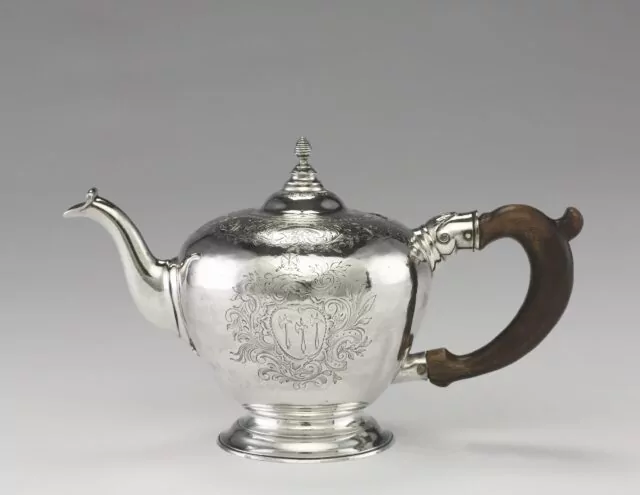
Photo credit: The Cleveland Museum of Art. Public Domain.
Independence Matters, Even Online
Free valuations often come from parties with a vested interest in the outcome. For example:
- A dealer may value your artwork at $1,000 and offer to buy it, only to sell it for $5,000 later, as that is their business.
- An auction house may provide a free estimate to encourage you to consign, but skewed low to encourage buyers.
- A generic AI-generated appraisal may lack the nuance to understand why your piece is different.
A paid online valuation is typically offered by an independent professional. They are not buying your item. They are not trying to win your business elsewhere. They are being paid only to give you a clear, fair, and well-researched answer.
With a paid online valuation, you’re paying for objectivity. However, with a free one, you may be paying in other ways.
Photo credit: The Cleveland Museum of Art. Public Domain.
Want an Unbiased, Professional Market Assessment?
Free opinions often come with hidden costs or conflicts of interest. Protect yourself with an independent, certified appraisal that offers clear legal protection, market accuracy, and complete peace of mind.
Get an Independent Valuation
Free Tools Don’t Understand Nuance
Upload a photo of a Georgian silver teapot to an instant appraiser, and it might tell you it’s worth $200, based on another “similar-looking” teapot that sold in 2009. It may not account for:
- The rare maker’s mark
- Superior workmanship
- Interesting provenance
- A recently strengthened market for Georgian silver
Art and antiques values are rarely uniform. Small distinctions, visible only to an expert, can mean the difference between something ordinary and something exceptional.
A professional online valuation:
- Compares your object to current, relevant market comparables
- Takes into account condition, rarity, attribution, and historical context
- Can increase your valuation based on provenance or market trends
Free tools can run comparisons. Paid experts however can interpret the data.

Photo credit: The Cleveland Museum of Art. Public Domain.
Online Doesn’t Mean Impersonal
Professional valuers offering paid online services often communicate directly with you:
- They ask follow-up questions
- Request better images if needed
- Take time to understand your needs (e.g., for sale, insurance, tax)
This kind of bespoke attention is missing from free or AI-generated services.
Many users of online valuation platforms are surprised by how personal and thorough the process actually is.
Photo credit: The Cleveland Museum of Art. Public Domain.
You Get the Right Valuation for the Right Purpose
One of the biggest problems with free online valuations is that they rarely specify the context. Is the value:
- A trade price?
- A private sale estimate?
- An auction hammer price?
- A replacement value for insurance?
Each of these can vary widely.
A paid valuation report defines the purpose clearly:
- Insurance Value: What it would cost to replace the item with a similar one today, often at retail prices.
- Fair Market Value (FMV): What a willing buyer and seller would agree on in an open market.
- Resale Value: What you could expect to receive, net of commission, from a dealer or auction.
The wrong kind of value can lead to under-insuring, overpricing, or disputes during probate.
A paid online valuation tells you not just what it’s worth, but why and to whom.
Photo credit: The Cleveland Museum of Art. Public Domain.
You Receive Formal Documentation
Most free valuations are verbal or a quick email estimate. You’ll get a rough figure, and that’s where it ends. These are of no use:
- In an insurance claim
- In a probate court
- For tax purposes
- As a reference for sale or negotiation
In contrast, a paid online valuation usually includes a PDF report with:
- Full item description
- High-resolution images
- Market context
- Source references
- Defined value type and date
This is a document you can share with solicitors, insurers, auction houses, and collectors.
Photo credit: The Cleveland Museum of Art. Public Domain.
A Small Fee Protects You from Costly Mistakes
Paying for a professional online valuation might feel like a cost, but compare that to:
- Selling a painting for €300 that turns out to be worth €8,000
- Underinsuring a sculpture and receiving only a fraction of its value after a loss
- Paying for restoration that reduces an object’s market value
A modest investment in a qualified online valuation helps you avoid expensive, irreversible errors.
In the long run, the cost of not getting a proper valuation is almost always higher.
Photo credit: The Cleveland Museum of Art. Public Domain.
You Can Use the Report Strategically
A proper online valuation arms you with the knowledge to:
- Negotiate confidently with dealers
- Set reserve prices at auction
- Discuss your collection with insurers
- Plan estates or gifts
- Catalogue family heirlooms for future generations
It gives you control, especially when you’re managing inherited items and don’t know where to begin.
You don’t need to be an expert to act like one, you just need the right support.
Photo credit: The Cleveland Museum of Art. Public Domain.
Speed, Convenience, and Security
The appeal of free online valuations is speed and accessibility, but paid online services can be just as fast and far more secure:
- Response within 24 to 48 hours.
- Discreet handling of personal collections
- No AI data mining or resale of your images
- Clear terms and confidentiality agreements
- When paying for a service one can expect good customer relations
Many valuers offer express turnaround, bulk rates, or follow-up questions included, making the service even more accessible and transparent.
Photo credit: The Cleveland Museum of Art. Public Domain.
Convenience Without Compromise
In a digital world, online valuations are here to stay, but not all are created equal. A paid online valuation combines the convenience of technology with the professionalism of a traditional appraisal. It offers:
- Accuracy
- Accountability
- Clarity
- Strategic value
Meanwhile, a free valuation, no matter how polished, often lacks transparency, impartiality, and utility. It might help you start a conversation, but it won’t help you make an informed decision.
In summary:
| Feature | Free Online Valuation | Paid Online Valuation |
| Independent & impartial | Rare | Yes |
| Type of value clarified | No | Yes (FMV, Insurance, etc.) |
| Detailed documentation | No | Yes (PDF report) |
| Reseached with expertise | Limited | Yes, by qualified professionals |
| Legally or financially usuable | No | Yes |
| Follow up and support | Rare | Yes |
Don’t just guess. Know.
A professionally prepared online valuation is one of the most cost-effective ways to protect and leverage your art, antiques or collectibles. You’re not just paying for a number, you’re investing in accuracy, confidence, and peace of mind.
Photo credit: The Cleveland Museum of Art. Public Domain.
Here at iValuations you’ll find experts in over 50 categories of art, antiques and collectibles that are waiting to give impartial professional, affordable and in-depth valuation reports in a timeous and easy to use manner.
Recommended Resources
The standard of acceptance: Will Insurance Companies Accept Online Valuations?
Transparency in methodology: How an Online Valuation is Done: A Step-by-Step Guide
Defining the result: What is Your Collectable Worth? Fair Market vs. Insurance Value
The Expert Guide: iValuations’ Guide to Professional Appraisals for Art and Antiques
Clarifying the service: Valuation, Evaluation, or Appraisal—Which do you need?
Ready to Secure an Authoritative Appraisal?
To ensure our specialists can deliver a fully certified, market-tested valuation, please prepare:
- ✓ Physical Evidence: Sharp, well-lit photos of the item in entirety, and showing any hallmarks, signatures, or stamps.
- ✓ Structural Dimensions & Condition: Precise measurements and objective notes regarding wear or known past restorative work.
- ✓ Any Accompanying Documentation: Old purchase receipts, previous inventory labels, or inherited family context to help our specialists trace line of origin.
100% Secure Checkout. All appraisals are conducted by independent, certified specialists.
