
How an Online Valuation is Done: Step by Step from Inspection to Report
Valuation has always been a cornerstone of the art, antiques, jewelry, and collectibles world. Traditionally, it meant taking an object to an expert, letting them examine it in person, and receiving a written opinion of value. In recent years, however, online valuation has become a fast, convenient, and widely accepted alternative. Collectors, sellers, insurers, and even executors of estates now rely on digital platforms to obtain professional valuations without ever leaving home.
But how exactly does an online valuation work? Many clients are surprised by the rigor that goes into the process, even when it’s conducted remotely. Behind every report is a methodical series of steps, blending expert knowledge with careful research, comparison, and interpretation of market evidence.
In this article, we’ll walk through the process of an online valuation from start to finish – from the initial submission of photographs and details, through expert analysis, to the final report you receive. By the end, you’ll understand not just how the process works, but also why it can be every bit as credible as a traditional face-to-face valuation.
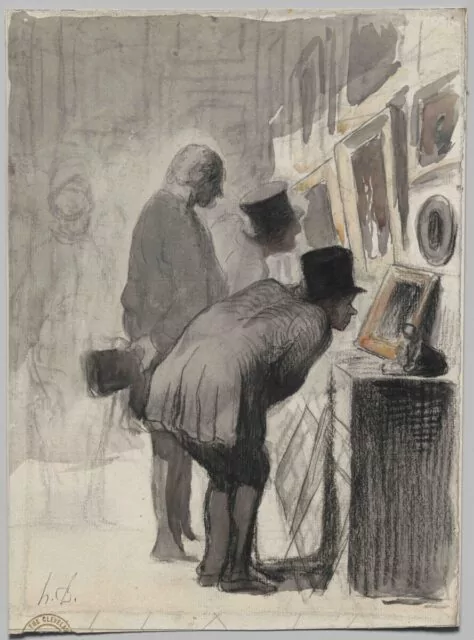
Photo credit: The Cleveland Museum of Art.
Step 1: The Initial Request
Every valuation begins with the client. Typically, this means filling out an online form, uploading photographs, and providing as much background information as possible about the object.
The details a client supplies at this stage form the foundation of the valuation. They usually include:
- Photographs: Clear, high-resolution images from different angles. For art, this may include the front, back, signature, frame, and any labels. For watches or jewelry, both front and back, close-ups of marks or hallmarks, and images of the clasp or movement if possible. For furniture, shots of the whole piece plus details like joints, construction, or maker’s marks.
- Measurements: Exact dimensions are crucial. A vase that is 7 inches tall may have a very different value from one that is 11 inches.
- Condition notes: Chips, cracks, repairs, or replaced parts can significantly affect value.
- Provenance: Any ownership history, receipts, certificates, or anecdotes that might support authenticity or significance.
- Purpose of valuation: Whether for insurance, resale, estate division, or probate. This determines the type of value applied. iValuations normally provides two – a fair market value and an insurance value, but this can be tailored according to the client’s needs.
A good online valuer encourages clients to provide as much as possible, since small details often make a big difference.
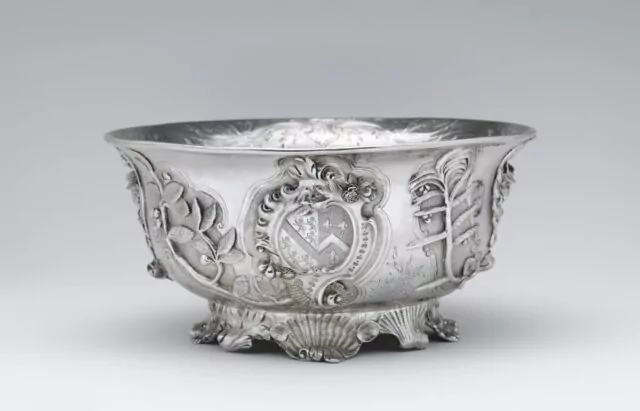
Photo credit: The Metropolitan Museum of Art.
Step 2: The First Look – Triage and Feasibility
Once the submission arrives, the relevant expert valuer undertakes a preliminary review. This is a quick but essential step to confirm:
- That the object is suitable for online valuation: Certain items may require physical inspection (for example, high-value antiquities, or works of art suspected to be of major significance). If the photographs and information are insufficient, the client may be asked for more detail or referred to a specialist.
- That the purpose of valuation is clear: A probate valuation, for instance, applies different principles than an insurance replacement valuation.
- That no immediate concerns exist: If the object is likely a reproduction, fake, or mass-produced item with minimal secondary market value, the valuer will often advise the client before proceeding further.
This stage ensures that time is not wasted on unsuitable cases and helps set expectations.

Photo credit: The Cleveland Museum of Art.
Step 3: Visual Inspection of Photographs
Contrary to what many believe, a trained eye can learn an enormous amount from photographs. Professional valuers know what to look for and can often identify subtle details a layperson may not notice.
During this step, the valuer carefully studies:
- Style and form: Does the design correspond to a particular era or school?
- Materials: Can the surface, texture, or color suggest bronze, brass, silver, oil on canvas, acrylic on board, or something else?
- Technique: Brushwork in a painting, carving in wood, or enameling on jewelry may reveal both quality and authenticity.
- Marks and signatures: Artist signatures, hallmarks, foundry stamps, or watch reference numbers are key identifiers.
- Wear and condition: Signs of age, repairs, or restorations are scrutinized.
- Comparative details: Unique features that may distinguish an item from others of its type.
Although an online inspection lacks the tactile element of handling, with good photographs a valuer can arrive at a strong result, or basis for further research.
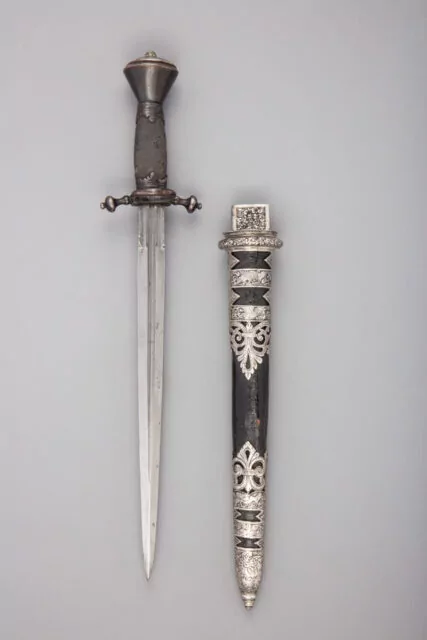
Photo credit: The Metropolitan Museum of Art.
Step 4: Research and Authentication
With an initial visual understanding in place, the valuer moves on to research. This stage is often the most time-intensive and is where expertise truly comes into play.
Key tasks include:
- Confirming attribution: Is the artist, maker, or brand genuine? This may involve cross-referencing signatures with databases, hallmark guides, or catalogues raisonnés.
- Checking provenance: If the client has provided ownership history, the valuer evaluates its credibility and whether it adds to market value.
- Establishing comparables: Searching auction records, dealer sales, and price databases for similar items that have sold recently. This provides market evidence.
- Assessing rarity and demand: Even within a known category, rarity plays a huge role. For example, an Omega Speedmaster from the 1960s has a different value depending on the case reference, dial type, and production numbers.
- Monitoring market trends: Demand can rise and fall. For instance, mid-century furniture has surged in popularity in recent years, while certain Victorian furniture styles have declined.
At this stage, the valuer builds a body of evidence that supports the eventual opinion of value.
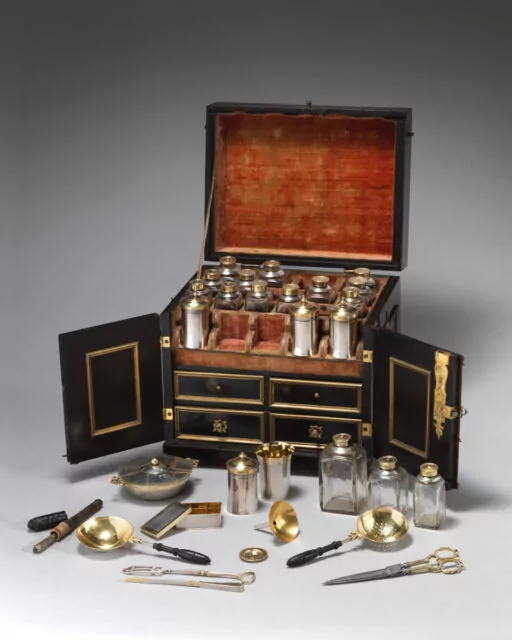
Photo credit: The Metropolitan Museum of Art.
Ready to Turn Your Photos Into a Certified Valuation?
Now that you see how simple our remote process is, take the first step today. Put your items in front of independent, certified specialists and receive your official appraisal within 24/48 hours.
Start ValuationStep 5: Determining the Type of Value
Not all values are the same. A crucial step in the process is selecting the correct valuation standard based on the client’s needs. The same painting, for example, might have a:
- Fair Market Value (FMV): The price it would likely achieve in an open market sale between a willing buyer and seller.
- Insurance Replacement Value (IV): The cost to replace the item with a similar one at retail, normally higher than a FMV.
- Probate or Estate Value: Often lower, reflecting what the item would reasonably sell for in a secondary market context.
- Liquidation Value: A forced-sale figure, typically the lowest.
Applying the wrong type of value can mislead the client, so clarity here is essential.
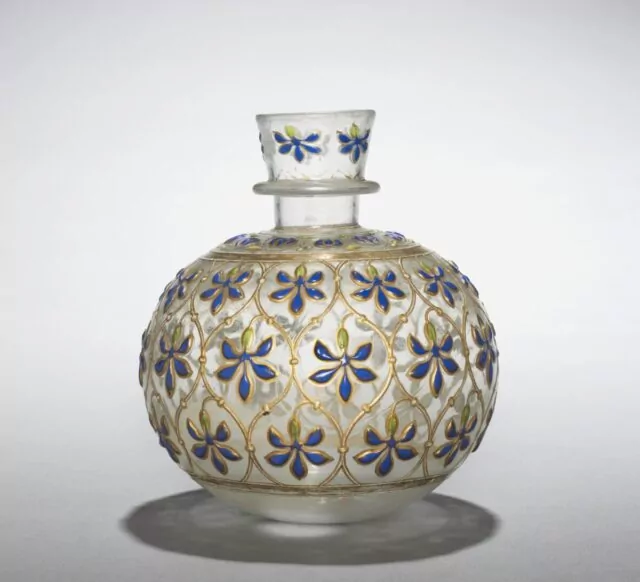
(1526-1756), Early 18th Century.
Photo credit: The Cleveland Museum of Art.
Step 6: Forming the Opinion of Value
After inspection and research, the valuer weighs all evidence to form a professional opinion. This involves:
- Balancing comparables: No two items are exactly alike. The valuer interprets how differences in condition, size, rarity, or provenance affect the final figure.
- Accounting for the current market: If demand is rising or falling, the valuer adjusts accordingly.
- Ensuring consistency: A valuation must be defensible, and grounded in reality – meaning another professional, given the same evidence, would broadly agree.
This stage is as much art as science. While rooted in data, it requires judgment, experience, and intuition.
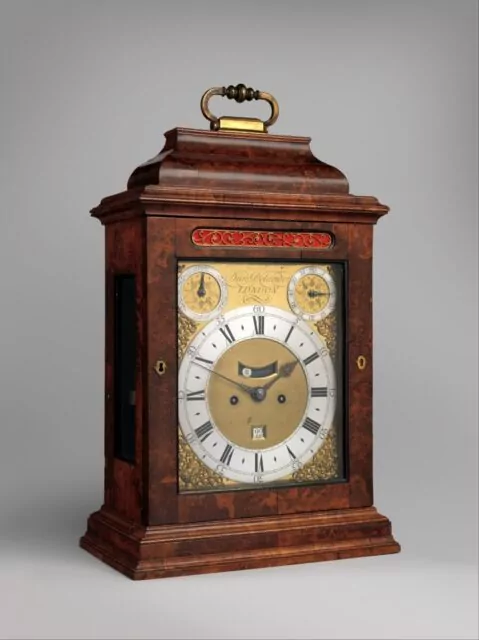
Photo credit: The Metropolitan Museum of Art.
Step 7: Drafting the Valuation Report
The final product of the process is a written report. A professional online valuation is far more than just a number. It should be a structured document that includes:
- Description of the item: including materials, dimensions, maker, period, and condition.
- Photographs: to ensure clarity, confirm what was assessed and ease of reference.
- Type of value applied: with an explanation of why it was chosen.
- Research notes: where necessary, outlining key comparables, market evidence, attribution reasoning, or history.
- Valuer’s opinion of value: expressed as a precise figure, or sometimes a range.
- Limitations: acknowledging that the valuation is based on photographs and client-provided information, not physical inspection.
A well-written report provides transparency and can be used confidently for insurance, sale, or estate purposes.

Step 8: Delivery and Client Support
Once complete, the report is delivered digitally to the client. But the process doesn’t necessarily end there. iValuations often provides additional support, such as:
- Answering follow-up questions: to clarify methodology or figures.
- Guidance on next steps: whether selling, insuring, or conserving the item.
- Referral to specialists: if the item requires deeper expertise or authentication.
This service element helps provide a broader overlook of the item so that the client can be be confident in their decisions.
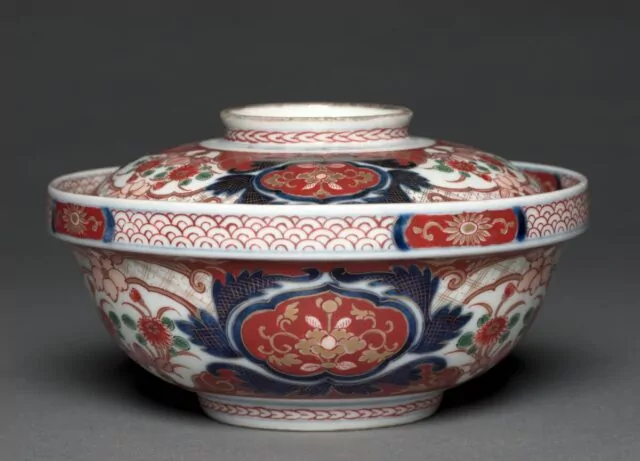
Photo credit: The Cleveland Museum of Art.
Why Online Valuations Work
Skeptics sometimes ask whether an online valuation can be as reliable as an in-person one. The truth is that, for many objects, it can be. With today’s high-resolution digital photography and access to comprehensive online databases, much of the work of valuation can be conducted remotely.
Together with experts that have decades of experience in their chosen field, examining objects both in-person and online, these types of valuations provide clients with a reliable, well-researched opinion of value that can be used with confidence for insurance, sale, or estate purposes.
Online valuations are particularly effective for:
- Watches and clocks, jewelry, and silver with clear hallmarks, maker’s names, supporting documentation or model references.
- Paintings, prints, and drawings where signatures, styles, and auction comparables are identifiable.
- Collectibles such as coins, furniture, or memorabilia, where cataloguing systems are well established.
However, limitations do exist. Certain high-value items, especially gemstones, antiquities, condition-sensitive works, or suspected old masters, often require physical examination. A reputable valuer will always be upfront about these boundaries.
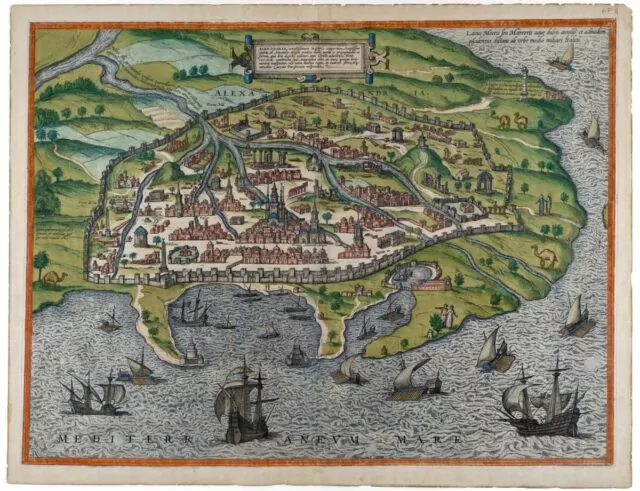
Photo credit: The Metropolitan Museum of Art.
The Ethics of Online Valuation
Finally, it’s worth emphasizing the ethical framework that underpins professional valuation. Whether online or in person, valuers are expected to uphold:
- Objectivity: Avoiding bias, personal interest, or undue influence.
- Transparency: Explaining how values are reached.
- Confidentiality: Respecting client information and privacy.
- Accuracy: Ensuring opinions are well-supported by evidence.
Clients should seek out valuers who demonstrate transparency in their process, objectivity in their judgment, and a clear ability, and willingness, to explain how their conclusions were reached.
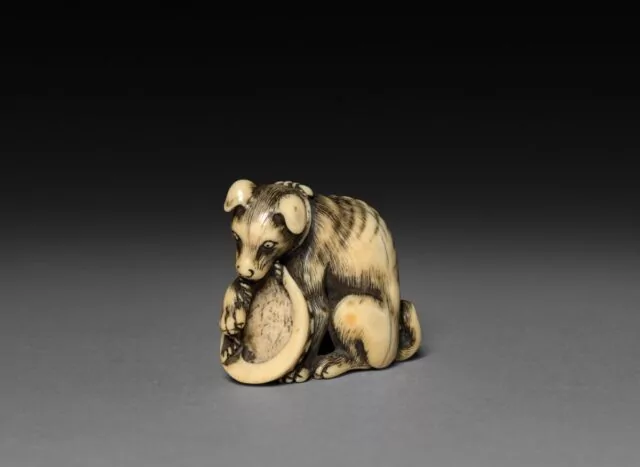
Photo credit: The Cleveland Museum of Art.
The process of online valuation is not casual guesswork or a quick glance at eBay. It is a careful, structured method that mirrors traditional valuation, adapted to the digital age. From the client’s initial submission of details, through expert inspection of photographs, to rigorous research, value determination, and reporting, each stage adds layers of reliability and authority.
By understanding the steps involved, clients can approach online valuation with confidence. They’ll know what to expect, how to prepare, and why the final report carries weight.
In an age where convenience and speed are essential, online valuation offers the best of both worlds: professional expertise delivered efficiently, without compromising on standards.
Here at iValuations you’ll find experts in over 50 categories of art, antiques and collectibles that are waiting to give impartial professional, affordable and in-depth valuation reports in a timeous and easy to use manner.
Recommended Resources
Insurance Standards: Will Insurance Companies Accept Online Valuations?
Professional Value: Why You Should Pay for a Professional Art, Antiques, or Collectables Valuation
Defining the Results: Understanding Fair Market vs. Insurance Replacement Value
Terminology Guide: Valuation, Evaluation, or Appraisal—Which Service Do You Need?
Expert Oversight: The iValuations Guide to Expert Valuation for Art and Antiques
Ready to Begin Step One?
Before clicking through to our secure portal, ensure you have these items ready:
- ✓ Clear, Unedited Photographs: Close-up shots of the front, reverse side, and macro images of any visible maker stamps, signatures, or hallmarks.
- ✓ Basic Physical Metrics: Approximate dimensions (height, width, or weight) and a brief mental note on the item’s current condition or known structural damage.
- ✓ Known Background Context: Any existing details regarding family history, receipts, previous purchase context, or older documentation that might assist our experts.
100% Secure Checkout. All appraisals are conducted by independent, certified specialists.
