
Understanding Provenance: How an Item’s History and Ownership Can Impact Its Value
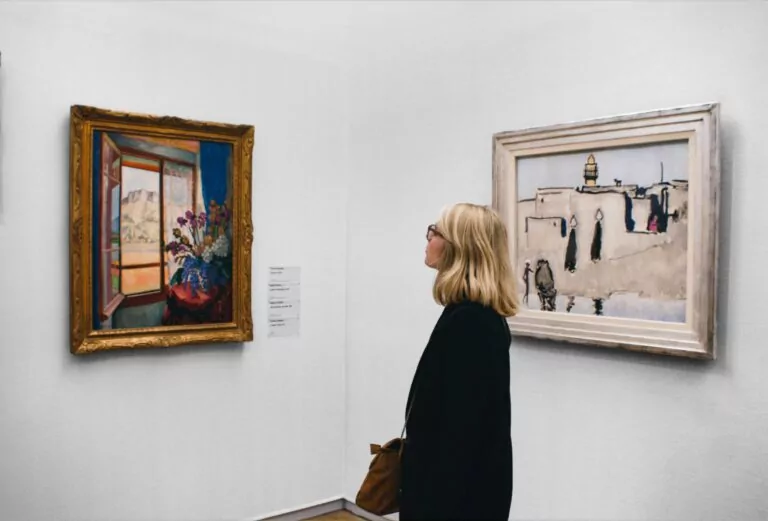
When assessing the value of art, antiques, or collectibles, it’s easy to focus on the object itself, its appearance, materials, condition, and maker. But one of the most powerful drivers of value lies not in the item’s physical traits, but in its story. This is the essence of provenance: the documented history of ownership and origin that follows an object through time.
At iValuations, we often see how a well-documented provenance can elevate the worth of an item significantly. Whether you’re selling, insuring, or simply trying to understand what you own, understanding provenance is key.
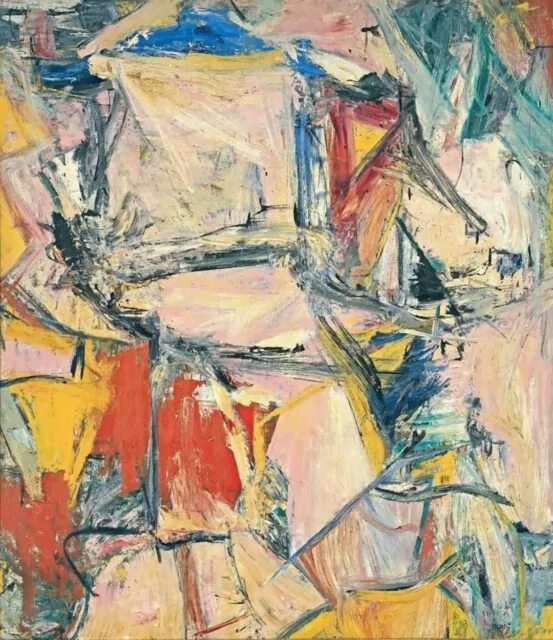
The painting’s ownership history includes prominent figures such as architect Edgar Kaufmann Jr., Japanese art dealer Shigeki Kameyama, and media mogul David Geffen. This distinguished lineage contributed to its monumental appreciation in value.
Photo credit: SlayerX7 Usage: Public Domain Mark 1.0
What Is Provenance?
Provenance refers to the chronological history of an item’s ownership. It can include details such as:
- Original purchase receipts
- Gallery or dealer records
- Auction house sales
- Exhibition history
- Mentions in catalogues or publications
- Private ownership, particularly by notable individuals
- Notable historical events
A strong provenance can help verify authenticity, establish legality of ownership, and deepen the narrative behind a piece.
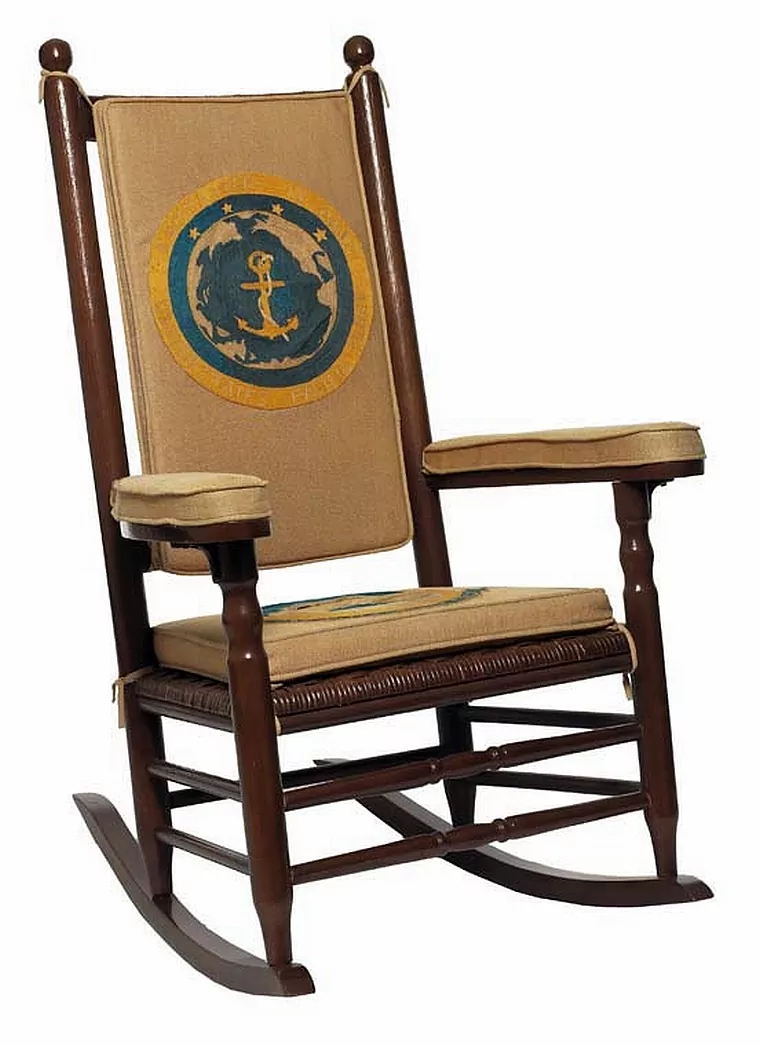
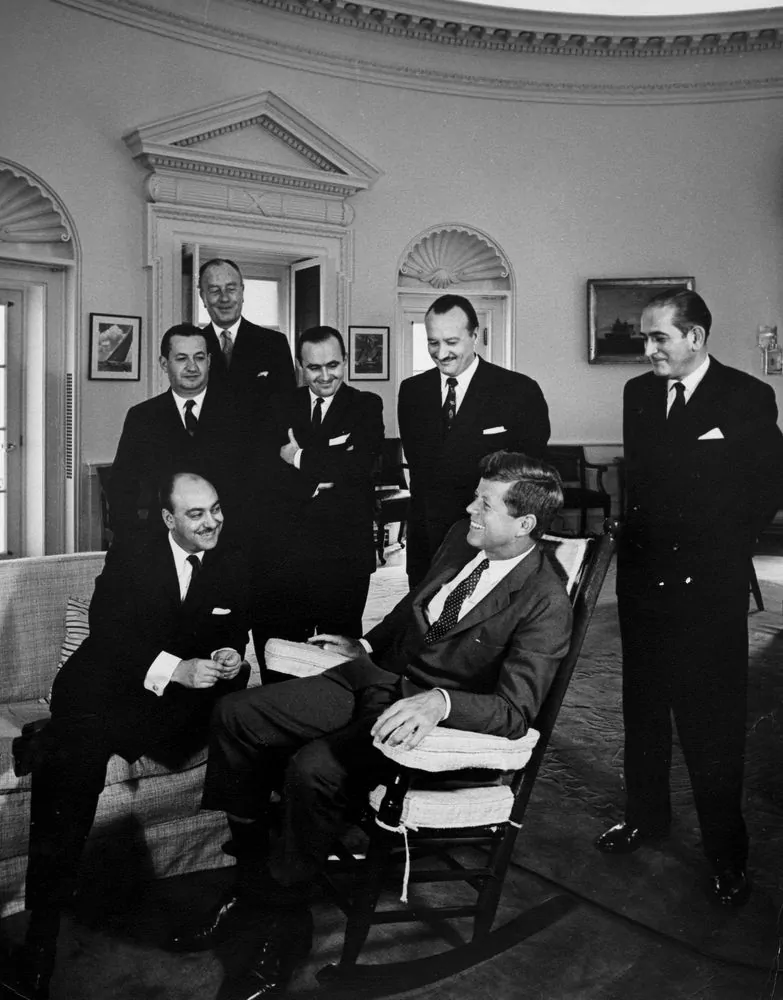
This simple oak rocking chair’s value soared because it was owned by Kennedy, exemplifying how association with a historical figure can elevate an item’s worth. Photo credit (left): Abbie Rowe. White House Photographs. John F. Kennedy Presidential Library and Museum, Boston. Public Domain.
Why Provenance Matters
1. Authenticity
Perhaps the most important reason for documenting provenance is to prove that an item is genuine. In markets where forgeries and reproductions are not uncommon, such as high value fine art or antiquities, a solid paper trail may be the difference between a priceless work and a worthless imitation.
2. Market Value
Items with a well documented provenance often command higher prices. For example, a painting that once hung in a notable collector’s home or was part of a major exhibition may be worth far more than a similar work with an unknown past.
3. Cultural Significance
Provenance can tie an object to significant moments in history or cultural movements. A World War II medal awarded to a known soldier, or a piece of jewelry worn by a 20th-century celebrity, holds more interest, and therefore more value, than a comparable but anonymous item.
4. Legal and Ethical Considerations
In recent decades, provenance has become essential in verifying that an item has not been looted, stolen, or illicitly traded. Auction houses and museums now scrutinize provenance before accepting consignments or acquisitions to avoid legal disputes.
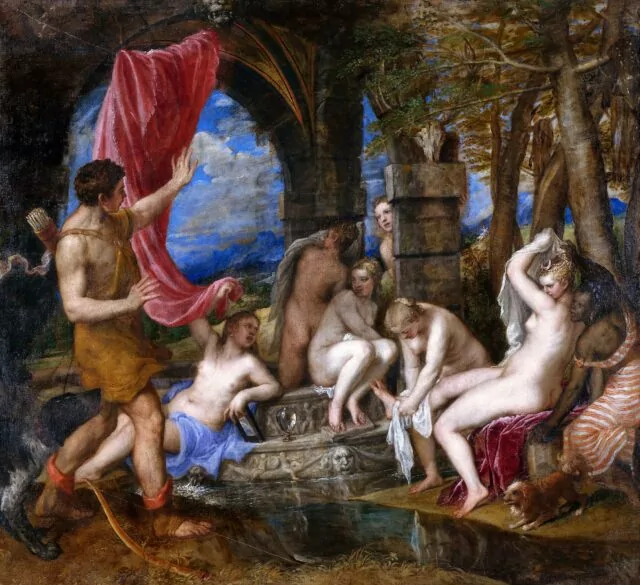
Does Your Item Have a Documented History?
An object’s story can be its most valuable asset. Let our independent specialists analyse your receipts, lineage, markings, and documentation to determine how its provenance impacts its real market value.
Start Valuation
How Provenance Is Established
Creating or verifying provenance involves detective work. This may include:
- Archival research
- Expert consultation
- Reviewing auction and dealer records
- Analyzing markings, labels, or inscriptions
- Tracing family or estate ownership
At iValuations, we frequently help clients assess provenance as part of our online appraisal service. Even partial provenance, such as a receipt from a known gallery or a family letter referencing a purchase, can provide valuable clues.
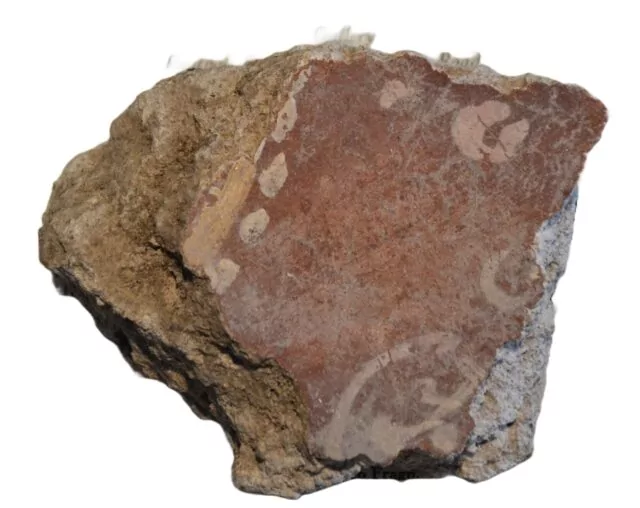
Photo credit: Carole Raddato. This image is licensed under the Creative Commons Attribution-Share Alike 2.0 Generic license.
Can Poor Provenance Hurt Value?
Yes. An item with questionable or undocumented provenance can be difficult to sell, insure, or even authenticate. Even if the object itself appears legitimate, a lack of supporting evidence introduces uncertainty, something that collectors and buyers usually avoid.
Tips for Collectors and Sellers
- Keep records: Store receipts, certificates, auction listings, and any correspondence tied to an item.
- Ask questions: When buying, inquire about the item’s history, and request documentation.
- Preserve context: Even handwritten notes, photographs, or oral histories can enhance an object’s story.
- Get professional help: Use a qualified valuation service to assess the item and guide you through the provenance process.
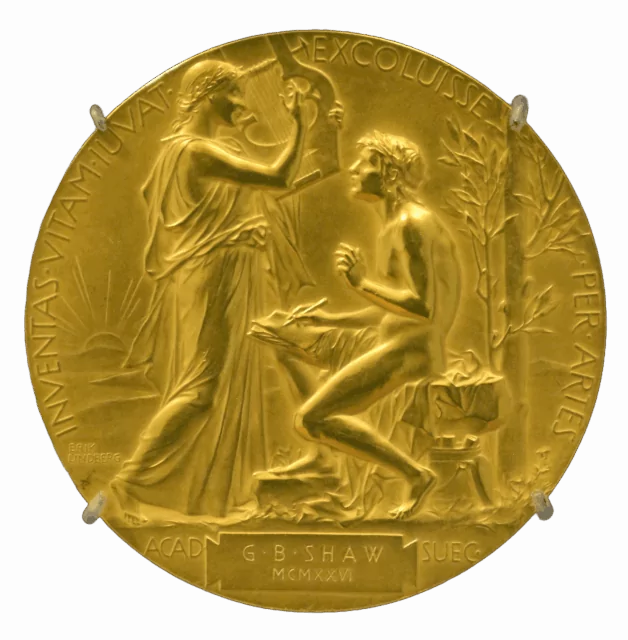
In the world of art and other collectibles, provenance is more than just paperwork, it’s part of an object’s soul. It connects the past to the present, enriches our understanding, and plays a vital role in determining value and authentication.
If you’re curious about the story behind something you own, or need help uncovering it, iValuations is here to help. Our team of valuation experts combines art history, market knowledge, and research experience to provide comprehensive assessments you can trust, in over 50 categories of art, antiques and collectibles.
Recommended Resources
The Path to Value: How Provenance and History Impact a Professional Appraisal
Documenting the Past: How an Online Valuation is Done: A Step-by-Step Guide
Insurance Implications: Will Insurance Companies Accept Online Valuations Based on Provenance?
Defining Market Worth: The Impact of Provenance on Fair Market vs. Insurance Value
Legal Standards: Why You Should Pay for a Professional Valuation for Items with Significant History
Ready for a Comprehensive Historical Valuation?
To help our experts trace and verify your object’s complete line of origin, please try to compile:
- ✓ Physical History Indicators: Sharp photos showing any old gallery stickers, inventory stamps, wax seals, or handwritten inscriptions hidden on bases, frames, or linings.
- ✓ Documentary Evidence Scans: Clear copies of old purchase receipts, auction invoices, inheritance records, or previous insurance appraisals that link the object to specific places or past owners.
- ✓ Contextual Narrative Notes: A brief breakdown of known family lore or context regarding how long the piece has been in your possession, which can often provides essential clues for academic cross-referencing.
100% Secure Checkout. All appraisals are conducted by independent, certified specialists.
