
Vintage Wristwatches: An Expert Guide
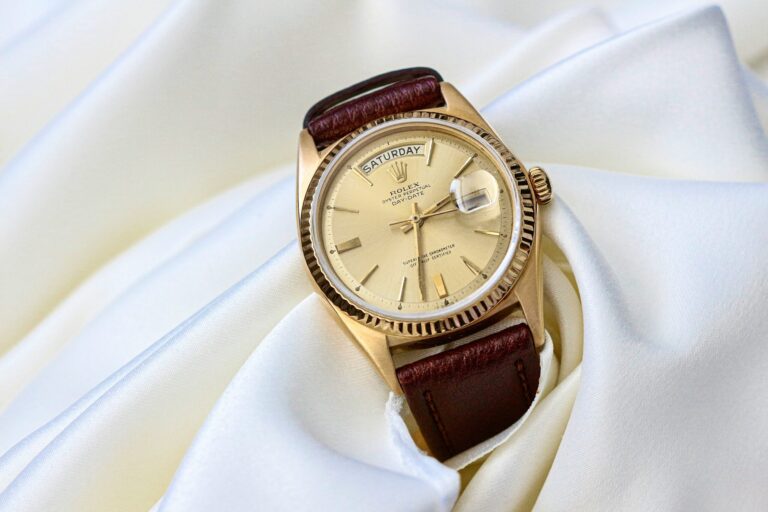
Whether it’s the character imbued by time, the journey of craftsmanship through the eras, or the thrill of the hunt, collecting vintage watches has become a passion for enthusiasts and investors alike. However, before you dive into this fascinating world, it’s important to understand what makes a watch vintage, what to look out for, and the challenges and rewards that come with building a collection.
What Qualifies a Vintage Watch?
In the watch world the term vintage is not used in the same way when it comes to collecting old cars or furniture. Generally speaking, a watch is considered vintage if it is at least 20 to 30 years old. Some collectors reserve the term for pre-quartz era pieces, typically those made before the 1980s, while others stretch the definition to include early digital watches or iconic mechanical models from the 1990s.
A vintage watch isn’t just an old watch, it’s one that reflects the aesthetics, engineering, and values of a particular era. From the hand-wound dress watches of the 1940s to the rugged tool watches of the 1970s, vintage timepieces offer a snapshot of horological history.
The Collector’s Market
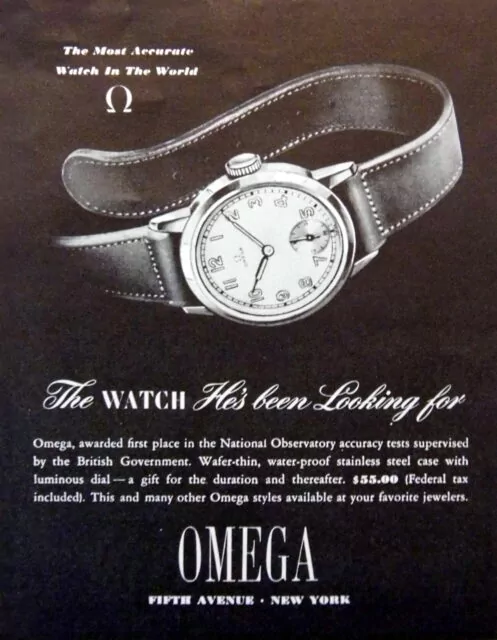
The vintage watch market has seen explosive growth in recent years. High-profile auction results for rare Rolex, Patek Philippe, and Omegas have drawn attention, but there is still plenty of opportunity for the more modest collector. With increasing awareness of sustainability, mechanical engineering, and slow fashion, vintage watches have gained new relevance.
Collectors are driven by a mix of nostalgia, mechanical appreciation, fashion, and investment potential. While the market can be speculative, well-chosen vintage watches, particularly those in original condition, have shown consistent appreciation over time.
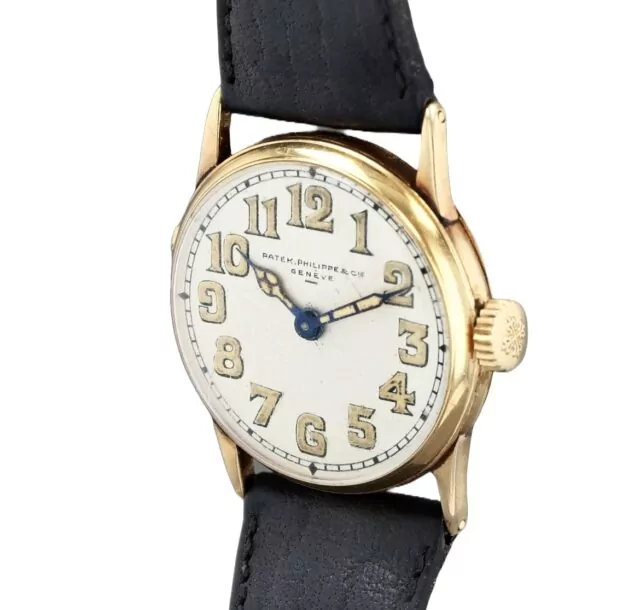
Photo credit: Solanaptosui. This image is licensed under the Creative Commons Attribution-Share Alike 4.0 International license.
What to Look For in a Vintage Watch
When evaluating a vintage wristwatch, focus on three key components: the dial, the case, and the movement:
- The Dial: This is the heart of a vintage watch’s aesthetic appeal. Collectors prize original, unaltered dials, even with patina or discolouration. A repainted dial, normally called a redial, may look clean, but it loses authenticity and significant value. Scrutinise fonts, logo and indices placement, and lume to detect originality. It is also important to differentiate the difference between patina, and what is just damage, though many collectors will have differing opinions on this. Some will only accept a pristine dial, while others love tropical dials. However, most will agree that any unevenness to the overall finish, splotches, loss of lacquer and fonts is unacceptable. Also check that the hands are original and correct to the watch as these often get swapped out. Tell tale signs are incorrect length, difference in colour to the indices, and incorrect style for the era.
- The Case: Polished cases are considered undesirable by collectors, who look for well-preserved cases with sharp edges and original lines. Over-polishing can dull these details, changing the original aesthetics, resulting in reduced value. Minor scratches from age appropriate wear are acceptable, even preferable, as they tell a story and attest to the watch’s originality adding to it’s uniqueness.
- The Movement: The engine of the watch. It should be clean, rust-free, and ideally professionally maintained, however a full service history is almost never known of any particular watch. A working movement is desirable, but beware of mismatched parts. Look for difference in colour between the metal parts, rust, scratches and damaged screw heads from hamfisted watch fiddlers of past. Always research the caliber that corresponds with a particular model and year.
Overall when considering a watch to buy approach it the following way: firstly satisfy yourself that the dial is good, then you can move onto the next stage, the appraisal of the case. Then finally consider the movement, which as strange as it might sound is the least important of the three. That is not to say that it is not important, because it is very much so. However, due to the nature of a movement a certain amount of repair and replacement is acceptable, and the corrects parts are normally available. With a damaged dial however, it cannot be repaired or replaced without destroying the originality of the watch. Train your eye so that eventually spotting something out of place becomes second nature.
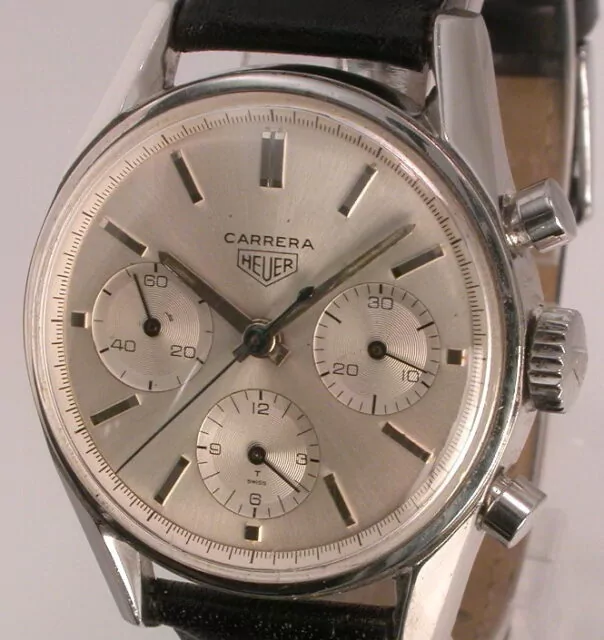
Photo credIt: by Jeff Stein.
Trying to Identify a Vintage Wristwatch?
Whether you have a rare Swiss chronograph, a classic vintage dress watch, or a military-issue timepiece, our specialists can determine its authenticity, calibre, and current market value. Get a certified online appraisal within 24/48 hours.
Identify & Value My Watch
Pitfalls to Avoid
Despite the joys of collecting, there are potential traps that can easily trip up beginners, and even seasoned collectors:
- Redials: Often done to “refresh” a watch, but usually executed poorly and not in line with original factory specs. Nothing else dramatically reduces the value of a vintage watch as a bad redial. Examine as many photographs as you can to learn what an original dial should look like on a particular watch. Some buyers are okay with wearing a redialed watch, however don’t pay good money for something that is touted as original when your research could have told you it is not. For example, pay particular attention to the ever popular black dials on vintage watches like Omega Seamaster and Constellations as most of these currently on the market are not original. And buy a good 10x loupe and examine in close detail as many watches as you can.
- Parts Availability: Some movements are no longer supported, and finding replacement parts may be difficult or costly. This is especially true for lesser-known brands or obscure calibers. If you are budget conscious, as most of us are, then it is better to concentrate on watches that are easy to service and parts are still available. Bear in mind that the less complications that a watch has will make it generally easier to repair or service, and thus less expensive to maintain.
- Repolished and Damaged Cases: A case that has lost its original lines or brushed finishes has likely been over-polished. This diminishes both the character and the value of the piece. Worn plating, bent lugs, deep scratches and pitting are also to be avoided. It is important to draw the distinction here between unpolished, polished and over-polished as there are very few watches on the market that haven’t seen some sort of polishing at some stage. Light professional repolishing is acceptable if it hasn’t altered the lines or originality of the case. Bad repolishing is not acceptable that has damaged or in same way altered the look of the watch. Knowing the difference takes time to learn but once you see it it will become glaringly obvious. Also be aware of things like missing bezels and integrated bracelets that have limited customisation, which can be easily overlooked by a novice collector.
- Crowns, Crystals and Hands: Over time these items often get changed or switched out. Crowns on vintage watches are often found to be incorrect, and generally, this isn’t too much of a problem and correct replacements can normally be found, depending on the watch of course. Similar can be said about the crystal. However, the incorrect hands can be more problematic. Not only are they a very important aesthetic of the watch, they can be difficult to source in the correct form. If contemplating a purchase it is well advised to be aware of these things relating to the particular watch.
- Buy the Seller: There is a saying in the watch collecting world, and that is buy the seller, not the watch! There is a lot going on with a watch, both seen and unseen. In its several decades of existence there is no certainly what events a particular watch has undergone. Dials and parts can get swapped resulting in a frankenwatch. This is where buying from someone that is reputable, can offer honest feedback on a watch that you are buying, not be evasive when you have questions, provide high quality photographs, and has an excellent documented reputation.
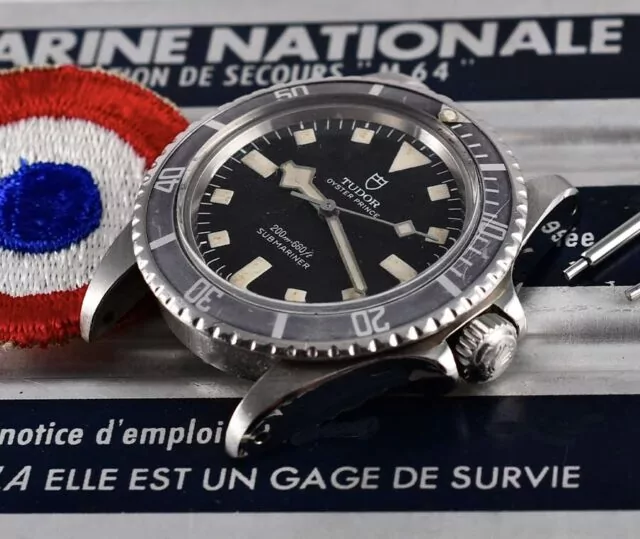
Photo credit: by Thierry Mostra-store. This image is licensed under the Creative Commons Attribution-Share Alike 4.0 International license.
- Impatience: Many collectors will sheepishly admit to paying the beginner’s tax, where in at the start of their collecting journey they rushed out and bought something without the requisite knowledge, resulting in paying more for a watch than experienced collectors would for the same piece. Sometimes the tax is high, other times it is not, but they’ll also admit it was a very important lesson. A huge part of the joy of collecting is in the hunt, and when hunting you want to bag the best quarry you can for your shot. Unless you have an immense amount of money, and want to overpay, it is very difficult to wake up one day and just go out and buy a vintage wristwatch that same day. Scan the lay of the land first, research, strategise and wait for the right thing to come up, and ultimately your patience will pay off.
- Pick your Quarry: It is easy to be overwhelmed by the shear volume of incredible watches that are out there for sale. This is where asking yourself what your long term goals are as a collector. Don’t just nab anything that comes by at a good price, you’ll soon run out of money, and maybe have a bunch of difficult watches to get rid of. Maybe you like dive watches, or maybe you prefer dress watches, then look at as many examples of them as you can. Know what looks good on your wrist and what suits your style. Everytime you put on a watch you should love it!
- Watchmakers: Get one! A mistake many novice collectors make is to buy a vintage watch and then just start wearing it, even though it has been sold as unserviced. Unseen damage could be occurring in the movement, that could become more and more expensive to repair as time goes on, and ultimately damage the originality of the watch. Oils dry up, jewels wear or crack, gaskets degrade, automatic rotor rub can spew fine metal shavings into the movement, creeping rust, and so on. Set aside a portion of your collecting budget and employ a good watchmaker who will make sure everything is running as it should, and you will have years of trouble free enjoyment of your watches, and ultimately protect your investment. They will also impart knowledge that will make you a better collector.
- Originality: This follows on from the above point, and that is when you send your watch in for service do not let the watchmaker replace anything like the dial or polish the case without your express permission. This normally doesn’t happen with independent watchmakers but if you use a big company like Omega they will often replace an entire movement rather than repairing what is there and in the process ruining the originality of the watch. If anything is replaced make sure you get the original part back, and that any work can be undone. An over-polished case can not be put back as it was, but replaced hands can be.
- Boxes and Papers: Don’t have a watch sold up to you just because it has papers and an apparent original box. While these are very nice, and even desirable, to have, they do not make a mediocre watch better. Concentrate on the watch first and if that passes muster, then if a box and papers are there it is a nice bonus. Also, old boxes can easily be purchased and paired with a watch so there is often no way of telling that they started out life together. Boxes, and other presentation material, evolved over time so it is worth knowing the differing styles so you can quickly spot whether a watch is matched correctly with the right thing.
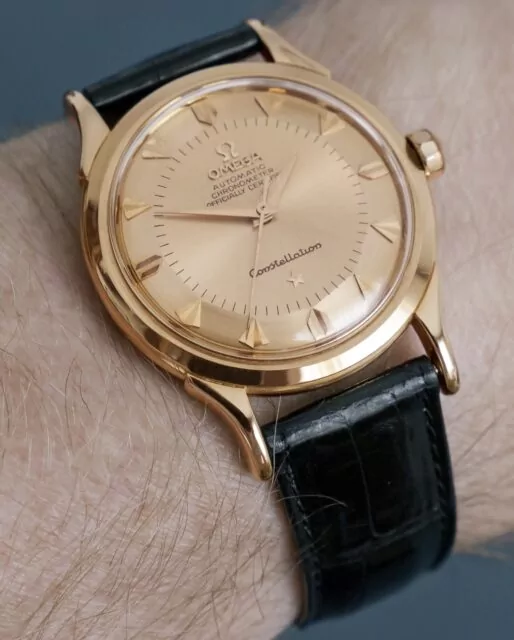
Photo credIt: by Noop1958. This image is licensed under the Creative Commons Attribution-Share Alike 3.0 Unported license.
Size Matters: Vintage vs. Modern
One of the first things newcomers notice is that vintage watches tend to be smaller than modern ones. While today’s men’s watches commonly range from 40 to 44mm in diameter, vintage pieces often sit between 34 and 37mm. Although smaller by modern standards, they offer a more elegant and subtle presence on the wrist, a look many collectors find charming and timeless.
In addition many manufactures released the same model with different sizes, for example certain Omega Seamasters were sold in 32mm, 34mm and 36mm case sizes. These can be difficult to spot if buying online as they look very similar at a glance in photographs so make sure you know the case diameter, and corresponding reference number, before making a purchase, which should be provided ex crown.
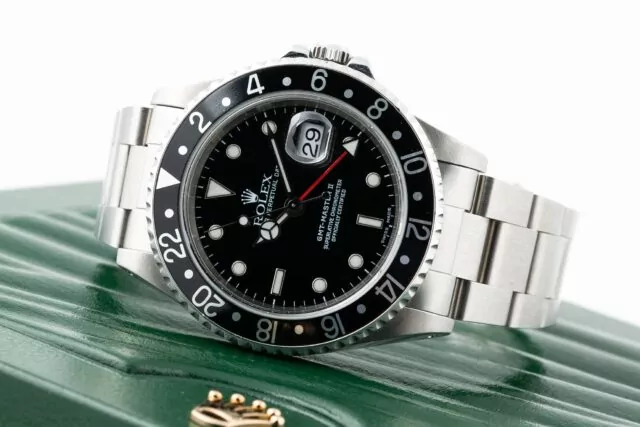
Photo credit: by Peter Wilson. This image is licensed under the Creative Commons Attribution-Share Alike 4.0 International license.
Water Resistance: Handle with Care
Modern watches often boast significant water resistance, thanks to advanced gaskets and construction. Vintage watches, by contrast, should be considered not waterproof, or even water-resistant, even if originally rated. Over time, seals deteriorate, cases warp slightly, and water resistance degrades. Wearing a vintage watch in the shower or rain, or worse, swimming, can result in catastrophic damage. Treat them as you would a classic car: admired, driven with care, and never taken out in a storm. Understand that vintage watches have limitations and should be treated accordingly.
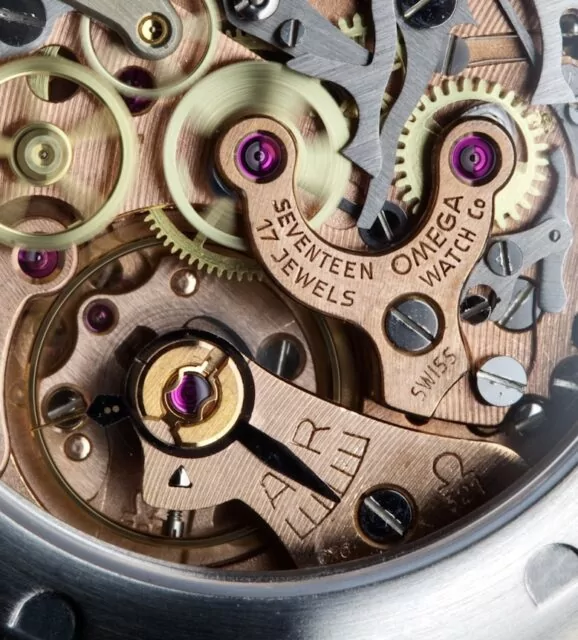
Photo credit: by Shane Lin. This image is licensed under the Creative Commons Attribution-Share Alike 2.0 Generic license.
Value and Appreciation
Most modern watches depreciate once sold at retail, especially mass-produced models. In contrast, vintage watches can hold or even gain value, particularly if they’re rare, in good condition, and all-original. A vintage Rolex Submariner or Omega Speedmaster might cost more now than when it was made, but even lesser-known brands can appreciate, especially as collectors look beyond the mainstream.
Importantly, value in vintage watches isn’t only monetary. These pieces tell stories, carry history, and offer a tactile connection to the past. They also offer variety and uniqueness that modern catalogs often lack.
Whether it’s grail watches, birth year watches, finding NOS (new old stock) items, discovering cool indie brands, learning about designers like Gérald Genta, obsessing over lume plots, and so on, collecting can have have different meaning to the individual above the monetary value.
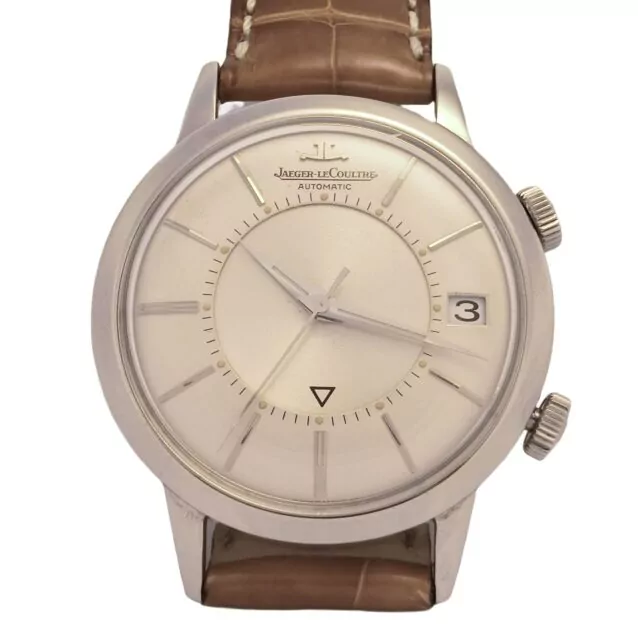
Photo credit: by Ghilt. This image is licensed under the Creative Commons Attribution-Share Alike 3.0 Unported license.
Join the Community
There are incredible watch collecting communities out there, like Omega Forums and Rolex Forums, that cover many different brands, who have members that have an amazing repository of knowledge who will gladly share their wisdom with you. Just don’t expect to be spoonfed information however. Do your own research first, know the etiquette, and ask questions that will benefit the community. In addition, you can use their search function in regards to a particular query you might have. Watches can also be found here for sale from trusted members at reasonable market related prices, and great buys can be found. The community is an essential part of the watch collecting experience. No where else will you find such a concentration of expert information distilled.
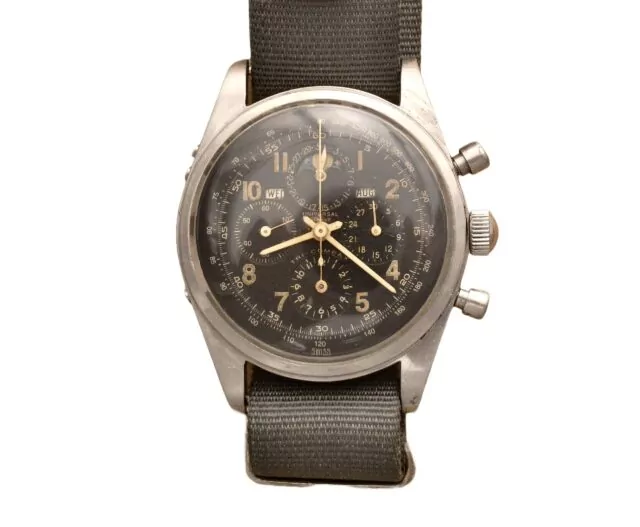
Photo credit: by Nakatajun
A Journey of Constant Evolvement
Collecting vintage wristwatches is as much about the journey as the destination. It requires patience, research, and a willingness to learn from mistakes. But for those willing to dive in, the rewards are immense: not just in the watches themselves, but in the stories they carry and the community they introduce you to.
Whether you’re drawn to a 1960s dive watch with battle scars like a Doxa SUB 300 Searambler, a minimalist 1950s dress piece like a Jaeger-LeCoultre, or a quirky 1970s chronograph like a Heuer, there’s a vintage watch out there for you, waiting to be rediscovered and appreciated all over again.
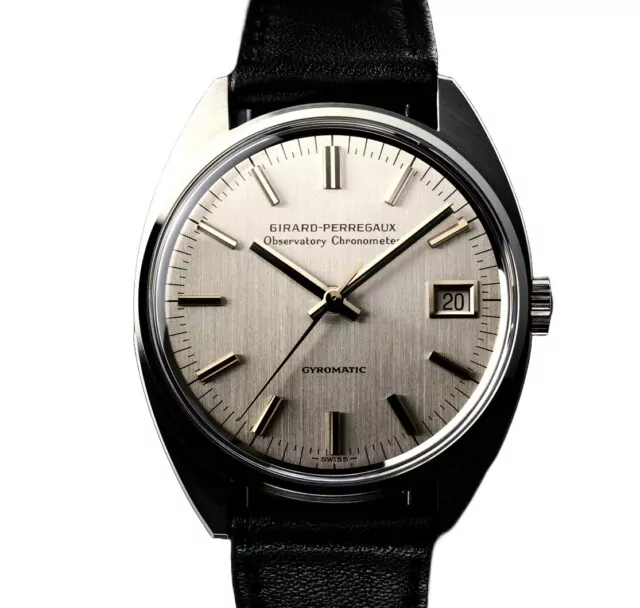
Photo credit: Pierre EmD This image is licensed under the Creative Commons Attribution 3.0 Unported license.
Here at iValuations you’ll find experts in over 50 categories of art, antiques and collectibles that are waiting to give impartial professional, affordable and in-depth appraisal reports in a timeous and easy to use manner.
If you have an old watch, and want to know more about it, we would love to have a look at it for you!
Recommended Resources
Technical Authentication: How We Inspect Movements and Calibres Online
Protecting Your Collection: How Often Should You Reappraise Your Watches?
Insurance Security: Ensuring Your Watch Valuation is Insurance Ready
Market Value: Understanding Selling Value vs. Retail Replacement
Provenance: How a Watchs’ History Can Impact its Final Appraisal
Ready to Value Your Vintage Watch?
To get the most accurate valuation, please try to include photos of:
- ✓ The Full Dial & Hands: A crisp, close-up, straight-on shot in clear lighting to evaluate dial originality, patina, printing text accuracy, and hand styles.
- ✓ The Inside Case Back: If safely possible, a photo of the inner side of the case back showing any brand markings, case material stamps (e.g., gold purity or stainless steel), and the critical case reference number.
- ✓ Movement: If safely possible, a sharp macro photo of the exposed movement to verify the factory finish, serial number, calibre and originality or condition.
- ✓ Crown, Buckle/Clasp & Profile: Side profile shots highlighting any branding on the winding crown, overall case thickness, and any original branded buckles or bracelets with corresponding marks and stamps.
100% Secure Checkout. All appraisals are conducted by independent, certified specialists.
