
Antique & Collectible Glass: An Expert Guide
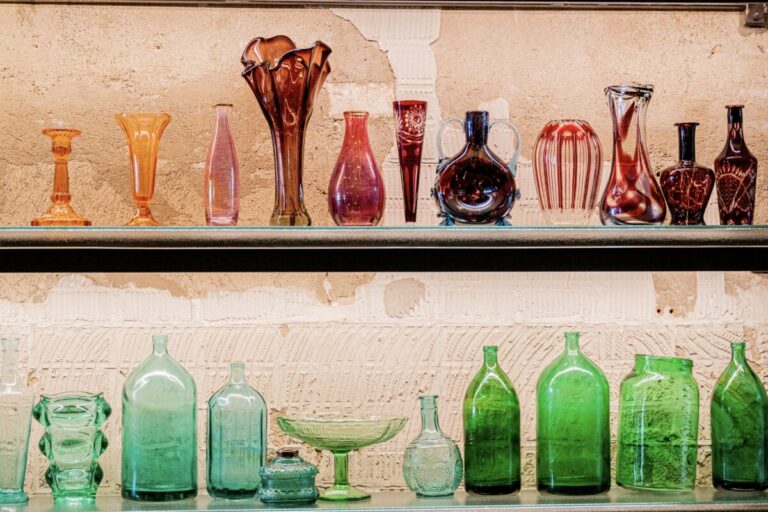
Imagine a world before glass, no window panes to shield one from the elements, no mirrors to sharply reflect ones face, no crystal flutes to raise in salute. Then visualise the moment humans first pulled molten sand from a furnace and realised they could shape sunlight itself. That moment changed not just daily life, but art, science, and trade forever.
Glass has been one of humanity’s most versatile and enchanting materials for thousands of years. From its mysterious origins in antiquity to its role as a marker of wealth and refinement in later centuries, and finally to its established presence as a collectible art form today. The story of glass is both technical and cultural. This guide introduces the origins of glassmaking, traces its innovations across the ages, highlights major producers, and provides practical advice for collectors who wish to understand, appraise, and care for antique and collectible glass.
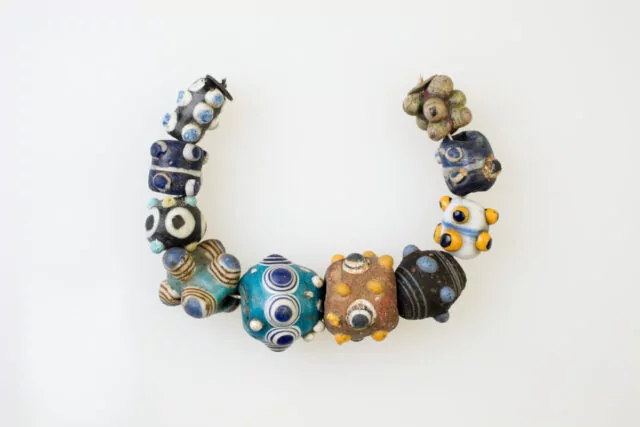
Photo credit: Metropolitan Museum of Art.
The Origins of Glass
While naturally occurring glass, especially volcanic obsidian, has been used widely by Stone Age societies for the production of sharp cutting tools and a commodity, the earliest actual evidence of glass manufacture dates back to around 3500 BCE in Mesopotamia and Egypt. Possibly as an accidental by-product of metalworking (slags) or during the production of faience, a pre-glass vitreous material made by a process similar to glazing. Initially, glass was used to create beads and later small vessels.
Glassblowing first emerged in the Syro-Palestinian region during the early 1st century BCE. After Rome annexed the area in 64 BCE, local skilled artisans and enslaved workers likely carried the technique into Italy. This innovation transformed Roman glassmaking, vastly expanding the variety of shapes and styles that could be created. Unlike the slower, more restrictive method of casting, glassblowing gave makers unprecedented speed and flexibility. The new process encouraged rapid stylistic development, with craftsmen experimenting freely and producing forms that had never been seen before.
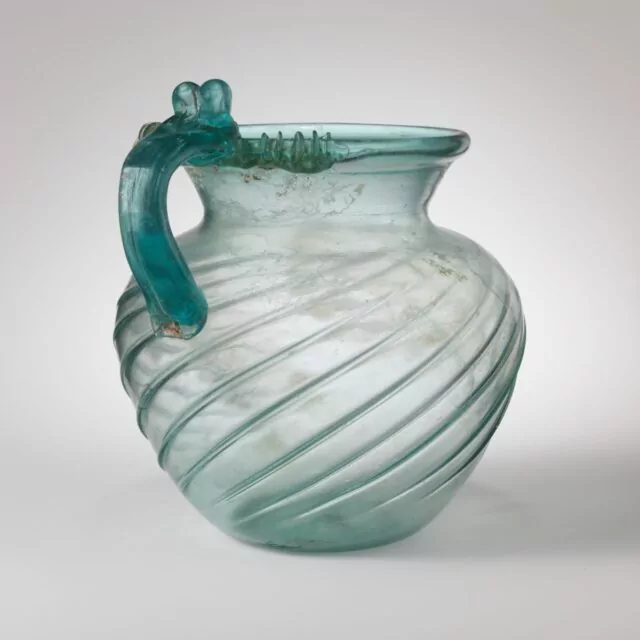
Photo credit: Metropolitan Museum of Art.
Technical Discoveries and Innovations
Over the centuries, glassmaking evolved through continual experimentation:
- Medieval Glass: During the Middle Ages, glassmaking centres in Venice pioneered clearer, more refined glass. By the 13th century, Murano had become synonymous with exquisite craftsmanship.
- Lead Crystal: In the late 17th century, George Ravenscroft in England developed lead (flint) glass. Adding lead oxide increased clarity and brilliance, producing what we now know as lead crystal.
- Industrial Advances: The 19th century brought pressed glass and mass production, making decorative glass more accessible to the middle classes. Simultaneously, luxury makers like Baccarat in France and Lalique in the early 20th century elevated glass into high art.
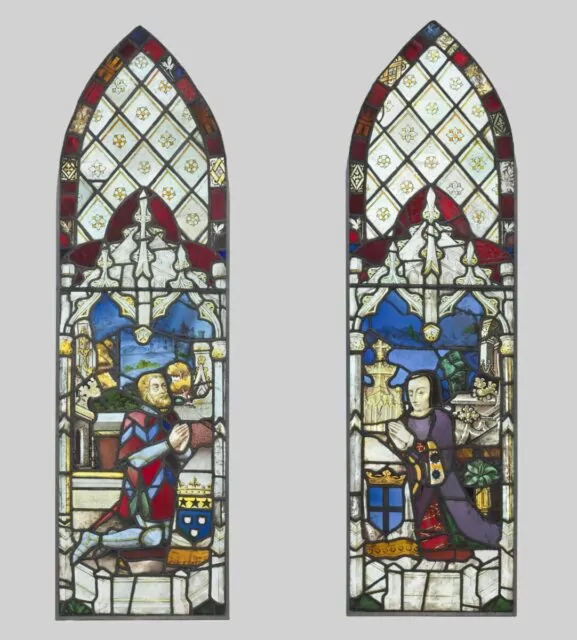
Photo credit: Cleveland Museum of Art.
Major Glass Producing Countries and Manufacturers
Throughout history, different nations rose to prominence in glassmaking:
- Italy: Murano glassmakers specialised in millefiori, latticino, and filigree techniques that remain prized today.
- France: Baccarat and Saint-Louis became leaders in cut crystal and decorative pieces. René Lalique transformed glass into Art Nouveau and Art Deco sculpture.
- Bohemia (Czech Republic): Bohemian glass is known for its richly coloured cut glass and gilt decoration, as well as its technological advancements such as flash casing and lithyalin, a specific type of opalescent glass.
- Britain & Ireland: From Whitefriars Glass, to the Stourbridge glasshouses to Waterford Crystal, English and Irish glass was considered among the finest in Europe.
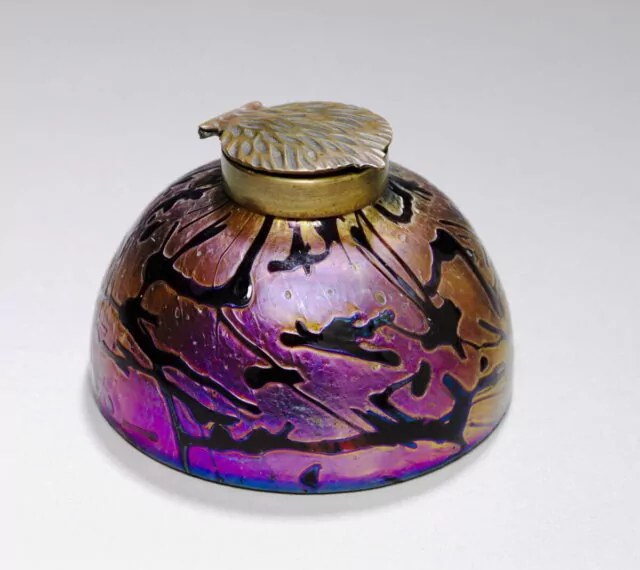
- United States: American Brilliant Cut Glass (1876-1917) showcased deep, sharp designs. Later, companies like Tiffany Studios pioneered iridescent Favrile glass.
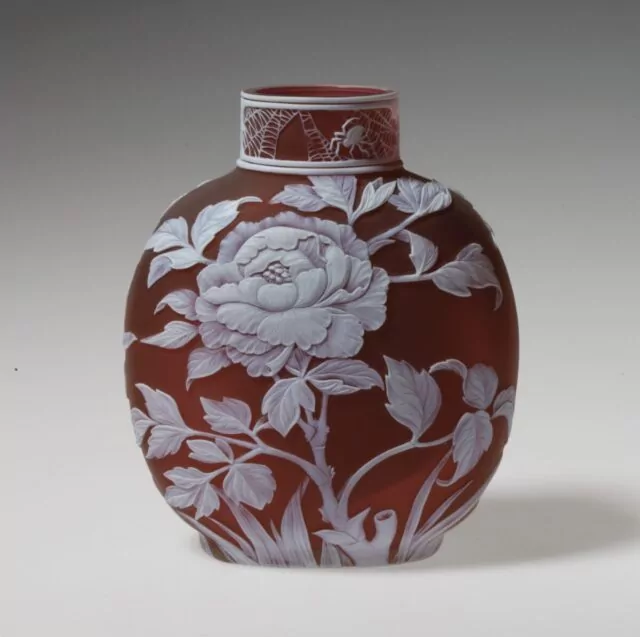
Photo credit: Metropolitan Museum of Art.
Trying to Identify an Antique or Art Glass Piece?
Whether you have an early blown three-mould piece, a signed Victorian cut-glass bowl, or a vibrant piece of mid-century art glass, our specialists can determine its maker, era, and market value. Get a certified online appraisal within 24/48 hours.
Identify & Value My Glass
The Current State of the Collectible Market
The antique glass market has naturally shifted in response to changing tastes. Heavy lead crystal, once a wedding gift staple, has declined in popularity among younger generations, who often prefer minimal or modernist styles. This reflects a broader trend in the antique market: formal wares such as silver services, china sets, and cut glass, once symbols of refinement, are now less desirable.
Conversely, bold and artistic pieces such as mid-century Murano, Lalique Art Deco sculpture, or Tiffany iridescent glass are in demand. Collectors value uniqueness, artistry, and statement making qualities over the more utilitarian grandeur of past centuries.
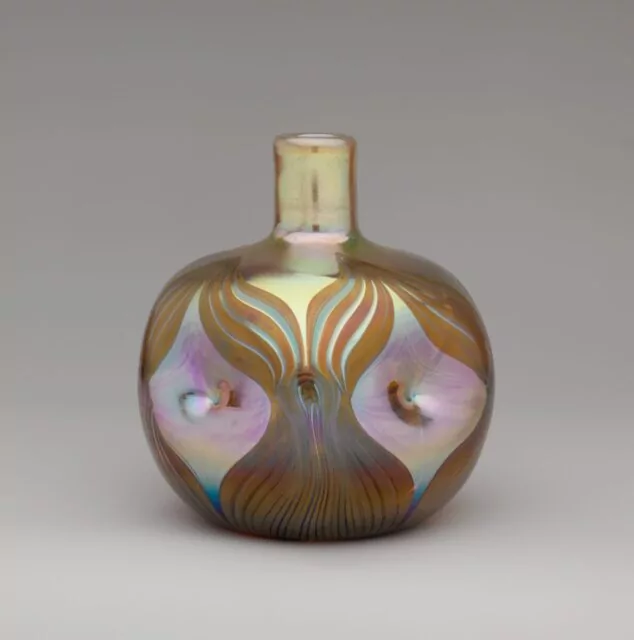
Photo credit: Metropolitan Museum of Art.
How to Collect Antique & Collectible Glass
What to Look For
- Maker’s Marks and Signatures: Some pieces are signed, particularly 20th century art glass (e.g., Lalique, Daum, Tiffany). Learn to recognise authentic signatures, as these are often faked.
- Pontil Marks: The rough scar left at the base of blown glass when it was detached from the pontil rod is a key indicator of age and authenticity. It is often polished out, which also leaves a unmistakable indicator.
- Wear and Patina: Genuine antiques show signs of use: slight scratches, softened edges, and a natural sheen from handling.
- Technical Knowledge – develop a solid understanding of the timeline of various techniques and how they fit into the history of glass.
- Design and Style: Matching, and understanding, the stylistic elements to known periods (e.g., Rococo, Art Deco, Mid-Century Modern) helps narrow down the age and origin.
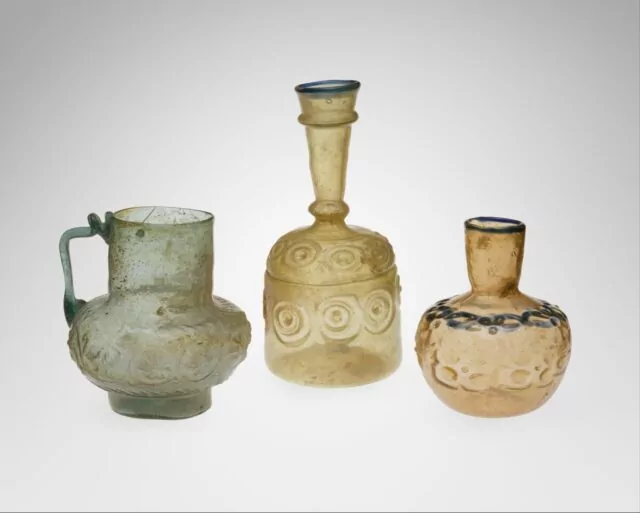
Photo credit: Metropolitan Museum of Art.
Examining a Piece
- Hold it to the light to assess clarity, bubbles, or inclusions.
- Compare the weight: lead crystal is noticeably heavier than soda-lime glass, for example. Handling multiple pieces develops a tactile understanding essential for collectors.
- Use a loupe to inspect edges for modern grinding or polishing that might indicate restoration.
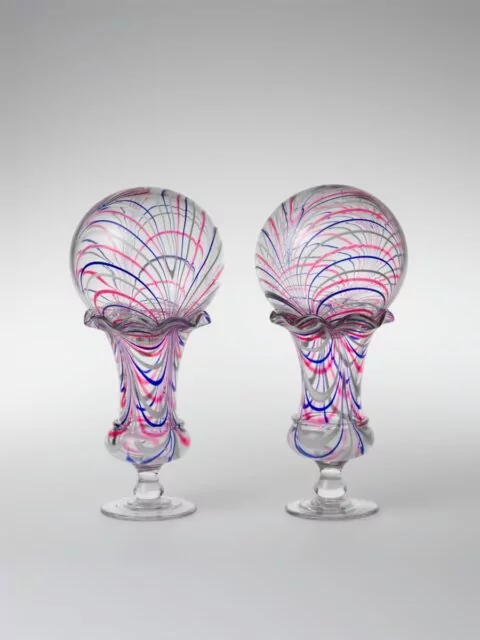
Photo credit: Metropolitan Museum of Art.
Red Flags
- Lack of patina or overly pristine condition in a supposedly old piece may signal a reproduction.
- Signatures and patterns that are inconsistent to known examples.
- Modern decorative glass may imitate antique patterns.
- Inconsistent manufactured wear, instead of the myriad of natural scratches that develop over time.
- Perfect uniform shapes or sharp, angular edges, which suggest a machine-made process rather than hand-blown glass.
- High-end art glass is expensive, if the price is too good to be true, then be suspicious.
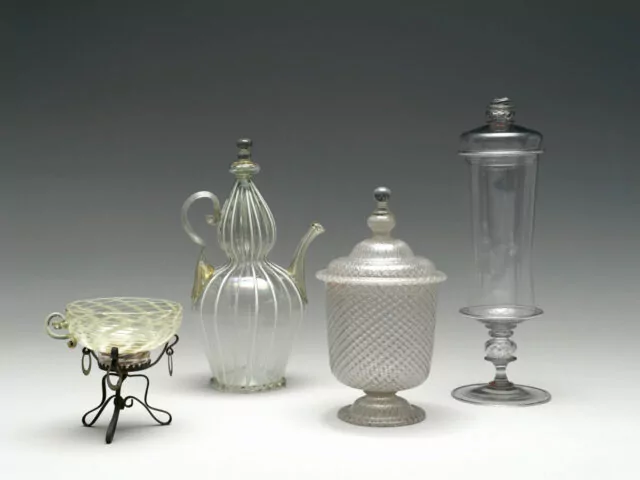
Photo credit: Metropolitan Museum of Art.
Caring for Antique Glass
Glass is brittle, and thus fragile, but can survive centuries with proper care:
- Cleaning: Wash by hand in lukewarm water in a plastic container with mild soap, and never clean more than one piece at a time as they can chip each other. Avoid dishwashers, abrasive cleaners and scouring pads, which can etch or cloud surfaces.
- Storage: Keep away from fluctuating temperatures and display away from direct sunlight, as UV rays may fade coloured glass, in an enclosed cabinet. A UV protective film can be added to the glass of display cases.
- Handling: Always lift vessels with a hand under the base at its heaviest point, not from the rim or any handles.
- Glass Disease: Be aware that glass can suffer from chemical instability, leading to deterioration such as cloudiness, flaking, or cracking. Once begun it is irreversible, but the decaying process can be slowed by climate control to regulate surrounding temperature, humidity, and air flow.
For pieces with gilding or enamelling, extra caution is needed so avoid abrasive cleaning or prolonged soaking.
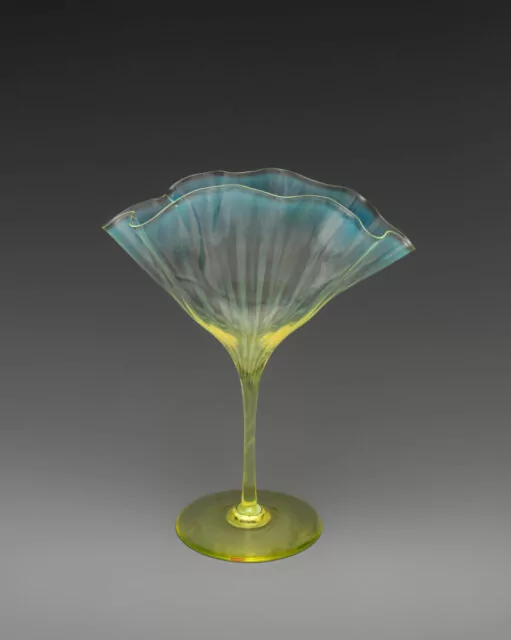
Photo credit: Metropolitan Museum of Art.
What Makes Some Glass More Collectible than Others?
Several factors affect collectibility and value:
- Maker Prestige: Works by Lalique, Tiffany, or Loetz are highly prized.
- Artistic Innovation: Unique techniques, such as iridescence, cameo carving, or millefiori.
- Rarity: Limited production runs or unusual patterns.
- Condition: Chips, cracks, or repairs drastically reduce value.
- Fashion: As noted, today’s buyers lean toward decorative art glass over utilitarian cut crystal.
- Provenance: documented history, such as ownership by a famous person or connection to an infamous event, can considerably increase an items value.
- Production Quirks: unusual formations, printing errors or unique unexpected characteristics from the glassmaking process can make a piece more rare and desirable to collectors.
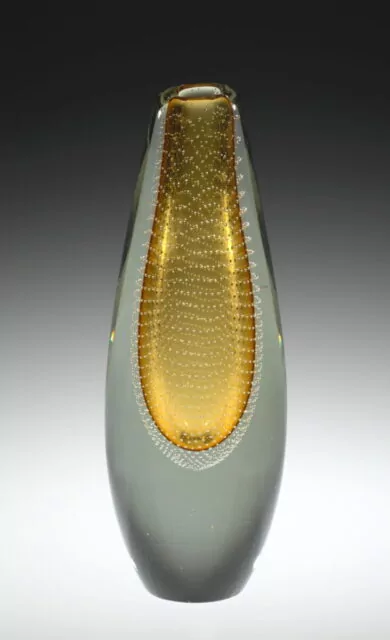
From its accidental discovery in ancient furnaces to the refined artistry of Lalique or Tiffany, glass has embodied both everyday utility and extraordinary beauty. The current market reflects shifting tastes, with collectors focusing on bold artistic statements rather than traditional tableware. For those entering the field, learning how to identify, evaluate, and care for antique glass offers not only potential financial reward but also the chance to connect with a material that has fascinated humanity for millennia.
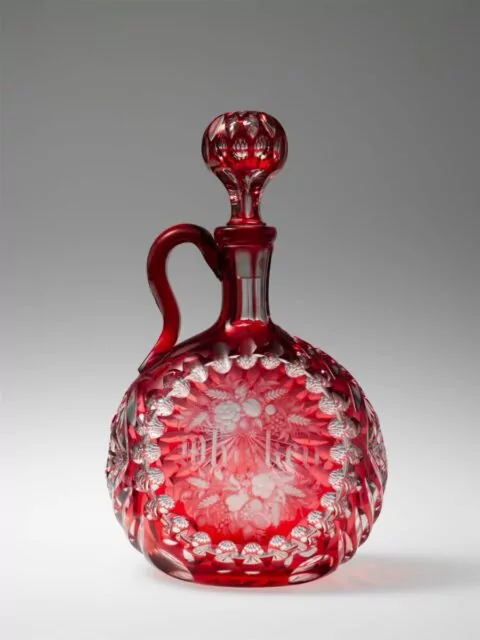
Photo credit: Metropolitan Museum of Art.
Further Reading & Resources
- Corning Museum of Glass – extensive collection and research library.
- Victoria and Albert Museum Glass Collection – highlights of European and British glass.
- Glass: A World History by Alan Macfarlane and Gerry Martin – a comprehensive reference.
- The Glass Society– promoting the study and appreciation of glass and glassmaking.
- Christie’s Collecting Guides: Glass – expert advice from the auction world.
Here at iValuations you’ll find experts in over 50 categories of art, antiques and collectibles that are waiting to give impartial professional, affordable and in-depth valuation reports in a timeous and easy to use manner.
Recommended Resources
How an Online Valuation is Done: Step-by-Step from Inspection to Report
Insurance Acceptance: Will Insurers Accept Online Valuations?
Valuation Types: The Difference Between Fair Market and Insurance Value
Professional Standards: Why Paid Valuations are Superior to Free Appraisals
The Valuation Process: Evaluation vs. Appraisal – What’s the Difference?
Ready to Value Your Antique Glass?
To get the most accurate valuation, please try to include photos of:
- ✓ The Full Form & Silhouette: A clean, eye-level shot of the entire piece against a neutral background to evaluate the colour uniformity, proportions, and style.
- ✓ The Base & Pontil Mark: Flip the item over and photograph the bottom.
- ✓ Signatures or Acid Stamps: Use a flashlight to check the outer rim or center base for faint, acid-etched marks, engraved artist signatures, or paper labels (common in Murano or Scandinavian art glass).
- ✓ Close-up of Details & Wear: Crisp macros showing the sharpness of cut edges, pattern seams, or natural base wear scratches.
100% Secure Checkout. All appraisals are conducted by independent, certified specialists.
