
How Often Should You Reappraise Your Art, Antiques or Collectibles?
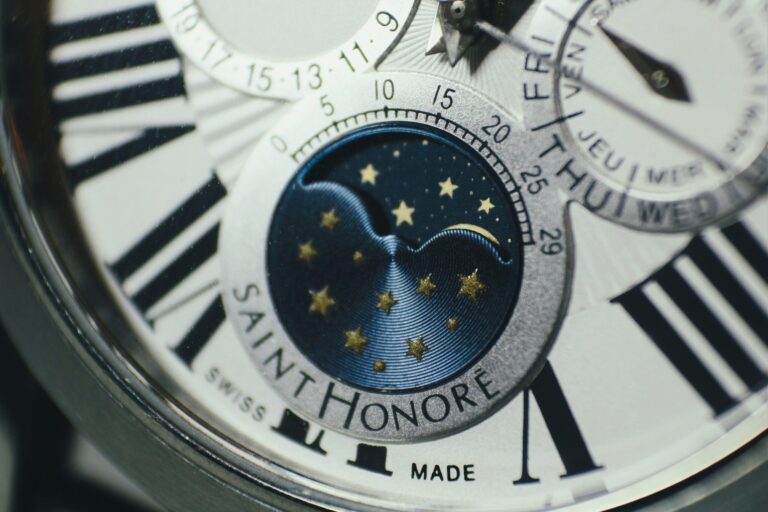
Whether you’re an experienced collector, a curator, or someone who has inherited some valuable items, a common but often neglected question is: How often should you reappraise your art, antiques or collectibles?
Values are rarely static for long. Art and collectibles markets are constantly shifting, influenced by fashion, global economics, taste, media exposure, as well as the price of precious metals. Reappraising isn’t just about staying up to date; it’s about protecting your financial interests, insuring correctly, and making smart decisions about your assets.
This article goes through the why, when, and how of collection reappraisal, whether your interests lie in fine art, antiques, vintage watches, jewelry, or decorative objects.

Photo credit: Museum of Modern Art. Public Domain.
According to the Art Basel & UBS Global Art Market Report 2025, global art sales dropped 12% in 2024 to approximately $57.5 billion, even as transaction volumes climbed 3%, signaling increased activity in lower-price segments. Sales in China declined sharply by 31%, while the U.S. and UK markets also saw declines of 9% and 5% respectively.
Meanwhile, Artnet’s Intelligence Report: The Year Ahead 2025 reports that auction sales of “trophy lots” valued over $10 million plunged 44.2%, indicating a dramatic retreat at the ultra-high end of the market.
ArtTactic’s Global Art Market Outlook 2025 similarly confirms this highend slowdown, while noting that collector sentiment remains cautiously forward looking despite prevailing uncertainties
Additionally, analysis in the Financial Times, drawing on ArtTactic’s data, found that fine art auction sales fell 6% in the first half of 2025, with major auction houses facing mounting pressure amid a broader industry recalibration.
Why Reappraisals Matter
Let’s begin by exploring why periodic reappraisal is essential.
Market Volatility
While some categories move slowly, others change fast. During COVID values of certain collectibles surged, particularly in watches, 20th century design, and contemporary art. In recent years, however, many of those markets have somewhat cooled, notably vintage watches, where prices have either stabilized, or in some cases, retracted.
Fine art, in particular, is sensitive to curatorial and market shifts, with values for living artists or rediscovered names changing significantly even within 18-24 months.
Gold, Precious Metals, and Materials
The price of gold has risen substantially, affecting the intrinsic value of jewelry, watches, and decorative arts made with precious metals. Even without market trend shifts, this alone may necessitate more frequent revaluations.
For example, a mid-century gold bracelet valued in 2019 may have an entirely different replacement cost in 2025 based on gold price alone, not even accounting for brand desirability.
Insurance Adequacy
Most collectors understand the need for insurance, but many can underestimate how fast values change. Underinsurance can leave you exposed in the event of a loss. Overinsurance can have you overpaying premiums on items that have depreciated.
Crucially, insurance valuations reflect replacement cost, often based on retail pricing. This can vary dramatically from the fair market value (FMV) used in resale or estate contexts.
Legal and Tax Planning
Whether for estate planning, inheritance, divorce, or charitable donation, valuations need to reflect current conditions and the appropriate legal standard (FMV, not replacement value). A 10 year-old appraisal, even from a reputable firm, may then not hold up to scrutiny.
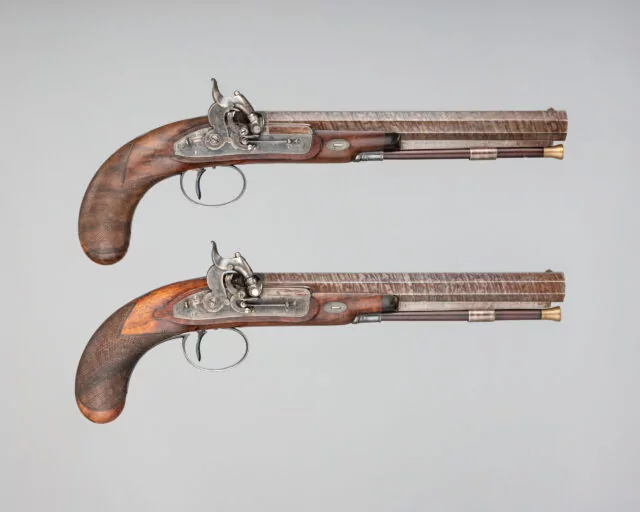
Photo credit: Metropolitan Museum of Art.
How Often Should You Reappraise?
There’s no universal rule, but certain guidelines exist based on item type, use, and market conditions:
| Category | Recommended Reappraisal Frequency |
| Fine Art | Every 3 years, or sooner if market changes |
| Jewelry (with gold/diamonds) | Every 1-3 years |
| Watches | Every 2-4 years (more often if insured, or of precious metals) |
| Antiques & Furniture | Every 5-10 years |
| Contemporary Art | Every 2 years |
| Design & Decorative Arts | Every 3-5 years |
| Insurance Valuations | Every 2-3 years |
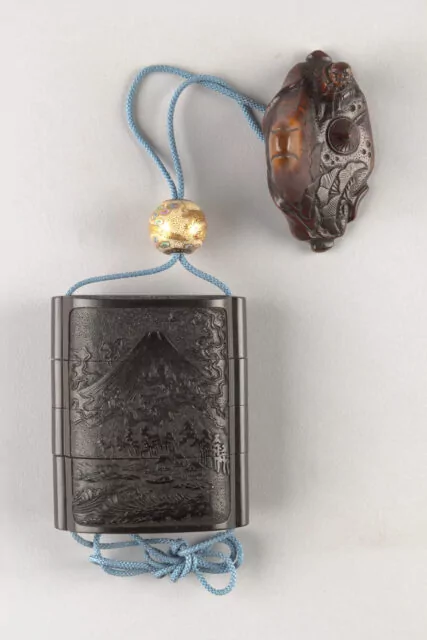
Photo credit: Metropolitan Museum of Art
When Should You Reappraise Sooner?
Certain events should trigger a new appraisal, regardless of the calendar:
Significant Change in Market Activity
If you see similar works or objects fetching far higher prices at auction or in dealer listings, that’s a strong signal your own valuations may be outdated.
Spike in Material Value
A surge in gold, silver, or gemstone prices directly impacts jewelry and watches. As of 2025, gold has approached record highs, impacting both intrinsic value and insurance costs.
New Provenance or Authentication
If new research or documentation emerges on an artwork or collectible, it could significantly shift the value, especially for fine art or rare objects.
Acquisition or Deaccession
Adding or removing major pieces alters the composition of your collection. A reappraisal provides an updated inventory and valuation baseline.
Insurance Policy Updates or Claims
Most insurers expect valuations to be reasonably current (within 2–3 years). A claim based on decade-old figures may lead to disputes, delays, or denial.
Is Your Current Valuation More Than 3 Years Old?
Markets shift, materials appreciate, and old policy limits can leave you heavily exposed. Protect your financial investment with an updated, certified valuation that reflects current retail replacement costs.
Update My Valuation Now
Fine Art: Why It Needs Frequent Reappraisal
Fine art often requires more frequent reappraisal than other asset classes, particularly for modern and contemporary works.
- Living artists’ markets can shift dramatically with gallery retrospectives, critical acclaim, or sudden media attention.
- Rediscovered artists may see rapid valuation climbs.
- Condition plays a significant role, and issues can develop over time, affecting both insurance and resale values.
- Authentication disputes or emerging catalogues raisonnés can influence value or saleability.
In today’s market, a 5-7 year gap is too long for many artworks. For active collections, every 2-3 years is the norm.

Teresa Kutala Firmino (South African,
1993-), UNTITLED, 2023, oil on canvas
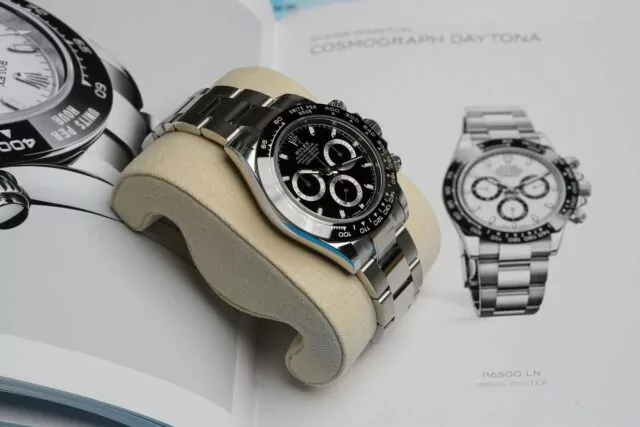
Watches: A Volatile and Important Market
During 2020-2022, prices for vintage and luxury watches (especially Rolex, Patek Philippe, Audemars Piguet, and Omega) soared. While that frenzy has somewhat cooled in 2024-2025, pricing remains higher than pre-COVID levels in many categories.
- Valuable references, such as the Omega Speedmaster “Ed White” or early Seamaster 300 models for example, still warrant periodic appraisals, especially if insured.
- Retail prices for new watches have also increased, raising the replacement value of comparable vintage models.
Jewelry: Precious Metal Prices and Fashion Move Faster Than You Think
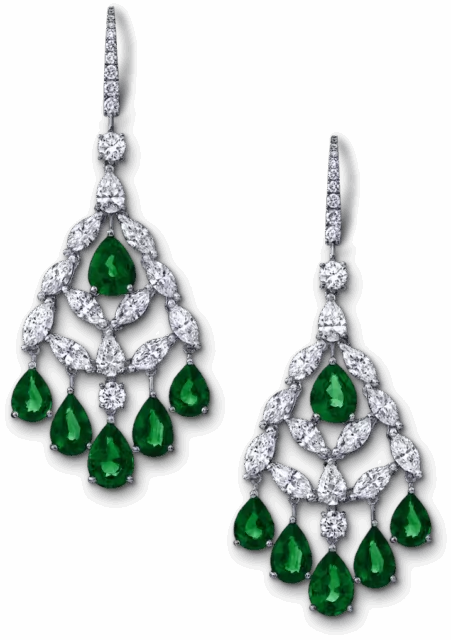
Next to contemporary art, jewelry may need the most frequent reappraisals, especially if insured. This is largely due to one factor: the price of precious metals and gemstones is highly volatile, and intrinsic material value forms a major, or even the most important, part of many jewelry valuations.
- Gold is driving up values! As of mid-2025, gold prices are approaching historic highs, with forecasts suggesting further upward movement. That alone will significantly increase the replacement cost of items made in 14k, 18k, or 22k gold, even if their collectible or design appeal remains unchanged.
- Natural diamonds have softened somewhat in price due to competition from lab-grown stones, but high quality naturally coloured gemstones, such as sapphires, rubies, emeralds, are still rising in value.
- Items by Cartier, Van Cleef & Arpels, Tiffany & Co., and Bulgari often command premiums above intrinsic value. These markets behave differently than gold spot prices, and values can shift with fashion trends, red carpet exposure, and auction results.
Decorative Arts & Antiques: A Slower Market, But Still Robust in Many Areas
The broad world of decorative arts and antiques,from ceramics to clocks, silver to furniture, has seen dramatic market shifts in recent decades. While it’s true that certain traditional antiques have declined in demand, that doesn’t mean appraisals should be ignored.
- With the decline of formal furniture, such as heavy oak and mahogany furniture, particularly in Victorian and Edwardian revival styles, has dropped in fair market value significantly, in some cases up to 70%, or more, since the early 2000s. Many formal dining sets, sideboards, and bureaus no longer fetch what they once did, and many insurance policies are still based on outdated valuations. Reappraisal here often means downward correction, which can save money on premiums or help estates price realistically.
- Certain styles have re-entered favour however, such as Aesthetic Movement pieces, Arts & Crafts furniture and Mid-century Scandinavian ceramics and lighting for example. Fashion is then a crucial component of determining value in this sector.
- Hallmarked silver has intrinsic material value but its market has been dragged down considerably by lower demand for formal dining accoutrements. Reappraisals must reflect both silver content and stylistic relevance. However, works by important silversmiths, such as Paul Storr or Georg Jensen, or branded 20th-century pieces by Tiffany or Cartier may buck the trend.
Remember, valuation isn’t about trying to capture the highest or best value, but rather the right value for any given moment, and sometimes that requires decreasing a previously appraised amount in line with market realities, so you are informed, and not over paying on insurance premiums.
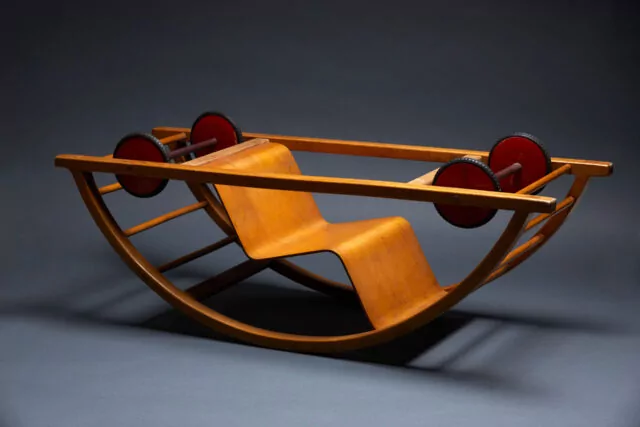
Photo credit: Atelier Hans Brockhage
How to Properly Execute a Reappraisal
Specify the Purpose
Depending on the reason for the valuation the same object can have different appraisal outcomes, be it for insurance replacement, estate planning, divorce or probate purposes.
Use Existing Documentation
Bring previous valuations, invoices, images, and provenance. Many appraisers will offer update reports instead of full new reports if you provide a solid paper trail.
Digital Inventory
Maintain a spreadsheet or database tracking details such as purchase and appraisal dates, photographs, serial numbers and reference codes, and condition notes, which will make periodic reappraisal far easier.
Photo credit: Metropolitan Museum of Art
The Risks of Letting Valuations Lapse
Underinsurance
You may receive a fraction of an item’s real cost to replace. Insurers will only pay up to the stated value, regardless of actual replacement cost.
Overpayment of Premiums
If the market has softened, you may be paying to insure at a level no longer justified.
Legal or Tax Exposure
Estate, probate, or donation reporting requires accurate and timely appraisals. Using outdated valuations can lead to audits, disputes, or even penalties.
Photo credit: Metropolitan Museum of Art
Reappraisal Is Part of Responsible Collecting
Whether you own a vast collection of modern art, a drawer full of vintage Heuer chronographs, or a family collection of silver, reappraisal is not a luxury, it’s a necessary part of ownership.
As values shift, documentation degrades, and markets move, a reappraisal ensures that your records, policies, and decisions are based on real world value, not hopeful assumptions or outdated estimates.
Generally, most insurers recommend a professional reappraisal every 3 to 5 years to account for market volatility in the art and antiques sectors.
If in doubt, speak to a qualified valuer or appraiser with relevant expertise. The cost of an update is often far less than the cost of being caught short when it matters most.
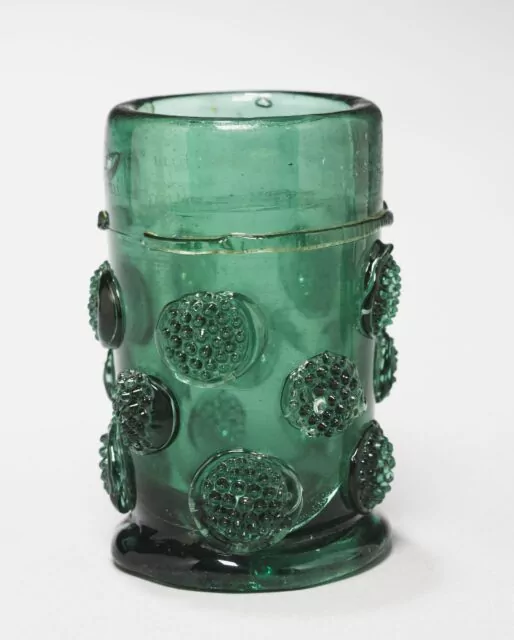
Photo credit: Metropolitan Museum of Art
Here at iValuations you’ll find experts in over 50 categories of art, antiques and collectibles that are waiting to give impartial professional, affordable and in-depth valuation reports in a timeous and easy to use manner.
Recommended Resources
Insurance Validity: Will Insurance Companies Accept Online Valuations?
The Update Process: How an Online Valuation is Done: A Step-by-Step Guide
Market Fluctuations: Understanding Fair Market vs. Insurance Replacement Value
Professional Standards: Why You Should Pay for a Professional Art, Antiques, or Collectables Valuation
Expert Insight: The iValuations Guide to Expert Valuation for Art and Antiques
Is It Time for a Revaluation Audit?
Before submitting updates, review your current inventory for these significant pointers:
- ✓ High-Volatility Categories: Pull out files for fine watches, gold metalwork, or trending art sectors, as these specific markets experience the sharpest cyclical price swings.
- ✓ Changes in Physical Condition: Note any items that have undergone professional restoration, framing changes, or suffered wear since they were last documented.
- ✓ Outdated Document Formats: Identify any legacy paper appraisals lacking clear digital backup imagery or missing comprehensive independent market analysis descriptions that can be required by modern insurers.
100% Secure Checkout. All appraisals are conducted by independent, certified specialists.
