
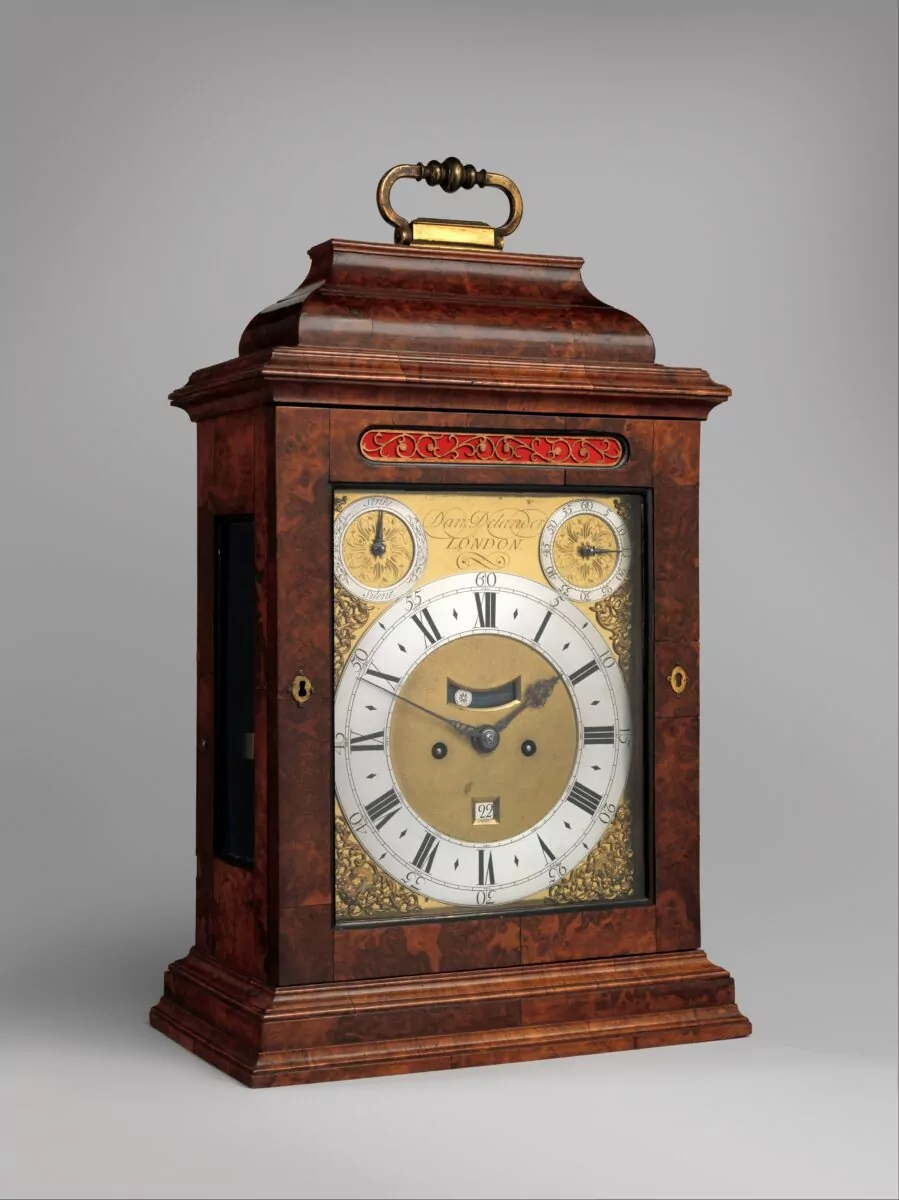
Online Antique Clock Valuations
Welcome to iValuations' dedicated online Antique Clock appraisal hub. Our international specialists combine decades of market expertise to provide accurate, certified valuations of your horological items from photographs.

Online valuations in over 50 categories of fine art, antiques & collectibles, with dedicated specialists in each field
What Is Your Antique Clock Worth?
What Is Your Antique Clock Worth?
The international market for antique clocks represents one of the most diverse and multi-layered sectors of the decorative arts. An antique clock combines the scientific advancements of its day, micro-engineering, and master cabinetmaking and metalwork. From the austere, architectural proportions of 17th century English longcase clocks to the lavish, Louis XVI fire gilded bronze cases and Empire mantel regulators, this specialised market favours mechanical originality, quality, maker reputation, and regional craftsmanship. As historic clocks were prized, expensive status symbols that required a collaborative effort between master clockmakers and other top artisans, authentic and well preserved examples continue to hold strong collecting appeal.
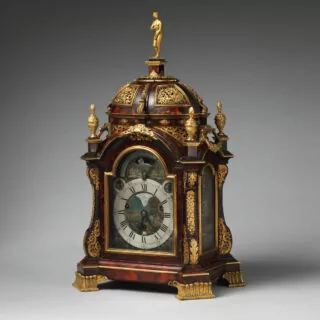
Our dedicated horological specialists provide precise, market reflective valuations across all types of mechanical movements, cases, and periods. We regularly appraise an expansive array of domestic and institutional timekeepers, including elegant Georgian longcase and bracket clocks, intricate French carriage and cartel clocks, precision marine chronometers, skeleton clocks, and rare Viennese regulators. Whether you possess an 18th century repeating bracket clock bearing the coveted signature of a London master like George Graham, a decorative 19th century French mantle clock, or a precision regulator, our team examines multiple pointers. We meticulously cross-reference maker signatures, backplate stamps, and production styles with real time international auction databases, specialised horological reference archives and our deep institutional knowledge to establish an accurate fair market and insurance value.
Determining the definitive value of an antique clock requires a deep, dual-level inspection of both its external casing and its internal movement. Unlike static decorative arts, a clock's value is profoundly tied to its mechanical integrity; a beautifully preserved case housing a heavily altered, swapped, or modernised movement will lose a considerable portion of its collector's value. Our specialists analyse the escapement mechanism, striking and going trains, checking for evidence of past conversions (such as an early lantern or bracket clock updated from a verge escapement to an anchor escapement), or poor quality restoration. Externally, we evaluate the authenticity of the dial, inspecting for later signatures, replaced hands, altered spandrels, or repainting, while examining the case for age appropriate wear, original finishes, and sympathetic restorations. This exhaustive technical and historical analysis ensures you receive an authoritative appraisal report you can completely trust.
How to Submit Your Antique Clock for Valuation

Upload photos of your item

Our experts will appraise your item

Receive a valuation report
1. Take Clear Photographs:
What Our Specialist Looks For When Valuing an Antique Clock
Clockmaker & Case Attribution: Is the movement signed or stamped by a renowned master clockmaker? Can the cabinetwork or bronzework be attributed to a known workshop or a celebrated maker's guild?
Movement Type & Materials: Is it a weight driven longcase, a fusee bracket clock, or a gilded carriage clock with platform escapement? Are the case materials tortoiseshell boulle work, fine walnut, or ebonized fruitwood?
Size & Presence: What are the exact dimensions? Does the timepiece have a commanding presence, such as an 8 foot tall longcase clock, or is it a small, technically intricate portable timepiece?
Condition: Has the movement suffered from mechanical modifications, such as an early 17th century clock converted from a verge to an anchor escapement? Are the wheels, plates, and hands original, or are there later modern replacements?
Complications & Style: Is the design iconic of a sought after horological era. Does the movement feature rare complications like astronomical phases, musical chimes, or perpetual calendars?
Provenance: Is there any documented ownership history, or archival record linking it to an historic estate or notable collection?
Frequently Asked Questions About Antique Clock Valuations
Ready to Discover the Value of your Antique Clock?
Expert written valuations with pricing tailored to the size of your collection.
In addition to purchasing a single valuation we also offer a system of allowing you to buy valuations in batches. This affords you a discounted rate, meaning the more valuations you buy the less you pay for an individual valuation.
After purchasing a valuation pack you will be emailed a code with which you can redeem your valuations at your convenience.
For more information on how iValuations works, please see our FAQ page.
-
Start Valuation
$16.00Start Your Valuation This product has multiple variants. The options may be chosen on the product page -
3 Valuations
$45.00Buy NowSave R30Save $3Save £6 -
5 Valuations
$70.00Buy NowSave R75Save $10Save £20 -
10 Valuations
$135.00Buy NowSave R250Save $25Save £55 -
50 Valuations
$630.00Buy NowSave R1750Save $170Save £350
Recommended Resources
Insurance Validity: Will Insurance Companies Accept Online Valuations?
The Update Process: How an Online Valuation is Done: A Step-by-Step Guide
Insight: French Carriage Clocks: An Expert Guide