
Online Manuscript Valuations
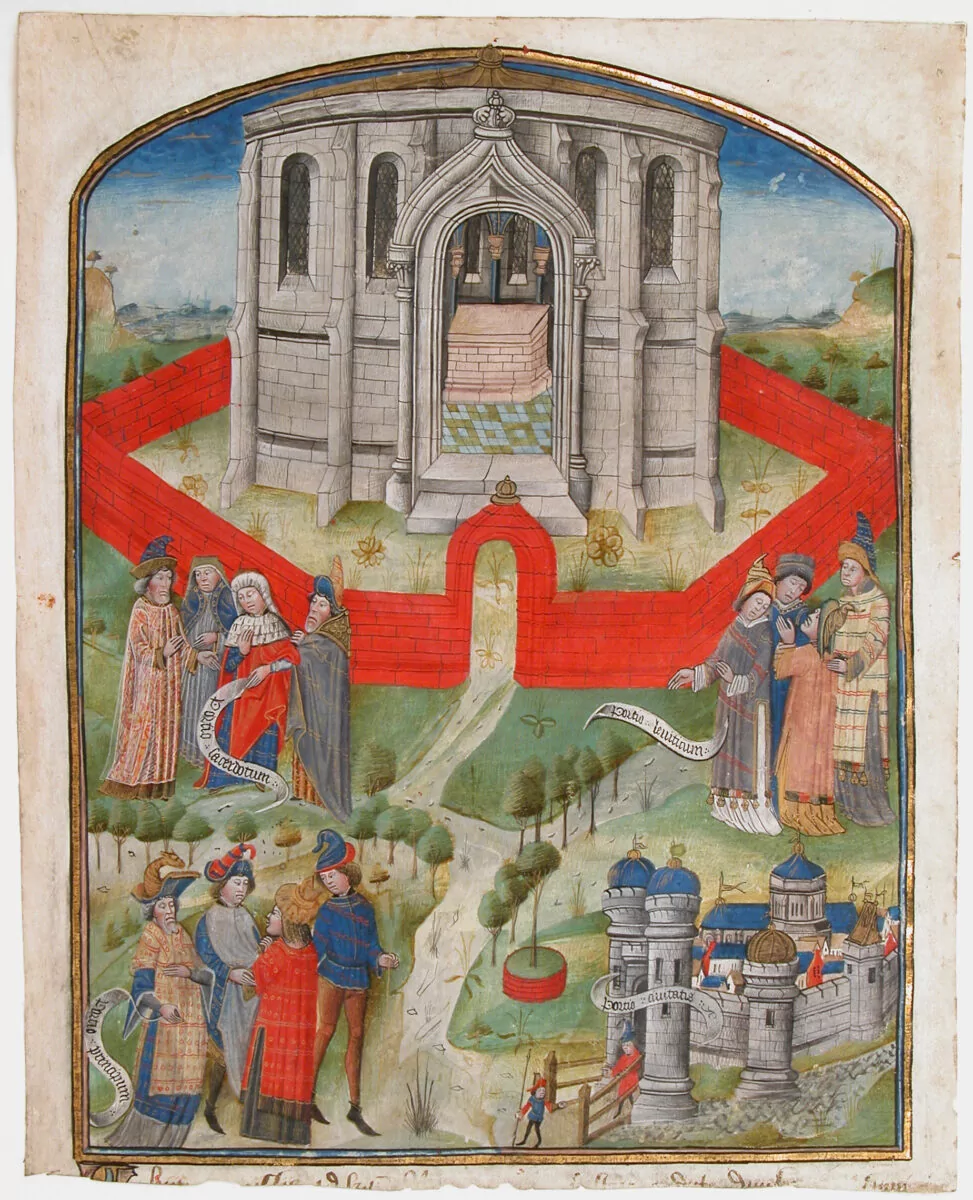
Welcome to iValuations' dedicated online Manuscript appraisal hub. Our international specialists combine decades of market expertise to provide accurate, certified valuations for your historic documents, illuminated leaves, and rare codices from photographs.
Online valuations in over 50 categories of fine art, antiques & collectibles, with dedicated specialists in each field
What Is Your Manuscript Worth?
The monetary value of a historic manuscript relies on a complex intersection of age, text importance, and physical uniqueness. Unlike a mass produced printed book, a manuscript represents a unique handwritten record, whether it survives as an independent document, a single illuminated leaf, or a distinct component within a larger bound codex. Determining its worth requires identifying the script style, the language or dialect used, and whether the text represents an unknown composition, a critical historical record, or a beautifully preserved religious work.
An accurate appraisal must also take into account the distinct materials and production techniques of different eras. Discovering whether you possess an early medieval vellum or parchment codex, an exquisitely detailed illuminated leaf featuring gold leaf miniature paintings, or an important literary or political handwritten archive from a later century requires specialist expertise. Our international specialists meticulously cross-reference these palaeographic nuances with global auction databases, institutional records and our deep institutional knowledge to establish a definitive valuation.
Physical preservation plays an equally vital role in the final assessment. Factors such as the stability of the binding, ink degradation (such as iron gall corrosion), text block completeness, and the presence of defining colophons or ownership marks can significantly alter an item's desirability. We analyse all of these physical attributes alongside current market trends to deliver globally recognised valuation certificates for insurance, fair market value, or potential sale.
How to Submit Your Manuscript for Valuation

Upload photos of your item

Our experts will appraise your item

Receive a valuation report
1. Take Clear Photographs:
What Our Specialist Looks For When Valuing Manuscripts
Scribe or Author Attribution: We identify whether a text can be attributed to a specific monastic scriptorium, a known royal court workshop, or a celebrated historical scribe. When a definitive author or scribe cannot be named, our specialists analyse the regional script and decorative style to attribute the work to a specific school, circle, or geographic tradition.
Medium: We determine whether the text is written on papyrus, parchment or vellum, or early handmade paper. We inspect the composition of the inks and pigments, noting the presence of rare elements like lapis lazuli, vermilion, or applied gold leaf in illuminated miniatures and borders.
Condition: We examine the stability of any binding, page completeness, and common issues such as insect damage, warping, or historic damp staining. We also check for check for any chemical deterioration, such as iron gall ink corrosion, and distinguish professional archival restoration from damaging amateur repairs.
Subject Matter: Secular texts, early scientific or medical treatises, and beautifully illustrated biblical narratives command a significant premium over standard liturgical fragments. We also evaluate the rarity of the specific text version, language, or regional dialect, assessing how many comparable examples survive in public institutions or private hands.
Provenance: We look for any identifying contemporary marginalia, institutional library stamps, handwritten ownership inscriptions, or illuminated coats of arms belonging to the original patron.
Frequently Asked Questions About Manuscript Valuations
Ready to Discover the Value of your Manuscript?
Expert written valuations with pricing tailored to the size of your collection.
In addition to purchasing a single valuation we also offer a system of allowing you to buy valuations in batches. This affords you a discounted rate, meaning the more valuations you buy the less you pay for an individual valuation.
After purchasing a valuation pack you will be emailed a code with which you can redeem your valuations at your convenience.
For more information on how iValuations works, please see our FAQ page.
-
Start Valuation
$16.00Start Your Valuation This product has multiple variants. The options may be chosen on the product page -
3 Valuations
$45.00Buy NowSave R30Save $3Save £6 -
5 Valuations
$70.00Buy NowSave R75Save $10Save £20 -
10 Valuations
$135.00Buy NowSave R250Save $25Save £55 -
50 Valuations
$630.00Buy NowSave R1750Save $170Save £350
Recommended Resources
Insurance Validity: Will Insurance Companies Accept Online Valuations?
The Update Process: How an Online Valuation is Done: A Step-by-Step Guide
Market Fluctuations: Understanding Fair Market vs. Insurance Replacement Value
Professional Standards: Why You Should Pay for a Professional Art, Antiques, or Collectables Valuation
Expert Insight: The iValuations Guide to Expert Valuation for Art and Antiques