
The 3 Different Types of Value in Art, Antiques & Collectibles

When I am out and about conducting my valuations I often first have to ask the client what type of value they want attached their particular item. I am then often met with a look of befuddlement as if I am asking them why water is wet.
Depending on the reason for the valuation, and the needs of the client, there are very different types of value that can be applied to each piece. Here at iValuations we keep it simple and offer two as standard, a fair market value (FMV) and an insurance value (IV). However, we can tailor your valuation document to your specific needs.
While there are others, there are three distinct types of value that are worth discussing when it comes to art, antiques and collectibles, and knowing why they differ from each other.
Selling Value
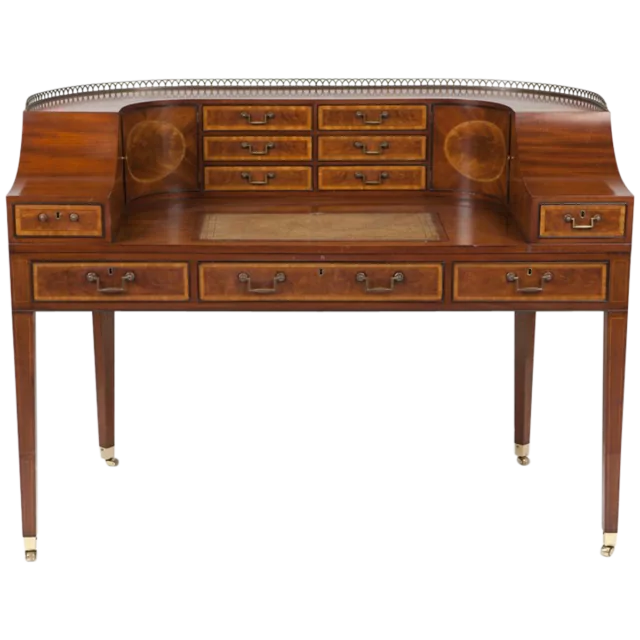
This is normally the lowest of the three types of value. This value purports that an item, like an antique table for example, will be assigned to an auction saleroom for sale. It will probably be one of many pieces of furniture sold that day and there might be dealers at the sale looking to replenish their stock inventory. In other words they are looking to buy at a certain price point because they know the market can support them turning a profit on their purchases. There might also be shrewd members of the public looking to pick up bargains. Items here are not presented in the same way as a high end shop or gallery and the seller often doesn’t have the same overheads as a high street shopkeeper. Items are often also in as found condition so costs like restoration still need to be factored in. Items don’t always go for a bargain at auction, far from it. However, it is often a benchmark to measure the lower end, or realistic part, of value. If the owner of a particular item wants to dispose of it effortlessly, or quickly, then an auction house or a dealer is often the way to go about it. It perhaps won’t get its very best price but at least it should sell.
I must mention, however, that this doesn’t apply to the high end of the market though where valuable and rare pieces are marketed to buyers from high profile auction houses in much the same way that high street galleries do.
Fair Market Value
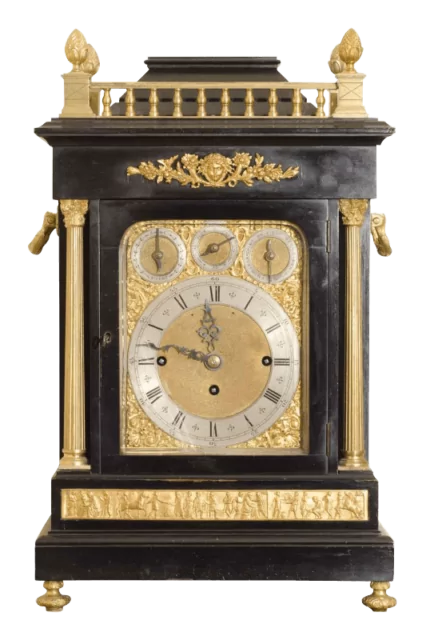
This is based on the willing seller, willing buyer model. It purports that if an informed person has a particular piece, a painting for example, that they are willing to sell. They will do so at a reasonable price and that an informed buyer will be willing to pay that reasonable asking price. The seller is not trying to hold out for the absolute best price possible and the buyer is not looking for a bargain. In other words it is an informed fair exchange that supports the current market trends. This can end up being very subjective depending on the buyer/purchaser’s desires but it is hoped there is sufficient record of similar items being sold to base and record this value on. Fair market value is also used for determining and recording value for estate purposes.
Insurance Value
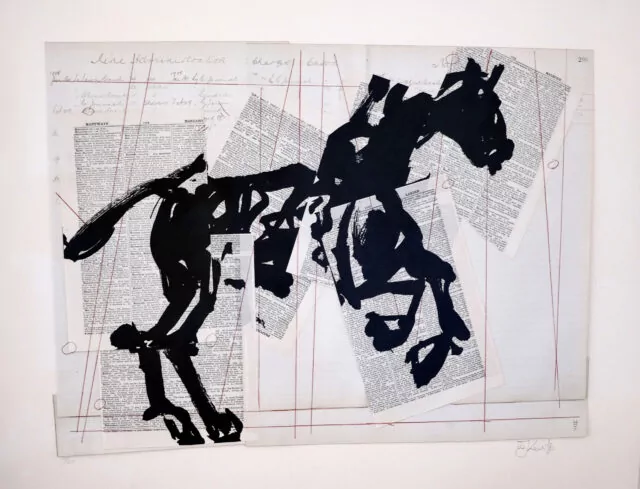
Also known as insurance replacement value and is the highest of the three values discussed here. This concerns the scenario if an item is severely damaged, destroyed or stolen and the owner then needs to be reimbursed by the monetary value that is stated on their insurance policy. That amount is normally the full retail cost plus additional expenses that may be incurred such as repair or replacement with an exact or similar duplicate. Insurance value is not concerned with seeking out and replacing an item at a bargain price. That is not why the client pays their insurance premium. The value here is concerned with gallery or shop prices where the full retail price would be paid for a replacement at the time of damage or loss.
This is why it is so important to keep ones insurance valuations and documents up to date, and regularly reviewed. Particularly for for volatile and dynamic parts of the market such as fine art, luxury watches and precious metals.
Which Value Definition Does Your Situation Demand?
Using the wrong valuation type can void insurance claims or cause legal complications. Tell our certified, independent specialists what your report is for, and we will tailor and apply the exact market framework required.
Start ValuationThese type of values are not strictly linear however. An insurance value can end up being very similar to a selling value because, for example a highly revered artist, might be so sought after that the value they sell for on the open market might be similar as found in the retail sphere. When it comes to valuing, each piece must be approached as an individual. However, for the most part, these three value types can be used to determine the differing needs required depending on the circumstances.
Here at iValuations you’ll find experts in over 50 categories of art, antiques and collectibles that are waiting to give impartial professional, affordable and in-depth valuation reports in a timeous and easy to use manner.
Recommended Resources
Insurance Validity: Will Insurance Companies Accept Online Valuations?
The Process in Action: How an Online Valuation is Done: A Step-by-Step Guide
Professional Standards: Why You Should Pay for a Professional Art, Antiques, or Collectables Valuation
Maintaining Accuracy: How Often Should You Reappraise Your Art and Antiques?
Term Clarification: Valuation, Evaluation, or Appraisal—Which Service Do You Need?
Ready to Generate an Official Valuation Report?
To ensure our experts apply the precise market data for your needs, please compile and specify:
- ✓ Your Intended Legal or Financial Purpose: Clearly state if the report is for insurance coverage (Replacement Value), division of assets/tax compliance (Fair Market Value), or an immediate open-market sale.
- ✓ High-Resolution Detailed Photos: Comprehensive images capturing the entire piece alongside close-ups of signatures, maker marks, hallmarks, or condition anomalies.
- ✓ Physical Scale & Existing Provenance: Exact measurements (height, width, or weight) and a brief summary of any purchase receipts, family history records, or previous appraisal documentation.
100% Secure Checkout. All appraisals are conducted by independent, certified specialists.
