
Online Japanese Art Valuations
Welcome to iValuations' dedicated historic Japanese art and antiques appraisal hub. Our international specialists combine decades of market expertise to provide accurate, certified valuations of your antiques & decorative arts from photographs.
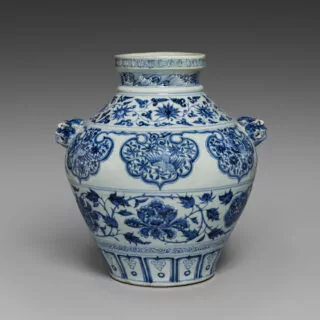
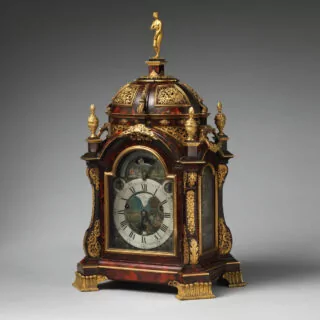
Online valuations in over 50 categories of fine art, antiques & collectibles, with dedicated specialists in each field
What Is Your Japanese Art Worth?
The international market for Japanese art and antiques reflects a deep cultural history that balances centuries of isolation with eras of explosive global export demand. Today, this sector is vibrant, driven by a dedicated network of international museums, private institutions, and collectors who deeply appreciate the meticulous craftsmanship, technical perfection, and unique aesthetic philosophies inherent to Japanese design. Unlike Western art traditions, which often emphasize bold, singular statements, Japanese art frequently celebrates understated elegance (shibui), the beauty of natural imperfection (wabi-sabi), and an unparalleled mastery of materials. Because these objects range from prized domestic pieces created for the imperial court or samurai elite to magnificent, ornate objects crafted specifically for Western world world's fairs, the market is exceptionally nuanced, with values dictated by maker attributions, historical periods, and global collector demand.
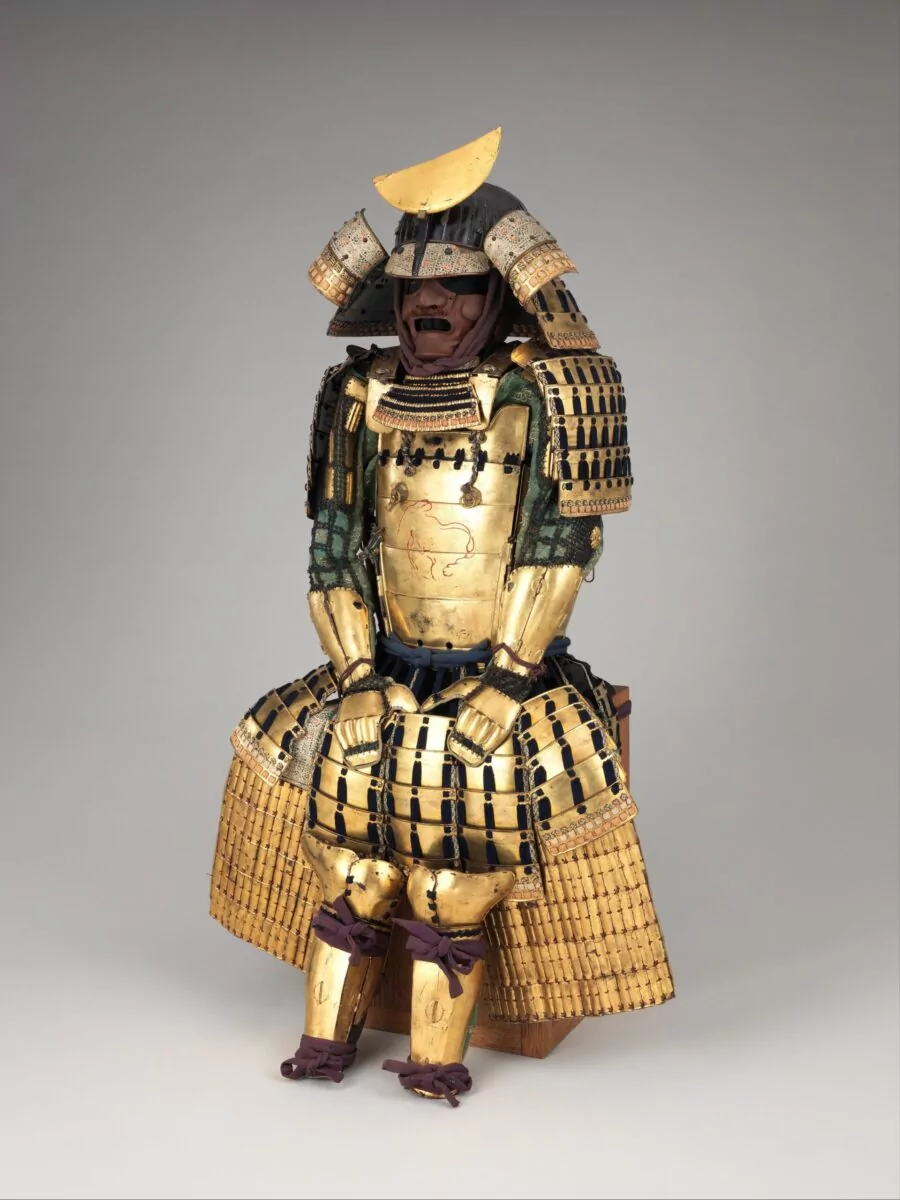
Our international specialists offer expert, market reflective appraisals across the full, diverse spectrum of Japanese antiques. We regularly evaluate a wide range of rare cultural treasures, including early ukiyo-e woodblock prints, complex cloisonné enamels, expert metalwork, and delicate scholar's objects, fine lacquerware, intricately carved netsuke, and legendary samurai swords and armor remain active, premium sectors of the global market. Whether you possess an exquisite gold lacquered inro, a beautifully patinated bronze sculpture, an elegant tea ceremony bowl, or a masterfully forged katana, our team conducts a meticulous review. We cross reference each piece with global auction results, museum collections, historical archives, and our deep institutional knowledge to determine a definitive fair market and insurance value.
Determining the true worth of Japanese art requires a specialized, multi-layered approach to digital material and stylistic analysis. In a market where traditional styles, signatures, and seals have been respectfully carried on by successive generations of workshops or reproduced during the late 19th century Meiji export boom, authentication relies heavily on precise visual analysis. We closely examine your images to evaluate surface characteristics, identifying authentic age patina and layered depth of genuine lacquerware, assessing the crispness of metal chasing, analyzing the hand-painted brushwork on porcelain, and scrutinizing signatures, artist seals (kao), or workshop marks. From evaluating the condition of a delicate woodblock print to assessing historical collection labels, our exhaustive digital valuation process ensures you receive an accurate, authoritative appraisal report you can rely on for insurance, fair market, or prospective sale.
How to Submit Your Japanese Art for Valuation
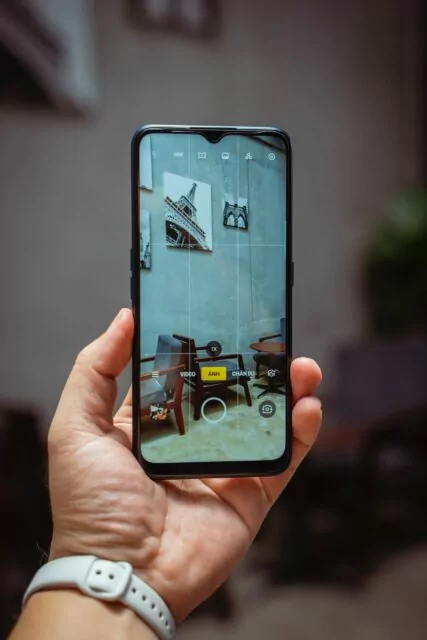
Upload photos of your item

Our experts will appraise your item

Receive a valuation report
1. Take Clear Photographs:
What Our Specialist Looks For When Valuing Japanese Art
Artist, Workshop or Period Attribution: Does the piece bear a signature, an artist seal (kao), or a workshop mark? Can it be attributed to a specific master craftsman, a renowned lineage, or a distinct historical era, such as the refined Edo period or the innovative Meiji export boom?
Medium: What materials and technical disciplines are visible in your photos? Is it carved from fine wood or ivory, is it Satsuma or Imari earthenware, or cast alloy metalwork? For woodblock prints and paintings, do the images show ink on traditional washi paper or delicate silk brushwork?
Size: What are the physical dimensions of the object? Does a large, intricately decorated floor vase, a multi-panel folding screen (byobu), or an ornate suit of armor command presence for collectors, or is it an intimate, small-scale piece like a netsuke or inro ?
Condition: Are there signs of honest age wear captured in your photos, such as the natural mellowing of ivory, missing inlay, or hairline cracks in ceramics? Our digital review closely inspects your images for condition issues like fading or wormholes on prints, flaking lacquer, or signs of later restoration.
Subject Matter: Is the aesthetic style typical of a sought after artistic movement (such as Rinpa, Shijō, or Ukiyo-e)? Is the iconography particularly desirable to global collectors such as dramatic samurai battle scenes, serene Zen landscapes, or rare mythical creatures (yokai) that can drive premium market value?
Provenance: Does the item have any documented history or a trace back to an old Western or Japanese collection? Do your photographs include accompanying traditional items, such as a signed wooden collector's box (tomobako), old inventory labels, or historic dealer tags that can help verify its provenance?
Frequently Asked Questions About Japanese Art Valuations
Ready to Discover the Value of your Japanese Art?
Expert written valuations with pricing tailored to the size of your collection.
In addition to purchasing a single valuation we also offer a system of allowing you to buy valuations in batches. This affords you a discounted rate, meaning the more valuations you buy the less you pay for an individual valuation.
After purchasing a valuation pack you will be emailed a code with which you can redeem your valuations at your convenience.
For more information on how iValuations works, please see our FAQ page.
-
Start Valuation
$16.00Start Your Valuation This product has multiple variants. The options may be chosen on the product page -
3 Valuations
$45.00Buy NowSave R30Save $3Save £6 -
5 Valuations
$70.00Buy NowSave R75Save $10Save £20 -
10 Valuations
$135.00Buy NowSave R250Save $25Save £55 -
50 Valuations
$630.00Buy NowSave R1750Save $170Save £350
Recommended Resources
Insurance Validity: Will Insurance Companies Accept Online Valuations?
The Update Process: How an Online Valuation is Done: A Step-by-Step Guide
Market Fluctuations: Understanding Fair Market vs. Insurance Replacement Value
Professional Standards: Why You Should Pay for a Professional Art, Antiques, or Collectables Valuation
Expert Insight: Understanding Provenance: How an Item’s History and Ownership Can Impact Its Value