
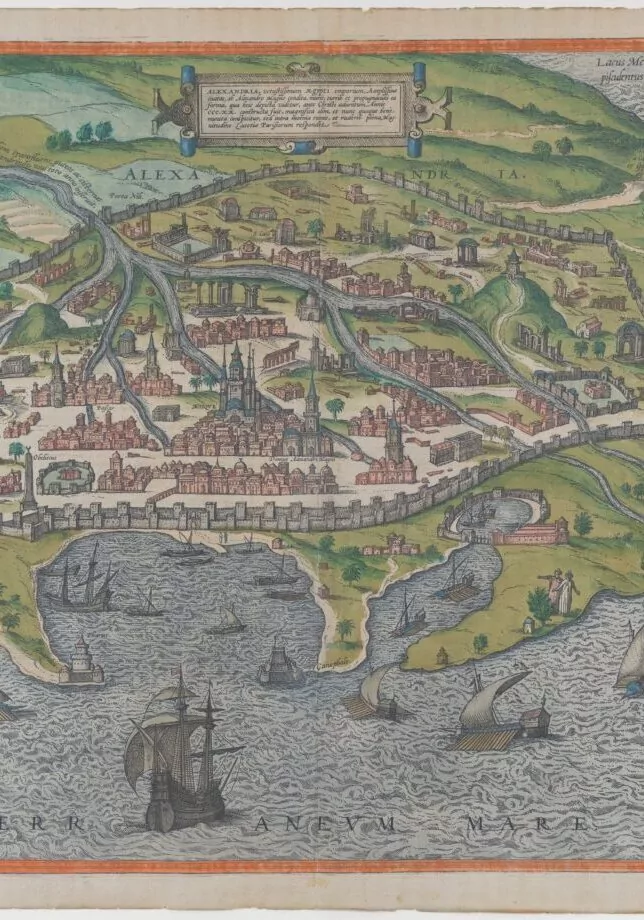
Online Antique Map Valuations
Welcome to iValuations' dedicated online antique map appraisal hub. Our international specialists combine decades of market expertise to provide accurate, expert valuations for your historic cartography, charts, and atlases from photographs.
Online valuations in over 50 categories of fine art, antiques & collectibles, with dedicated specialists in each field
What Is Your Antique Map Worth?
What Is Your Antique Map Worth?
The monetary value of an antique map relies on a complex intersection of historical significance, scarcity, and physical condition. While a map's decorative aesthetic is undeniable, serious collectors, dealers, and institutions look far beyond surface appeal. One must identify the exact printing plate variations, the specific edition or state of the publication, and whether the hand-colouring is contemporary to the map's production or a modern addition.
An accurate appraisal must also take into account the distinct printing technologies of different eras. Discovering whether you possess an early 16th-century woodcut, a rare Dutch Golden Age copperplate engraving from master cartographers like Blaeu or Hondius, or a sought after 19th century lithographic regional chart requires specialist expertise. Our appraisers meticulously cross reference these, and other, cartographic nuances with auction records, global dealer networks, and our deep institutional knowledge to establish a definitive valuation.
Physical preservation plays an equally vital role in the final assessment. Factors such as original margins, centrefold condition, backing materials, and the presence of any defining watermarks can significantly alter an item's desirability and worth. We analyse all of these physical attributes alongside current market trends to deliver fast and accurate valuation certificates for insurance, fair market, or potential sale.
How to Submit Your Antique Map for Valuation

Upload photos of your item

Our experts will appraise your item
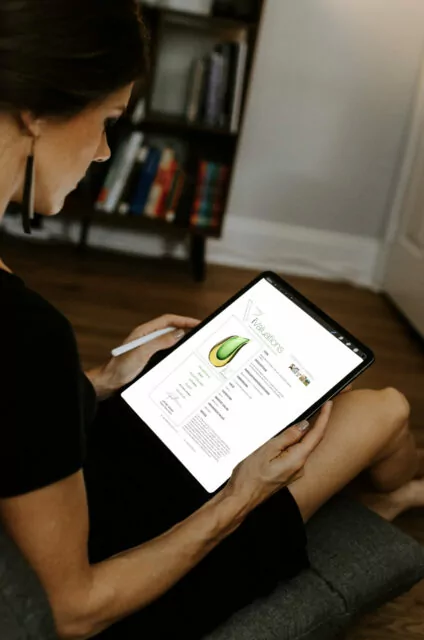
Receive a valuation report
1. Take Clear Photographs:
What Our Specialist Looks For When Valuing Antique Maps
Cartographer: Is the map signed, monogrammed, or attributed to a renowned cartographer, engraver, or publishing house? The presence of a prominent name in the cartouche, such as Blaeu, Ortelius, Mercator, or Hondius, can elevate an item's historical importance and market profile.
Printing Technique: Is the map a 16th century woodcut, a crisp copperplate engraving, an aquatint, or a later lithographic print? Identifying the exact method of production is fundamental to dating the piece and assessing its craftsmanship. We closely examine the impression lines, the texture of the paper, and whether the colouring is contemporary to the map's original publication era or a later addition applied to increase decorative appeal.
Size: What are the dimensions of the sheet, and how does its scale impact its presence.
Condition: Are there visible signs of foxing, uniform toning, tears along the centrefold, or historic damp damage? Because antique maps were frequently handled, folded into atlases, or exposed to fluctuating environmental conditions, their physical state significantly impacts final value. Our valuation looks past superficial wear to identify structural integrity, checking for original margins, page trimming, and past restorative work.
Subject Matter: Is the map a depiction of a highly sought after region, an early celestial chart, or a document detailing a specific geopolitical boundary shift? Maps showcasing early colonial exploration, missing coastlines, or iconic mythical sea monsters often command a premium due to their historical romance and scarcity.
Provenance: Does the map possess an any established lineage, ownership stamps, or an intriguing backstory that connects it to a specific historical archive, library, or private collection?
Frequently Asked Questions About Antique Map Valuations
Ready to Discover the Value of your Antique Map?
Expert written valuations with pricing tailored to the size of your collection.
In addition to purchasing a single valuation we also offer a system of allowing you to buy valuations in batches. This affords you a discounted rate, meaning the more valuations you buy the less you pay for an individual valuation.
After purchasing a valuation pack you will be emailed a code with which you can redeem your valuations at your convenience.
For more information on how iValuations works, please see our FAQ page.
-
Start Valuation
$16.00Start Your Valuation This product has multiple variants. The options may be chosen on the product page -
3 Valuations
$45.00Buy NowSave R30Save $3Save £6 -
5 Valuations
$70.00Buy NowSave R75Save $10Save £20 -
10 Valuations
$135.00Buy NowSave R250Save $25Save £55 -
50 Valuations
$630.00Buy NowSave R1750Save $170Save £350
Recommended Resources
Insurance Validity: Will Insurance Companies Accept Online Valuations?
The Update Process: How an Online Valuation is Done: A Step-by-Step Guide
Market Fluctuations: Understanding Fair Market vs. Insurance Replacement Value
Professional Standards: Why You Should Pay for a Professional Art, Antiques, or Collectables Valuation
Expert Insight: Antique Maps: An Expert Guide