
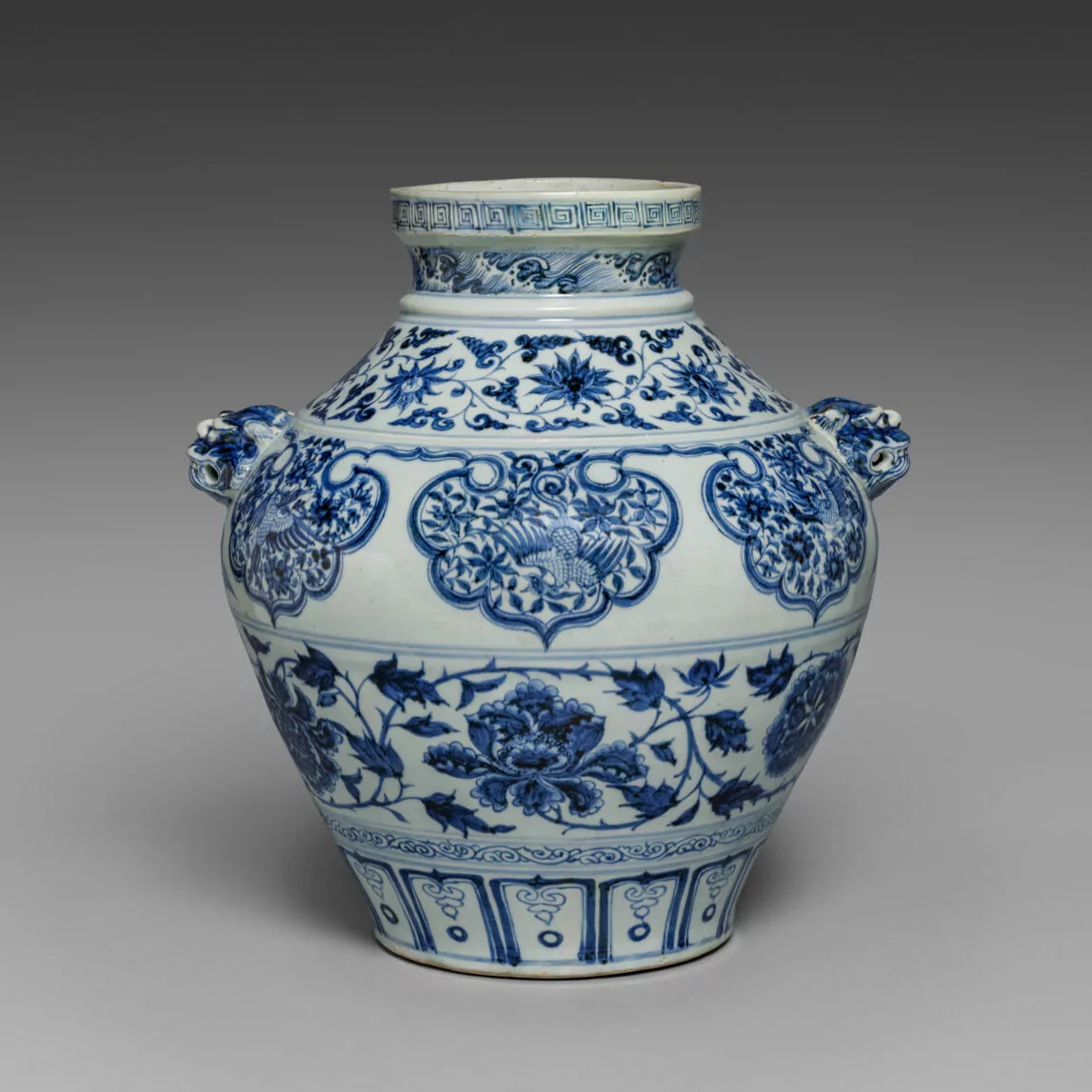
Online Chinese Art Valuations
Welcome to iValuations' dedicated historic Chinese art and antiques appraisal hub. Our international specialists combine decades of market expertise to provide accurate, certified valuations of your antiques & decorative arts from photographs.
Online valuations in over 50 categories of fine art, antiques & collectibles, with dedicated specialists in each field
What Is Your Chinese Art Worth?
The global market for Chinese art and antiquities is one of the most passionate, dynamic, and culturally significant sectors in the international art world. Driven by a powerful, multi-decade wave of repatriation, where mainland Chinese collectors and institutions actively buy back their dispersed cultural heritage, exceptional pieces routinely command extraordinary premiums at auction. Far beyond mere decorative objects, these items represent dynasties of philosophical thought, imperial patronage, and unparalleled craftsmanship. Because the market is exceptionally nuanced, shifting dramatically based on imperial marks, specific period styles, and historical provenance, navigating it requires an authoritative, specialist approach to unlock a piece's true international value.
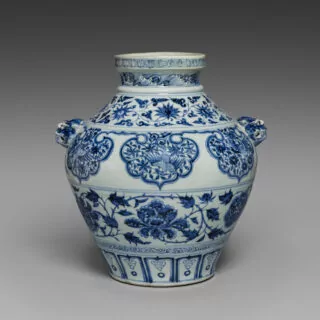
Our oriental art specialists provide highly precise, market reflective valuations across the entire, expansive spectrum of Chinese art. While we regularly appraise a diverse array of cultural items, including imperial textiles, classical scroll paintings, intricately carved jade seals, bamboo brush pots, and bronzes, antique Chinese ceramics and fine porcelain remain the bedrock of the market. Whether you possess an early earthenware tomb figure, a vibrant blue and white porcelain vessel from the Ming or Qing dynasties, an exquisite monochrome glaze piece, or a finely decorated Famille Rose vase, our team conducts a thorough, expert review. We meticulously cross-reference your item with international auction databases, historical design archives, and our deep institutional knowledge to determine its definitive fair market value and insurance value.
Establishing the monetary worth of Chinese art requires a forensic, component-by-component physical and historical analysis. In a field heavily complicated by centuries of reverent later copies, as well as highly sophisticated modern counterfeits, authentication balances technical science with deep stylistic expertise. Our specialists look closely for correct material composition, identifying the unique firing characteristics of specific historic kilns, examining potting techniques, and studying the natural wear and oxidation patterns that only develop over centuries of survival. From analyzing the precision of a handwritten imperial reign mark to verifying the provenance and age of a collection, our exhaustive approach ensures you receive an appraisal report you can completely trust for insurance, estate planning, or potential sale.
How to Submit Your Chinese Art for Valuation
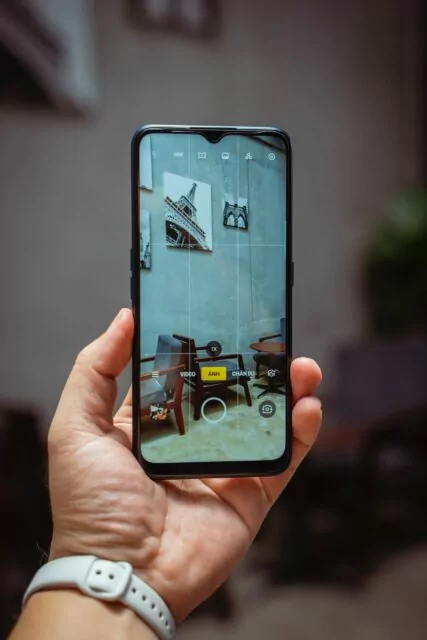
Upload photos of your item

Our experts will appraise your item

Receive a valuation report
1. Take Clear Photographs:
What Our Specialist Looks For When Valuing Chinese Art
Marks & Workshop Attribution: Does the piece bear an underglaze blue, incised, or enameled imperial reign mark (such as Qianlong or Kangxi)? Is it an authentic mark of the period, a reverent later apocryphal mark, or attributed to a specific provincial kiln or master workshop?
Medium & Technique: Is the piece modeled from fine kaolin clay porcelain, heavy bronze, imperial jade, or intricately carved bamboo? What decorative techniques were utilized, such as underglaze blue painting, cloisonné enameling, or hand-woven silk embroidery?
Size: What are the exact dimensions, weight, and physical presence of the object? Does a vase or bronze vessel possess a commanding, monumental scale that provides immense 'display power' for international collectors, or is it a highly delicate, intimate scholar's object?
Condition: Are there structural condition issues such as hairline cracks, rim chips, or old staple repairs? Does the piece show honest signs of historical wear, base wear, or glaze degradation, or are there hidden signs of modern restoration?
Rarity: Is the subject matter, color palette, or decorative motif highly desirable to modern collectors (e.g., imperial five-clawed dragons, auspicious bats, or rare monochrome glazes)? Does the piece stem from a sought after high point in Chinese art history, such as the early Ming or high Qing dynasties?
Provenance & Legality: Can the object be traced to an old, established Western collection or an important mid 20th century estate? Does it retain historical dealer labels, auction tags, or documentation that verifies its ownership history and complies with international cultural heritage regulations?
Frequently Asked Questions About Chinese Art Valuations
Ready to Discover the Value of your Chinese Art?
Expert written valuations with pricing tailored to the size of your collection.
In addition to purchasing a single valuation we also offer a system of allowing you to buy valuations in batches. This affords you a discounted rate, meaning the more valuations you buy the less you pay for an individual valuation.
After purchasing a valuation pack you will be emailed a code with which you can redeem your valuations at your convenience.
For more information on how iValuations works, please see our FAQ page.
-
Start Valuation
$16.00Start Your Valuation This product has multiple variants. The options may be chosen on the product page -
3 Valuations
$45.00Buy NowSave R30Save $3Save £6 -
5 Valuations
$70.00Buy NowSave R75Save $10Save £20 -
10 Valuations
$135.00Buy NowSave R250Save $25Save £55 -
50 Valuations
$630.00Buy NowSave R1750Save $170Save £350
Recommended Resources
Insurance Validity: Will Insurance Companies Accept Online Valuations?
The Update Process: How an Online Valuation is Done: A Step-by-Step Guide
Market Fluctuations: Understanding Fair Market vs. Insurance Replacement Value
Professional Standards: Why You Should Pay for a Professional Art, Antiques, or Collectables Valuation
Expert Insight: Understanding Provenance: How an Item’s History and Ownership Can Impact Its Value