
Online Islamic, Indian & Middle Eastern Art Valuations
Welcome to iValuations' dedicated Islamic, Indian & Middle Eastern art and antiques appraisal hub. Our international specialists combine decades of market expertise to provide accurate, certified valuations of your antiques & decorative arts from photographs.
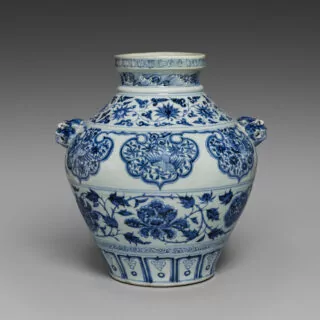
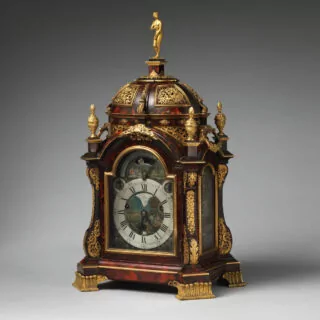
Online valuations in over 50 categories of fine art, antiques & collectibles, with dedicated specialists in each field
What Is Your Islamic, Indian or Middle Eastern Art Worth?
The international market for Islamic, Indian, and Middle Eastern art spans over a millennium of rich cultural history, bridging vast empires from Moorish Spain to Mughal India. Today, this sector is dynamic, global network of institutional museums, private foundations, and passionate collectors seeking to preserve and celebrate these profound artistic legacies. Unlike Western art traditions, which often prioritize individual artist signatures, art from these regions celebrates master craftsmanship, intricate geometric harmony, complex calligraphic poetry, and deep spiritual devotion. Because these objects often represent specialized, courtly traditions, ranging from imperial workshops to nomadic tribal weavers, the market is exceptionally nuanced, with values shifting dramatically based on regional aesthetics, dynastic periods, and historical provenance.
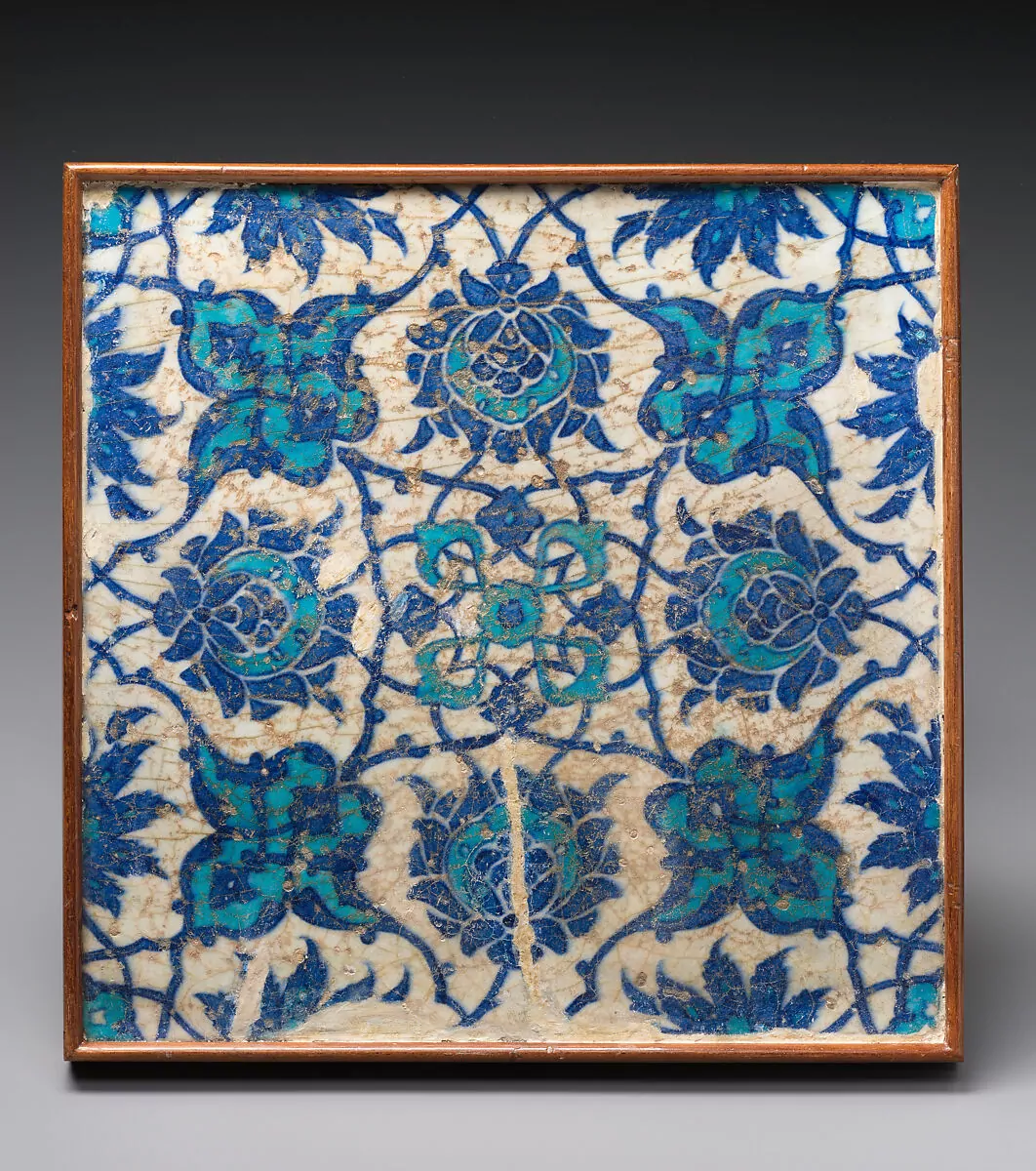
Our international specialists offer expert, market reflective appraisals across the full, diverse spectrum of Middle Eastern and Asian artiques. While we regularly evaluate a wide range of rare cultural items, including early calligraphic Qur'an leaves, Iznik pottery, classical Indian miniature paintings, illuminated manuscripts, and historic Persian metalwork, fine textiles, antique carpets, and rare ceremonial weaponry remain energetic sectors of the global market. Whether you possess an inlaid Damascus steel blade, an intricate Mughal jade carving, a vibrant glazed ceramic tile, or a finely woven silk rug, our team conducts a meticulous review. We cross-reference each piece with global auction results, museum archives, academic records, and our deep institutional knowledge to determine its definitive fair market value.
Determining the monetary worth of Islamic, Indian, or Middle Eastern art requires a specialized, multi-layered approach to supplied digital material and stylistic analysis. In a market where early decorative styles have been revived or copied across subsequent centuries, our specialists utilize your high-resolution photographs to analyze visible technical details. We closely examine the surface characteristics of the item, identifying the authentic wear and age patina on ancient bronzes, analyzing the visible weave density and natural dye degradation of textiles, and scrutinizing the script style, page layout, and pigment conditions in classical miniature paintings. From deciphering an elegant Arabic script or Persian inscription captured in your close-up photos to assessing the historical collection labels that may be attached to a piece, our exhaustive digital valuation process ensures you receive an accurate, authoritative appraisal report you can fully rely on for insurance, division of estates, or prospective sale.
How to Submit Your Islamic, Indian or Middle Eastern Art for Valuation
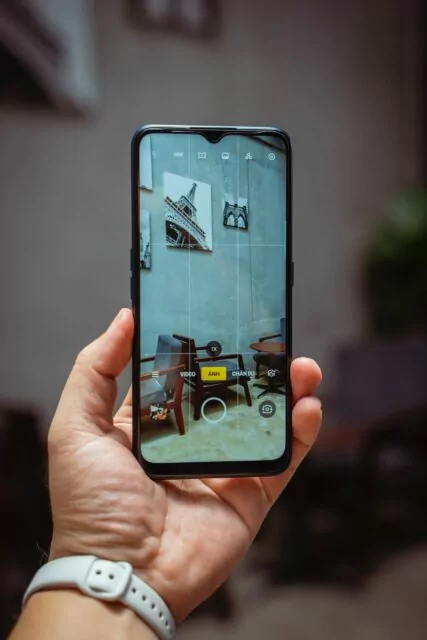
Upload photos of your item

Our experts will appraise your item
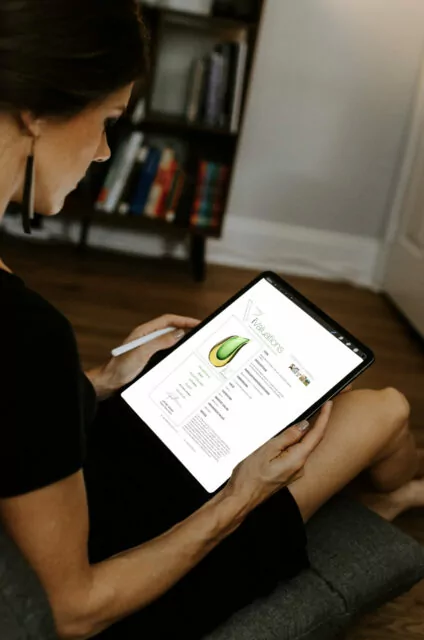
Receive a valuation report
1. Take Clear Photographs:
What Our Specialist Looks For When Valuing Islamic, Indian & Middle Eastern Art
Dynastic Period & Workshop Attribution: Does the item feature a royal cipher (tughra), a workshop stamp, or a known signature? Can the style be attributed to a specific imperial court, regional school, or dynastic era, such as Safavid Persia, Ottoman Turkey, or Mughal India?
Medium & Pigments: What materials are visible in the photographs? Is it molded from stonepaste ceramic, cast in heavy alloyed metalwork, or woven from fine silk? For manuscripts and miniature paintings, does the image show the use of precious gold leaf, lapis lazuli pigments, or traditional handmade rag paper?
Size, Presence & Proportions: What are the exact dimensions and physical scale of the object? Does a large Iznik charger or an ornate ceremonial shield possess a commanding presence for collectors, or is it an intricate, small scale manuscript page intended for close study?
Condition: Are there clear signs of historical wear, such as honest patina on bronze, enamel loss on ceramics, or fraying on antique textiles? Our digital review carefully checks for structural damage like cracks, tears, or fading, as well as signs of later over-painting or restoration.
Subject Matter: What the calligraphic script? (early Kufic or elegant Nasta'liq, for example)? Is the decorative iconography sought after, such as complex Islamic geometric patterns, courtly hunting scenes, or intricate floral arabesques that can elevate its market value?
Provenance: Can the object be traced to an old, established collection, a mid-20th century estate, or an historic European auction? Do your photographs show any old dealer labels, collection numbers, or import/export stickers on the base or backing that might help verify its journey through the global market?
Frequently Asked Questions About Islamic, Indian & Middle Eastern Art Valuations
Ready to Discover the Value of your Islamic, Indian or Middle Eastern Art?
Expert written valuations with pricing tailored to the size of your collection.
In addition to purchasing a single valuation we also offer a system of allowing you to buy valuations in batches. This affords you a discounted rate, meaning the more valuations you buy the less you pay for an individual valuation.
After purchasing a valuation pack you will be emailed a code with which you can redeem your valuations at your convenience.
For more information on how iValuations works, please see our FAQ page.
-
Start Valuation
$16.00Start Your Valuation This product has multiple variants. The options may be chosen on the product page -
3 Valuations
$45.00Buy NowSave R30Save $3Save £6 -
5 Valuations
$70.00Buy NowSave R75Save $10Save £20 -
10 Valuations
$135.00Buy NowSave R250Save $25Save £55 -
50 Valuations
$630.00Buy NowSave R1750Save $170Save £350
Recommended Resources
Insurance Validity: Will Insurance Companies Accept Online Valuations?
The Update Process: How an Online Valuation is Done: A Step-by-Step Guide
Market Fluctuations: Understanding Fair Market vs. Insurance Replacement Value
Professional Standards: Why You Should Pay for a Professional Art, Antiques, or Collectables Valuation
Expert Insight: Understanding Provenance: How an Item’s History and Ownership Can Impact Its Value