
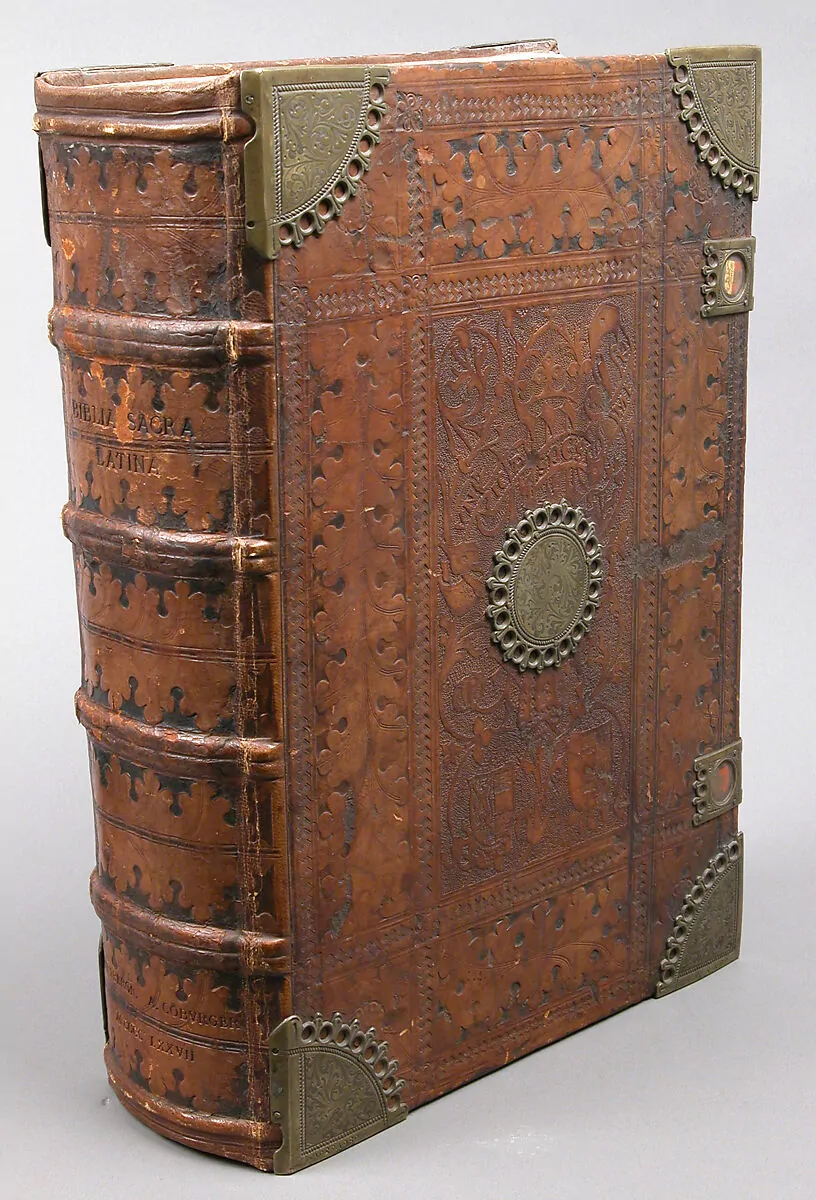
Online Rare & Antique Book Valuations
Welcome to iValuations' dedicated online appraisal hub for rare and antique books. Our international specialists regularly value a diverse array of printed history, including important modern first editions, private press publications, fine binding sets, early leather bound volumes, historic travel journals, and illustrated natural history books from photographs.

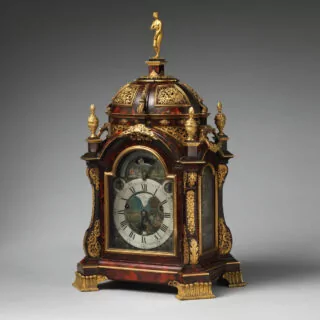
Online valuations in over 50 categories of fine art, antiques & collectibles, with dedicated specialists in each field
What Are Your Rare & Antique Books Worth?
The global market for rare and antique books is a sophisticated and dynamic collecting area where indicators like historical importance, literary impact, and physical condition combine to dictate value. It is fuelled by an international network of institutional libraries, passionate private collectors, and dedicated bibliophiles. Unlike many other categories of antiques where value is often tied more to aesthetics, the worth of a book is rooted in its cultural footprint and scarcity. A seemingly plain, unassuming cloth bound volume from the 20th century can command a premium that rivals a magnificent, centuries old theological folio simply due to its rarity and historical significance. As the market ranges from technical scientific treatises and early accounts of global exploration to celebrated works of literature, determining true market value requires a nuanced understanding of print history, scarcity, and current collector demand.
Our international specialists offer expert, market reflective appraisals across the full, diverse spectrum of printed history. While we regularly evaluate a wide range of literary treasures, including private press publications, early religious texts, and limited editions, modern first editions, historic travel and exploration journals, and illustrated natural history books, remain active, premium sectors of the market. Whether you possess a fine tooled leather bound set, a rare account of early global navigation, a collection of classic literature, or a pristine landmark novel from a celebrated 20th century author, our team conducts a meticulous review. We cross-reference each submission with international auction results, specialised dealer catalogs, rare book databases, and our deep institutional knowledge to determine its definitive fair market and insurance value.
Determining the proper worth of a book requires a multi-layered approach to appraisal that goes beyond just the date printed on the title page. In the world of antiquarian books, the smallest physical variations can mean a difference of thousands in value. Our specialists utilise your good resolution photographs to perform a detailed digital report. We scrutinise vital details, such as identifying specific indicators of a true first edition (such as a known typographical error on a specific page), evaluating the condition and authenticity of a dust jacket, assessing the age and wear of a contemporary leather binding, and inspecting any signatures or ownership inscriptions. From verifying the presence of all original engraved plates to identifying subtle signs of professional restoration, our exhaustive online valuation process ensures you receive an accurate and authoritative appraisal report for insurance, estate planning, or prospective sale.
How to Submit Your Rare & Antique Books for Valuation

Upload photos of your item

Our experts will appraise your item
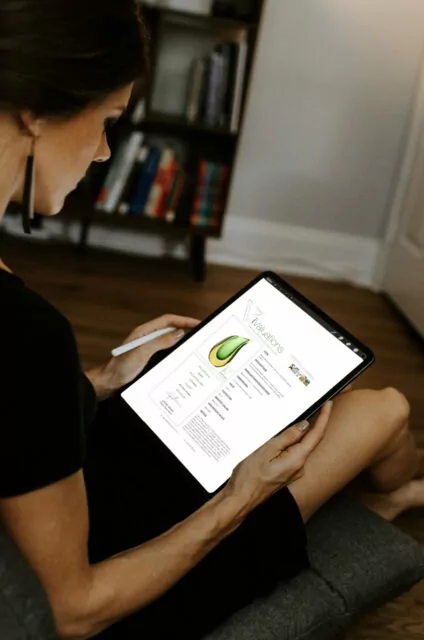
Receive a valuation report
1. Take Clear Photographs:
What Our Specialist Looks For When Valuing Rare & Antique Books
Frequently Asked Questions About Rare & Antique Book Valuations
Ready to Discover the Value of your Rare & Antique Books?
Expert written valuations with pricing tailored to the size of your collection.
In addition to purchasing a single valuation we also offer a system of allowing you to buy valuations in batches. This affords you a discounted rate, meaning the more valuations you buy the less you pay for an individual valuation.
After purchasing a valuation pack you will be emailed a code with which you can redeem your valuations at your convenience.
For more information on how iValuations works, please see our FAQ page.
-
Start Valuation
$16.00Start Your Valuation This product has multiple variants. The options may be chosen on the product page -
3 Valuations
$45.00Buy NowSave R30Save $3Save £6 -
5 Valuations
$70.00Buy NowSave R75Save $10Save £20 -
10 Valuations
$135.00Buy NowSave R250Save $25Save £55 -
50 Valuations
$630.00Buy NowSave R1750Save $170Save £350
Recommended Resources
Insurance Validity: Will Insurance Companies Accept Online Valuations?
The Update Process: How an Online Valuation is Done: A Step-by-Step Guide
Market Fluctuations: Understanding Fair Market vs. Insurance Replacement Value
Professional Standards: Why You Should Pay for a Professional Art, Antiques, or Collectables Valuation
Expert Insight: Understanding Provenance: How an Item’s History and Ownership Can Impact Its Value