
What Is Your Collectible Worth? The Key Valuation Types You Should Know
Valuation is a fundamental part of the art, antiques, and collectibles world. Whether you’re a seasoned collector, an heir to a family estate, or simply someone with a few intriguing items tucked away, understanding what your possessions are worth, and why, is crucial. However, “value” is not a singular concept. Depending on the purpose of a valuation, the same item can yield vastly different figures.
In a previous article, we introduced the three most common types of value: selling value, fair market value, and insurance (replacement) value,. In this article, we’ll go further, exploring the broader landscape of valuation types, clarifying the contexts in which each is used, and why it’s essential to match the right kind of valuation with the right need.
Photo credit: Metropolitan Museum of Art. Public Domain.
The Core Valuation Types
1. Selling Value
Definition: This is the minimum fair price at which an item can be sold in an environment like an auction, for example. It is typically confidential and agreed upon amount between the consignor and the auction house.
Use Cases:
- Selling at auction or on public platforms
- Establishing a baseline value for items that is realistic
- Useful for less sought after items
Characteristics:
- Strategically set to attract buyers, while still protecting the seller
- Normally lower than fair market value to encourage interest
Example: A piece of Moorcroft pottery may have a fair market value of $2,000, but an auction reserve of $1,200 to ensure it garners attention and competitive bids.

Photo credit: Metropolitan Museum of Art. Public Domain.
2. Fair Market Value (FMV)
Definition: Fair Market Value is the price that an item would sell for on the open market between a willing buyer and a willing seller, both of whom are knowledgeable, not under duress, and acting in their own best interest.
Use Cases:
- Probate and estate planning
- Divorce settlements
- Charitable donations (for tax purposes)
- Capital gains tax reporting
Characteristics:
- Based on comparable sales
- Considers the item’s condition, provenance, and market trends
- Typically lower than retail or insurance value
Example: If a vintage Rolex Datejust watch is commonly sold at auction for $3,000-$4,000 in similar condition, the FMV would fall within that range, even if a luxury watch dealer lists it at $6,000.
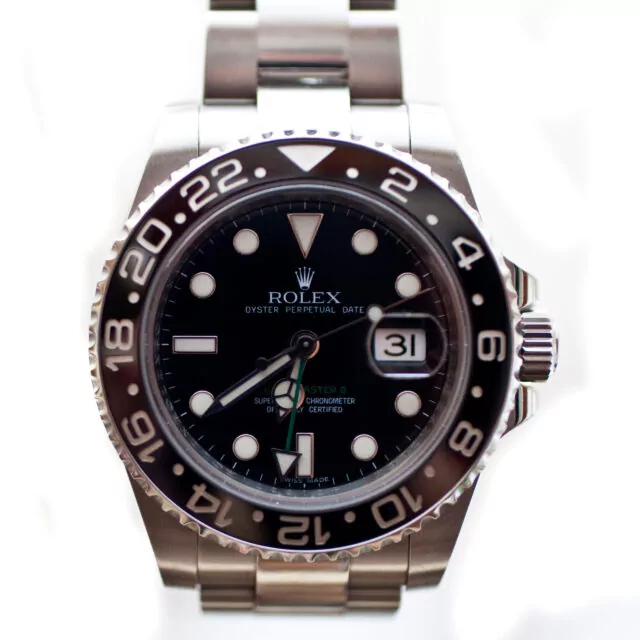
Photo credit: Håkan Dahlström. This image is licensed under the Creative Commons Attribution 2.0 Generic license
3. Insurance (Replacement) Value
Definition: Insurance value, often referred to as replacement value, is the cost to replace an item with one of like kind and quality, typically in the retail market.
Use Cases:
- Insuring valuable items for loss, theft, or damage
- High-net-worth home contents policies
- Museum and gallery collections
Characteristics:
- Typically higher than fair market value
- Reflects retail prices, not auction prices
- Assumes new or near-identical replacement
Example: That same Rolex Datejust might need to be insured for $6,000–$7,000 if that’s what it would cost to purchase an equivalent one from a reputable dealer.
Photo credit: Metropolitan Museum of Art. Public Domain.
Additional Valuation Types
4. Retail Value
Definition: Retail value is the full price a consumer would expect to pay at a gallery, antique store, or dealer showroom. It can be similar to an Insurance Value, however depending on the retail sphere it is often not appropriate for an Insurance Value as values displayed can be unrealistic.
Use Cases:
- Appraisals for selling in a retail setting
- Consignment planning
- Comparative shopping
Characteristics:
- Includes dealer markup, handling, restoration, and warranty
- May vary widely depending on location and seller
- Not appropriate for legal or insurance documentation
Example: A 19th-century mahogany sideboard might be priced at $3,500 in a high-end antique shop, even though its FMV is $1,800 and replacement cost is $2,800.
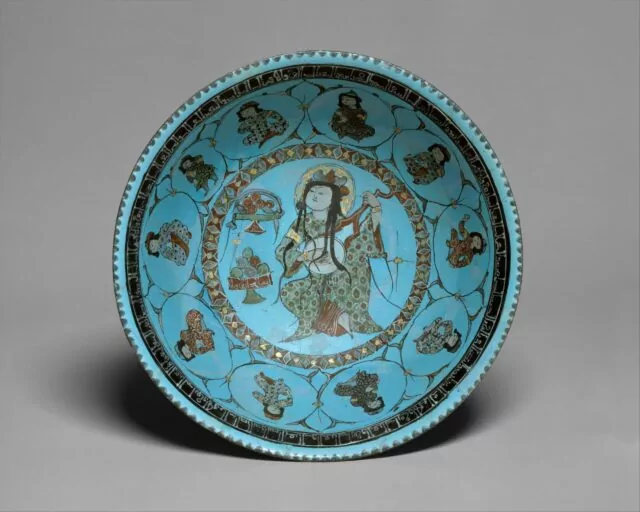
Photo credit: Metropolitan Museum of Art. Public Domain.
Which Type of Value Do You Actually Need?
Whether you require a high retail replacement figure for insurance protection or a realistic selling value for an upcoming sale, our specialists can calculate the exact definition of value required for your specific needs.
Start Valuation
5. Liquidation Value
Definition: Liquidation value refers to the estimated amount that could be obtained in a forced or time-constrained sale, such as during bankruptcy or urgent downsizing.
Use Cases:
- Business closures
- Estate clearance
- Divorce and debt settlements
Characteristics:
- Typically the lowest valuation
- May ignore typical market behavior due to urgency
Example: A Georgian chest of drawers worth $2,500 at fair market might fetch just $800 in a quick estate clearance sale.

Photo credit: Metropolitan Museum of Art. Public Domain.
6. Wholesale or Trade Value
Definition: This is the price that a dealer or auction house would pay to acquire an item for resale.
Use Cases:
- Trade sales
- Consignment offers
- Inventory management
Characteristics:
- Often 30%-60% of retail value
- Reflects dealer risk, restoration, storage, and selling costs
Example: A 1920s Art Deco brooch might retail at $1,000 but be purchased by a dealer at $500 for resale.
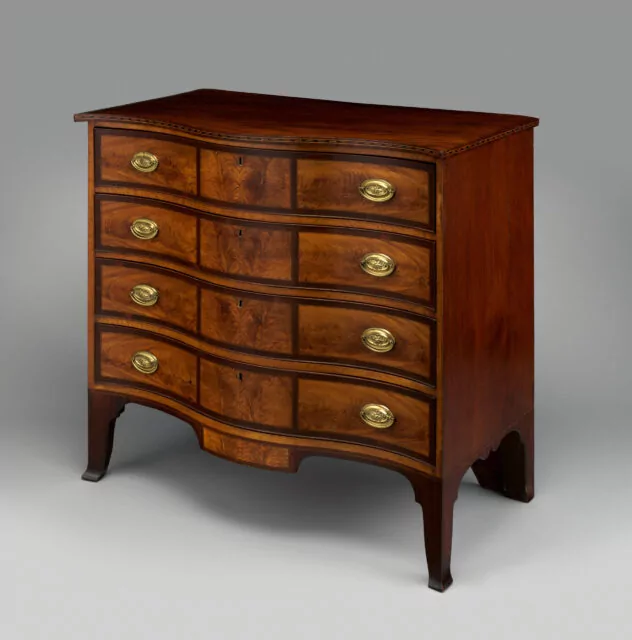
Photo credit: Metropolitan Museum of Art. Public Domain.
7. Reproduction or Salvage Value
Definition: This refers to the cost of reproducing an item (often used in insurance claims) or the residual value of damaged items (salvage).
Use Cases:
- Insurance claims
- Disaster recovery
- Museum documentation
Characteristics:
- Used when the original item cannot be replaced exactly
- Often part of an insurance loss adjustment
Example: A burned but partly intact 18th-century oil painting might have a salvage value of $300, despite a full insurance value of $10,000.

Photo credit: The Cleveland Museum of Art. Public Domain.
Why Valuation Context Matters
Using the wrong type of valuation for the wrong purpose can lead to costly misunderstandings. A common mistake is submitting an insurance valuation as evidence in a probate case. The high replacement figure may lead to excessive inheritance tax liability. Conversely, under-insuring based on auction values could leave collectors short-changed after a loss.
Here’s how to align valuation type with the correct scenario:
| Purpose | Recommended Valuation Type |
| Selling at auction | Selling Value or Fair Market |
| Insuring a collection | Replacement (Insurance) Value |
| Estate or inheritance tax | Fair Market Value |
| Charitable donation | Fair Market Value (with comps) |
| Business inventory | Wholesale or Trade Value |
| Divorce settlement | Fair Market Value |
| Forced sale | Liquidation Value |
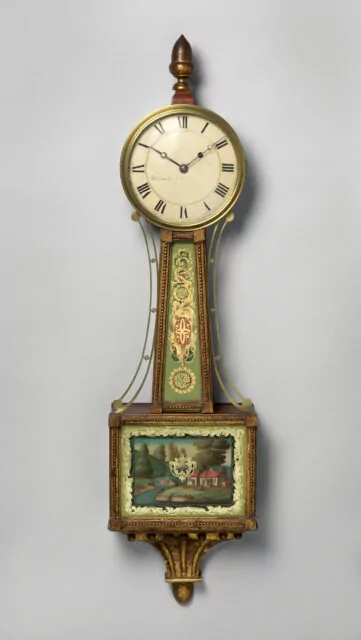
Photo credit: Metropolitan Museum of Art. Public Domain.
Documentation and Professional Standards
When obtaining a valuation, it’s important to work with a qualified appraiser who understands the distinction between valuation types. If required, a well-documented report should include:
- Purpose of the valuation
- Basis and type of value
- Methodology (comparables, market analysis, expert opinion)
- Images of the item(s)
- Market context and justification
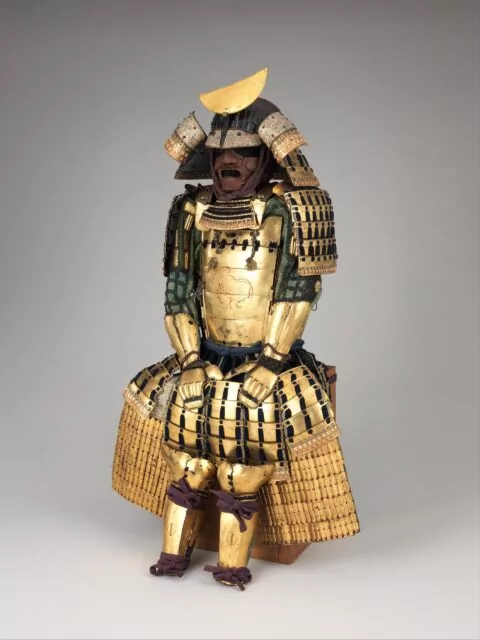
Photo credit: Metropolitan Museum of Art. Public Domain.
Market Shifts and Their Impact
The values assigned to objects can fluctuate over time due to:
- Changing market trends (e.g., mid-century modern furniture boom)
- Shifts in collector tastes (e.g., decline in demand for Victorian furniture)
- Macroeconomic conditions (e.g., inflation, recession, currency strength)
- Legal and tax changes (e.g., inheritance tax reforms)
It’s advisable to update valuations regularly, every 3 to 5 year, for insurance and estate planning purposes. For fast-moving markets like watches, jewellery, or contemporary art, more frequent reassessment is advised.

Photo credit: Metropolitan Museum of Art. Public Domain.
Final Thoughts
Valuation is not just about putting a price tag on an object. It’s a nuanced process that interprets how, where, and why something might be sold or replaced. Each type of valuation reflects a different reality: a snapshot of the market, a replacement cost, or a forced-sale outcome.
Understanding the distinctions between valuation types is essential for making informed decisions, whether you’re ensuring adequate insurance cover, settling an estate, or preparing to sell. By choosing the right valuation for the right purpose, you can protect your assets, comply with legal requirements, and maximise returns when the time comes to sell.
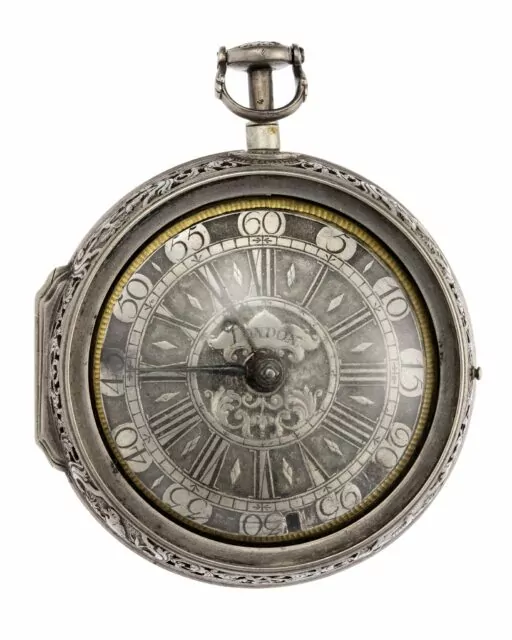
Photo credit: Hallwyl Museum / Helena Bonnevier / CC BY-SA
Here at iValuations you’ll find experts in over 50 categories of art, antiques and collectibles that are waiting to give impartial professional, affordable and in-depth valuation reports in a timeous and easy to use manner.
Recommended Resources
Insurance Acceptance: Will Insurance Companies Accept Online Valuations?
The Valuation Process: How an Online Valuation is Done: A Step-by-Step Guide
Professional Standards: Why You Should Pay for a Professional Art, Antiques, or Collectables Valuation
Frequency of Updates: How Often Should You Reappraise Your Art and Antiques?
Service Definitions: Valuation, Evaluation, or Appraisal—Which Service Do You Need?
Ready for a Professional Market Analysis?
To help our specialists pinpoint where your item fits into the current global market, please compile:
- ✓ Multi-Angle Visual Evidence: High-resolution photos showing the entire piece, its base or underside, and close-ups of any identifying signatures, maker marks, or serial stamps.
- ✓ An Objective Condition Review: Notes on any visible cracks, scratches, historical restoration, or missing components.
- ✓ Known Material Specs & Scale: Medium and physical measurements (height, width, or weight).
100% Secure Checkout. All appraisals are conducted by independent, certified specialists.
