
The Great Wealth Transfer: A 2026 Guide to What’s Valuable in Inherited Art, Antiques, and Collectibles
![Books and Scholars’ Accoutrements 책가도 [冊架圖]. Ten-panel folding screen; ink and color on silk by Yi Taek-gyun 이택균 (Korean, 1808–after 1883), Korea, Joseon dynasty (1392–1910).](https://ivaluations.net/wp-content/uploads/2026/04/the-cleveland-museum-of-art-wSoV-768x330.jpg "the-cleveland-museum-of-art-wSoV")
The concept of inheritance has undergone a significant transformation in the last decade or so, shifting from a perceived windfall of generational wealth into what many modern heirs now describe as a logistical and emotional crisis.
As we move through 2026, The Great Wealth Transfer is no longer a theoretical economic event; it is a daily reality for thousands of families standing in suburban homes filled with the accumulated history of the twentieth century.
The fundamental challenge of this era is a profound disconnect between the collecting habits of the Silent Generation and Baby Boomers, and the aesthetic, spatial, and financial realities of their Millennial and Gen Z descendants.
Appraising has shifted from merely identifying marks on the bottom of a porcelain plate, or studying the craquelure on the surface of an oil painting, to strategically navigating through this emotionally cluttered landscape of effects and sentiment.
Understanding what is actually valuable in today’s world requires an experienced cold-eyed assessment of global market liquidity and demands, a grasp of modern interior design trends and fashions, as well as an honest reckoning with the psychological weight of stuff.
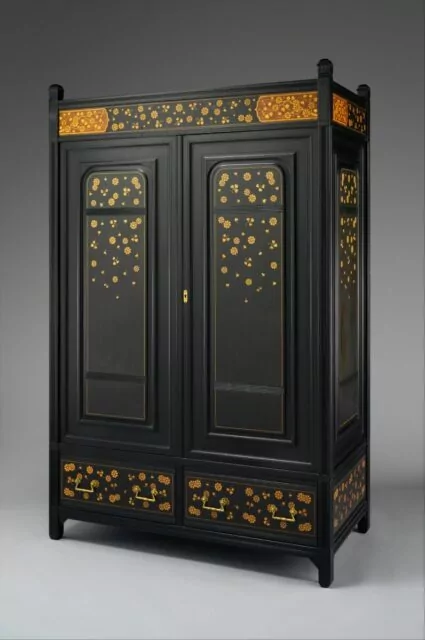
Photo credit: The Metropolitan Museum of Art
The Best, and the Rest
To begin this process, one must first dismantle the myth that age equals value. For much of the twentieth century, the antique market has operated on a linear progression where an item became more desirable simply by surviving a hundred years or more.
For sometime now, that thinking has been debunked. The modern market is ruthlessly selective, favoring items that possess either significant historical gravitas, exceptional craftsmanship, contemporary placement, or a notable statement of quality that fits into the modern, curated home.
This has created a value gap where the vast majority of traditional household antiques such as sturdy mahogany dining tables, glass-fronted display cabinets, or sets of floral dinnerware for example, have plummeted in value because they lack utility in a world characterized by smaller living spaces and a preference for minimalism, as well as shifting fashions and tastes.
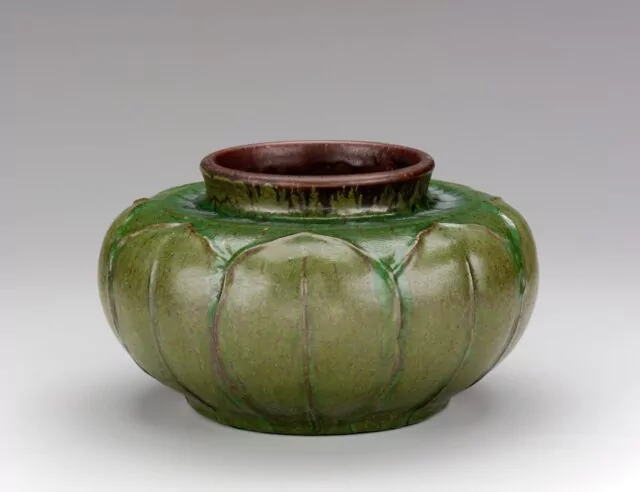
Photo credit: The Metropolitan Museum of Art
Portable Wealth and The Rise of High-Liquidity Assets
Identifying the asset core of an inherited estate is the first step in successful de-accessioning. In the current climate, high-value assets are those that possess global liquidity, meaning they can be sold as easily, or even better, in London or Hong Kong as they can in a local setting.
This category is dominated by items that function as portable wealth. Fine jewelry, particularly pieces from the Art Deco or mid-century periods with documented stones, and precious metals, remain a powerhouse of value.
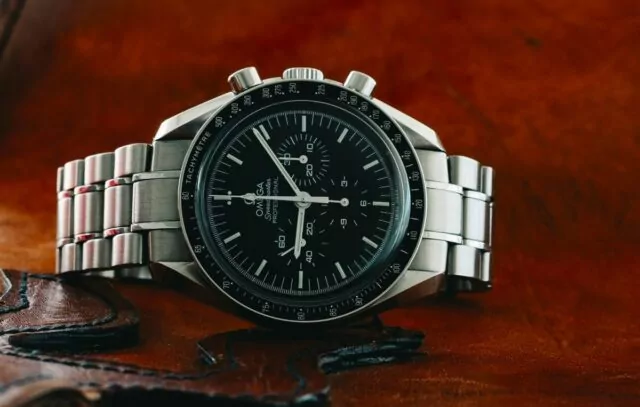
Similarly, the market for vintage horology has matured into a sophisticated investment class. A quality branded mechanical watch from the mid-twentieth century, especially one with complications like a chronograph or of precious metals, often carries way more market weight than a room full of heavy Victorian furniture.
This is because these items are small, their authenticity can be verified through technical analysis, and they resonate with a generation that values engineering and analog soul in a digital age.
Statement Pieces and Decorative Value
Beyond portable assets, the furniture that retains value in 2026 is that which can stand alone like a piece of sculpture. The complete suite is a relic of the past. Today’s buyers are looking for statement pieces.
For example, a single, well patinated 18th century chest-of-drawers or a 19th century ormolu mounted marble topped commode with beautiful marquetry inlays that can be placed in a room filled with modern textures.
These items are valued for their warmth and patina, qualities that mass produced modern furniture cannot replicate. However, for every one of these star pieces, there are usually twenty secondary items, side chairs, occasional tables, and wardrobes, that the market currently views as decorative grade.
These items are not worthless, but their value is often lower than the cost of professional restoration or longterm storage. Learning to distinguish between an investment item and a decorative household item is the primary psychological hurdle an heir must overcome.
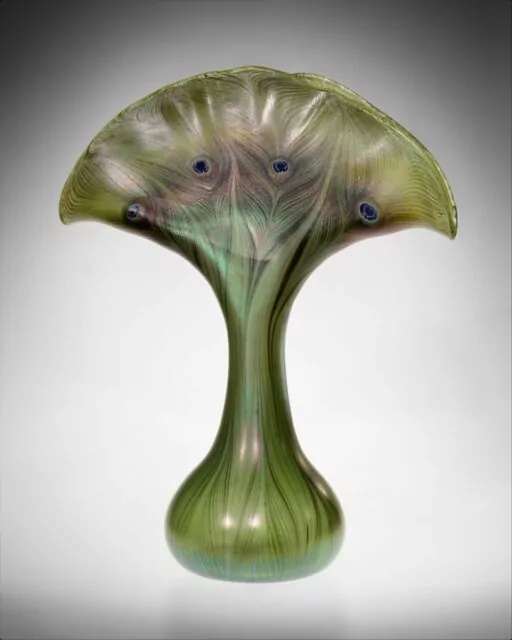
Photo credit: The Metropolitan Museum of Art
Utility vs. Rarity
Silver remains a fascinating study in the 2026 valuation landscape. While the scrap value of silver provides a comfortable and increasing floor for the value of an item, the collector value is increasingly concentrated in specific makers and periods.
Irish silver from the Georgian era, for example, continues to command a premium due to its rarity and quality. Conversely, the vast amount of utilitarian sterling silver and silver-plated items produced in the late nineteenth and early twentieth centuries is facing a crisis of interest.
Younger heirs often view silver-plate as a burden because it requires high maintenance and lacks the intrinsic metal value of sterling. Nor does it fit into their contemporary homes. In this context, letting go means recognizing that a cabinet full of EPNS (Electro-Plated Nickel Silver) is likely more valuable as a gift to a local charity shop or a young family starting out than as a financial asset to be held for a future bounce in the market that may never come.
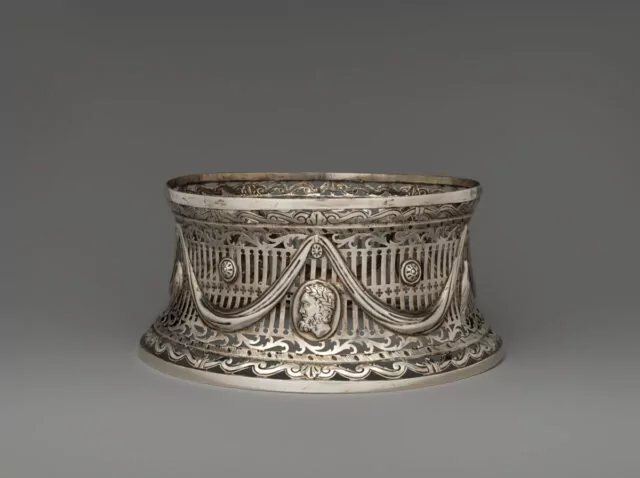
Photo credit: The Metropolitan Museum of Art
Navigating an Inherited Collection or Estate Plan?
Ensure equitable division, accurate tax documentation, and clear historical record. Our independent specialists provide certified appraisals optimised for estate and probate requirements.
Request an Estate Valuation
Provenance and Digital Onboarding
The rise of a digital record for high value items has become a non-negotiable factor in the valuation process of 2026. In simple terms, an item with a story is worth more than an item without one, but in the modern market, that story must be documented.
We are seeing a significant provenance premium where objects accompanied by original receipts, photographs of them in situ within the family home, or past appraisal documents sell for twenty to thirty percent more than anonymous equivalents.
This is because, in an era of increasingly sophisticated fakes, certainty is a commodity. For the heir, the most valuable work they can do is not cleaning the silver or polishing the wood, but digging through old filing cabinets for the paper trail.
This digital onboarding, the scanning of documents and linking them to high resolution images of the items is what transforms a thing into a documented asset.
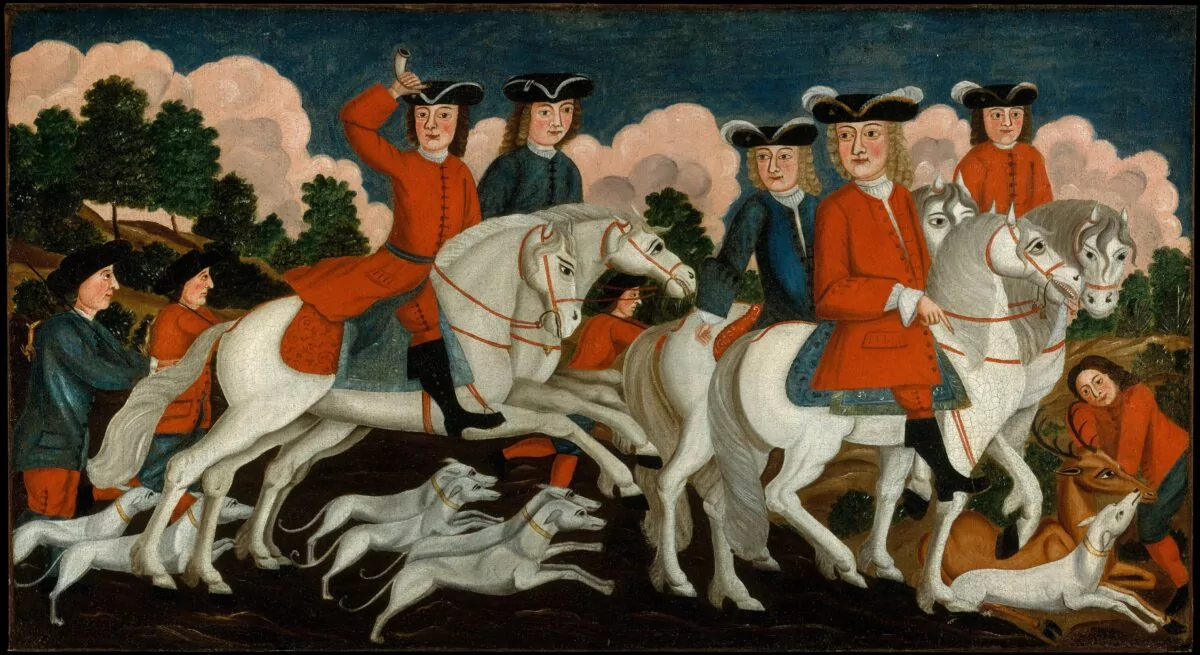
Photo credit: The Metropolitan Museum of Art
Navigating the Labyrinth of Sentiment
Psychologically, the process of clearing an estate is often stymied by the sentimental weight that comes with it. This is the phenomenon where we imbue physical objects with the essence of our departed loved ones. Selling a grandfather’s desk feels can feel like a betrayal of his memory.
However, part of an appraiser’s role is to help navigate this quagmire. To advise what is valued in the current market and what fits into modern lifestyles, as well as offer suggestions on the most efficient way to move an item on. No one wants to become a warehouse for the past, or end up pushing everything out of sight into costly storage. It is all too easy to become overwhelmed without proper help and guidance.
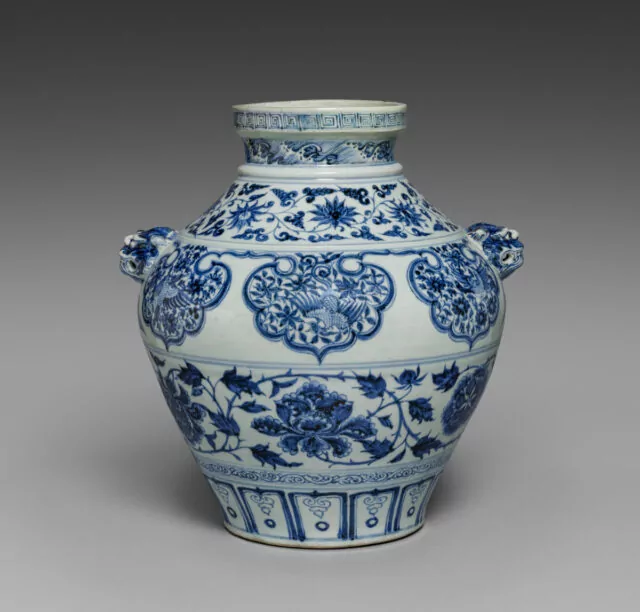
Photo credit: The Cleveland Museum of Art
The Sunk Cost Fallacy
The so-called sunk cost fallacy is another major barrier to effectively de-accessioning. Heirs often remember their parents speaking with pride about the investment they made in a particular painting or a piece of antique furniture decades ago.
It is painful to hear from a professional that an item purchased for a high price in 1990 is now worth a fraction of that amount. The 2026 market is driven by current aesthetics, not historical purchase prices. The rise of eclectic maximalismamong Gen Z has actually saved some categories such as bold, 19th century ceramics or mid century glass from obscurity, but other categories, like formal fine bone china dinner services, have struggled to find a foothold in a world that prioritizes dishwasher-safe convenience. Accepting the market truths of today, rather than clinging to the purchase truth of yesterday, is a key to moving forward.
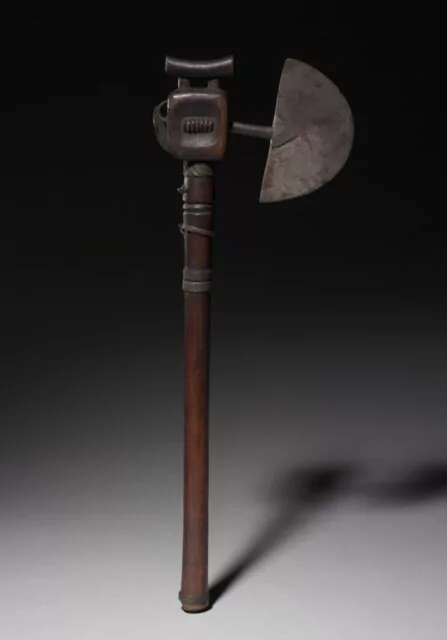
Photo credit: The Cleveland Museum of Art
The Green Premium: Antiques as Sustainable Luxury
Strategic de-accessioning also requires an understanding of the green premium. In 2026, sustainability is a massive driver of the secondary market. High quality antiques are, by definition, the ultimate sustainable purchase, they are carbon neutral, made of natural materials, and built to last centuries.
Marketing an inherited collection through the lens of circular luxury can often attract a younger buyer who would never consider themselves an antique collector but is deeply committed to sustainable living. By framing the sale of these items as a way to keep high quality craftsmanship in use rather than letting it rot in a storage unit, heirs can find a sense of purpose in the liquidation process.
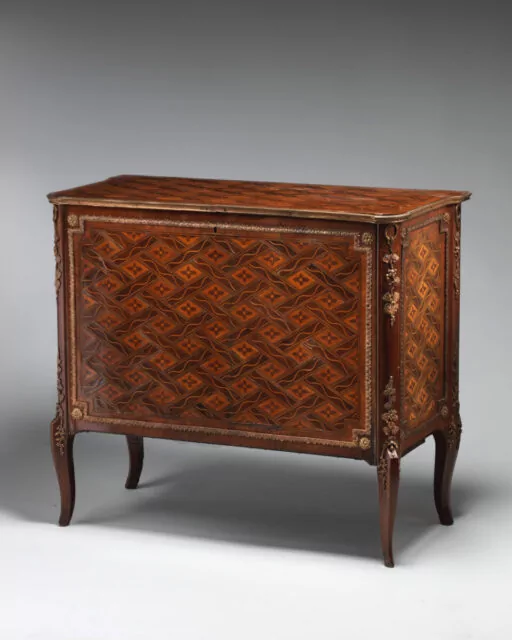
Christopher Fuhrlohg (Swedish, circa 1740-1792).
Photo credit: The Metropolitan Museum of Art
Exit Channels and Responsible Stewardship
The final stage of letting go involves choosing the right exit channels. The current landscape offers a diverse array of options, from high-end international auctions to local online marketplaces. The asset core should always be directed toward specialty auctions where global competition can drive prices above the estimate.
The decorative grade items are better suited for online platforms that cater to interior designers and home decorators who are just seeking for a look over pedigree. Finally, there is the category of items that have no real market value but still have utility. Donating these items is not a failure of the valuation process; it is a successful conclusion to the stewardship of the estate.
It ensures that the items continue to be useful, avoids the mounting costs of storage, and allows the heir to close the chapter with a clear conscience.
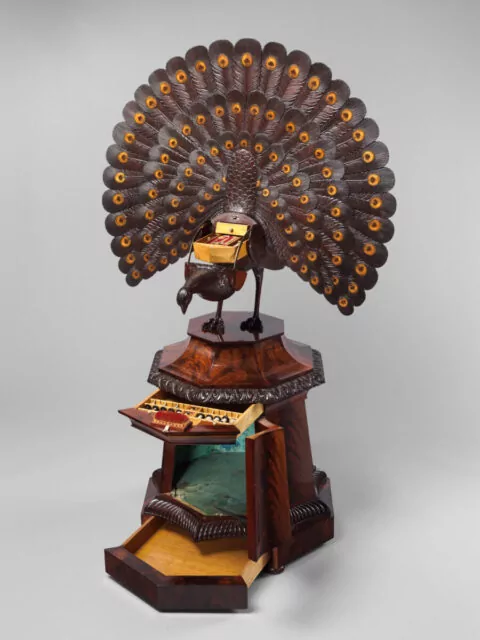
Photo credit: The Metropolitan Museum of Art
Claiming the Future from the Past
Navigating this Great Wealth Transfer of the 21st century requires a blend of experienced clinical market analysis and deep emotional intelligence. The objects our parents left behind are a testament to their lives, but they should not be a weight on ours.
By identifying the true anchors of value, the portable wealth, the statement pieces, the current commodities, as well as documented provenance, we can bravely release the rest into the circular economy, and honor the past without being buried by it.
The goal of iValuations is to provide the clarity needed to make these distinctions, transforming a house full of stuff into a strategic portfolio of assets and a manageable collection of memories. In today’s world, the most valuable thing an heir can possess is the freedom to choose what to keep and the wisdom to know what to let go.
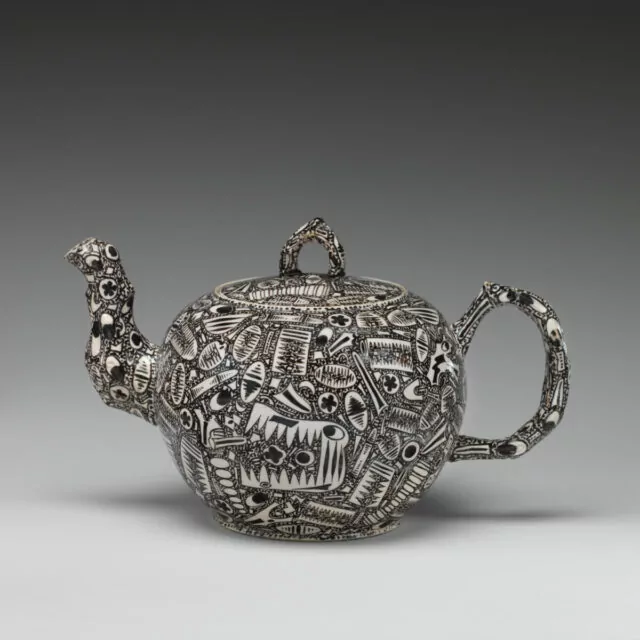
Photo credit: The Metropolitan Museum of Art
Here at iValuationsyou’ll find experts in over 50 categories of art, antiques and collectibles that are waiting to give impartial professional, affordable and in-depth valuation reports in a timeous and easy to use manner.
Recommended Resources
Insurance Validity: Will Insurance Companies Accept Online Valuations?
The Update Process: How an Online Valuation is Done: A Step-by-Step Guide
Market Fluctuations: Understanding Fair Market vs. Insurance Replacement Value
Professional Standards: Why You Should Pay for a Professional Art, Antiques, or Collectables Valuation
Expert Insight: The iValuations Guide to Expert Valuation for Art and Antiques
Ready to Organise and Value an Estate Collection?
To ensure a seamless, tax-compliant valuation of inherited assets, please try to compile:
- ✓ Comprehensive Identification Photos: Clear, well-lit images of the piece, highlighting identifying stamps, artist signatures, serial numbers, or maker marks.
- ✓ Dimensions & Condition: provision of physical dimensions, and any visible wear, past restoration or other crucial variables.
- ✓ Family Provenance & Records: Any surviving estate documents, historical purchase invoices, old insurance policies, or handwritten family notes that trace how and when the items were acquired.
100% Secure Checkout. All appraisals are conducted by independent, certified specialists.
